Dubai's half-year performance review, released this week by the Department of Municipality and Land Department, paints a picture of a metropolis managing unprecedented growth through granular data management. The numbers tell a story that goes beyond headline announcements about new infrastructure projects or residential developments.
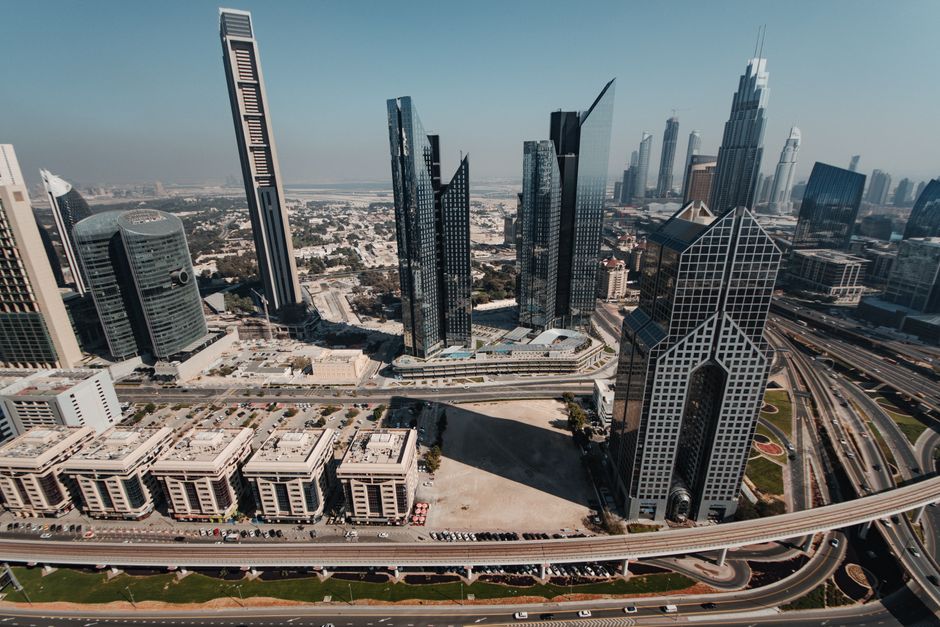
According to the latest quarterly report, Dubai's population across the seven emirates administered through local governance reached 3.92 million as of mid-2026—a 4.2 per cent increase year-on-year. More significantly, the data reveals population density variations that challenge planners. Downtown Dubai and the Marina cluster now exceed 8,500 residents per square kilometre, while emerging zones like Sobha Hartland and Arabian Ranches III remain below 2,000 per square kilometre.
The Roads and Transport Authority's latest transit statistics show 1.84 million daily Metro journeys across the Red and Green lines—up from 1.67 million in 2025. Yet bus ridership on inner-city routes serving Business Bay, DIFC, and Sheikh Zayed Road increased by only 1.8 per cent, suggesting uneven uptake of public transport in commercial districts. The authority's data indicates average journey times on the Sheikh Zayed Road corridor during peak hours have increased to 34 minutes, up from 28 minutes two years ago.
Building permits issued across Dubai's planning zones totalled 2,847 in the first half of 2026, representing a 12 per cent decline from the same period last year. Commercial permits fell most sharply—dropping 18 per cent—while residential permits remained relatively stable. The municipality attributes this to stricter environmental compliance reviews now mandatory for all projects over 50,000 square metres.
Water consumption data reveals another critical trend. Per capita daily usage stands at 550 litres per resident—significantly above the Emirates' 2030 sustainability target of 380 litres. Desalination plants currently operate at 87 per cent capacity, with peak summer demand projections suggesting potential capacity constraints by August.
Perhaps most revealing is the municipality's waste management breakdown: 847,000 tonnes of construction debris generated in the first six months—a 34 per cent increase—while municipal solid waste rose only 2.1 per cent. This asymmetry reflects the ongoing construction boom even as population growth moderates.
These granular figures, easily overlooked in policy announcements, reveal the actual mechanics of Dubai's governance challenges: managing density, balancing sustainability targets against current consumption patterns, and planning infrastructure for a city that continues to reshape itself year after year.
This article was compiled by AI from the sources linked above and screened before publishing. See our editorial standards.