Dubai's Housing Crossroads: Three Critical Decisions That Will Shape the Next Decade
As affordable units dwindle and the emirate's population surges, planners face pivotal choices on zoning, rental caps, and infrastructure investment.
As affordable units dwindle and the emirate's population surges, planners face pivotal choices on zoning, rental caps, and infrastructure investment.
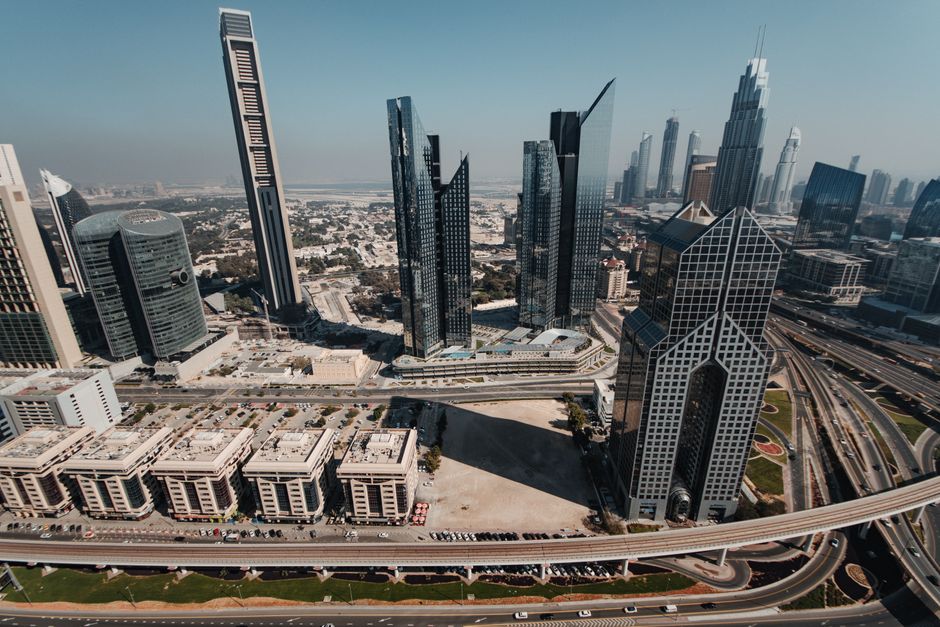
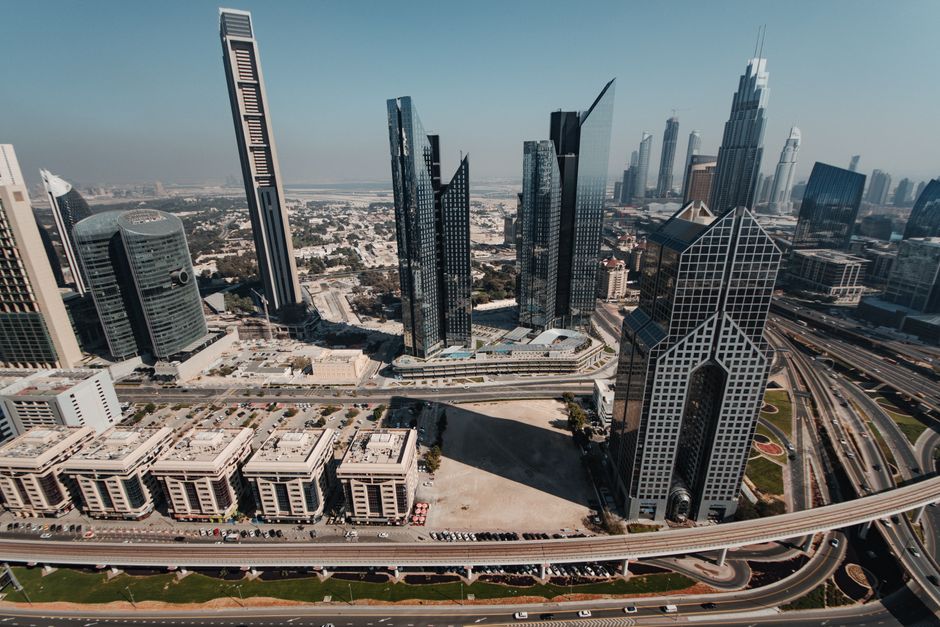
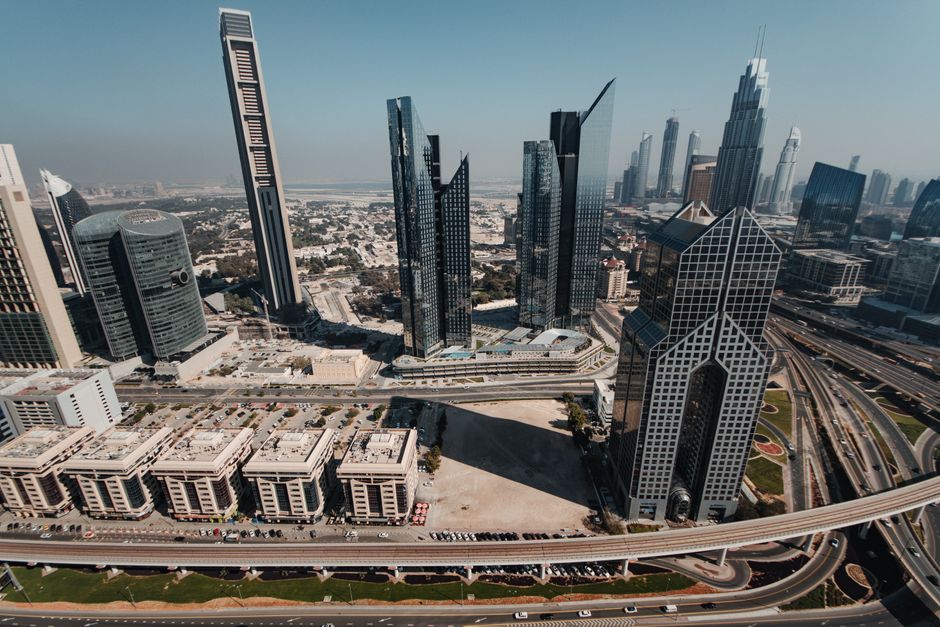
Dubai stands at a defining moment in its urban development story. With property prices across Business Bay and Downtown Dubai climbing steadily since 2024, and rental vacancy rates at their lowest in five years, the Real Estate Regulatory Agency and Dubai Municipality face three urgent decisions that will determine whether the city remains accessible or becomes increasingly fractured by wealth.
The first involves zoning expansion beyond current boundaries. The push to develop Al Marmoom and areas south of Jebel Ali has been mooted for months, yet planners remain cautious about sprawl. How aggressively will authorities greenlight new residential zones? Every month of delay locks existing residents into higher rents—studios in International City now average 35,000 AED annually, up 18 percent since 2023—while delaying relief for mid-income families already stretched thin.
Second is the contentious question of rental regulation. Dubai has long resisted controls, but pressure is mounting. The Rental Dispute Centre processed over 12,000 complaints last year, many involving disputes over 10-15 percent annual increases. Will the government impose caps similar to those in other emirates, or trust market forces? The answer will ripple through every neighbourhood from Deira to Downtown and affect both landlords and the millions of expatriates who call Dubai home.
Third is infrastructure synchronisation—arguably the most complex. New developments in areas like Sobah and the expansion zones are worthless without roads, metros, and schools. The Roads and Transport Authority's timeline for extending the Red Line southward remains unclear. Without coordinated planning, Dubai risks repeating the congestion chaos of 2015-2018, when residential projects outpaced transport capacity.
Officials have signalled a "measured approach," but measured means slow, and slow means continued affordability crises. At the UAE Cabinet level, there's recognition that demographic pressures—Dubai's population is projected to exceed 4 million by 2030—demand bolder action. Yet local developers favour controlled growth that protects property values, creating tension between housing supply and market stability.
The next 18 months will be decisive. Announcements about zoning amendments, rental policy tweaks, and infrastructure budgets are expected before year-end. How leadership navigates these choices will determine whether future Dubaians can still afford to live here, or whether the city becomes a gilded tower accessible only to the wealthy.
This article was compiled by AI from the sources linked above and screened before publishing. See our editorial standards.
How does this story make you feel?
Spread the word
About this article
Published by The Daily Dubai
Daily brief
Free, in your inbox before 7am. Weekdays.
More in News