Dubai's migrant workforce by the numbers: what 3.6 million residents reveal about the Emirates
New data on Dubai's foreign-born population shows how demographics, remittances, and labour patterns are reshaping the global city.
New data on Dubai's foreign-born population shows how demographics, remittances, and labour patterns are reshaping the global city.
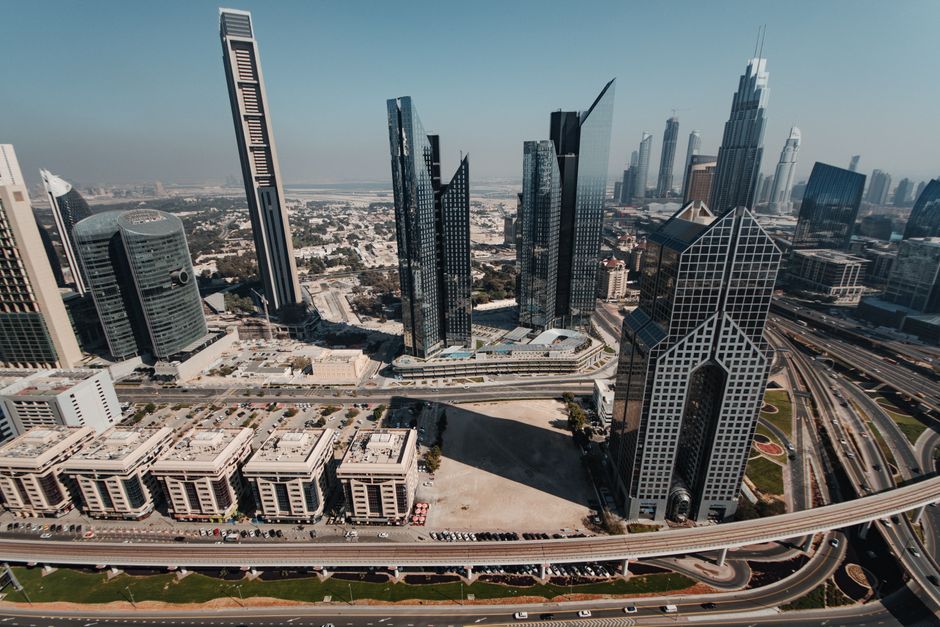
Dubai's population has swelled to 3.6 million, with expatriates comprising approximately 88 percent of residents—a figure that underscores the city's reliance on global mobility in ways few urban centres can match. These numbers tell a profound story about migration, economic opportunity, and the intricate networks that sustain one of the world's fastest-growing cities.
According to latest labour ministry data, the Indian subcontinent dominates Dubai's migrant demographics. Indian nationals account for roughly 30 percent of the expatriate population, followed by Pakistani (9 percent), Bangladeshi (7 percent), and Filipino (6 percent) communities. Collectively, South Asian workers comprise nearly half of Dubai's foreign-born residents, with the majority concentrated in construction, hospitality, and domestic service sectors across areas like Sonapur, Jebel Ali, and the sprawling labour accommodations near Mussafah.
The economic implications are staggering. Annual remittances sent from Dubai's migrant workers exceed $18 billion, with approximately 60 percent flowing to South Asia alone. A typical construction labourer earning 2,500 dirhams monthly—roughly $680—sends between 1,000 and 1,500 dirhams home, representing survival income for families across rural Maharashtra, Punjab, and rural Bangladesh. Middle-income expatriates, earning 8,000 to 15,000 dirhams monthly, remit larger portions, creating crucial lifelines for education and healthcare back home.
The hospitality sector employs an estimated 280,000 migrant workers, with hotel occupancy rates consistently exceeding 82 percent across properties from Downtown Dubai to Jumeirah Beach. Filipino domestic workers—numbering approximately 180,000—command median monthly salaries of 1,500 to 2,200 dirhams, yet face documented wage delays affecting up to 23 percent of the workforce annually, according to NGO reports.
However, demographic shifts signal emerging complexity. Between 2020 and 2024, the proportion of Arab expatriates grew by 12 percent, driven partly by remote work opportunities and regional economic uncertainty. Simultaneously, Western expatriate populations declined by 8 percent, reflecting rising costs—a three-bedroom villa in Emirates Hills now averages 250,000 dirhams monthly, pricing out many traditional Western migrants.
Labour ministry registrations show 410,000 new work permits issued in 2025 alone, yet unemployment among recent arrivals hovers at 4.2 percent, suggesting saturation in entry-level roles. Critically, visa sponsorship remains tied to employment—a structural reality affecting 2.8 million workers classified as dependent on their employers for legal status.
These statistics illuminate Dubai's transformation from trading post to global city, yet raise pressing questions about sustainability, equity, and the future composition of communities across Al Baraha, Business Bay, and beyond.
This article was compiled by AI from the sources linked above and screened before publishing. See our editorial standards.
How does this story make you feel?
Spread the word
About this article
Published by The Daily Dubai
Daily brief
Free, in your inbox before 7am. Weekdays.
More in News