Dubai's Housing Future: What Officials and Experts Are Saying About New Urban Planning Shift
Senior municipal leaders and urban strategists reveal their vision for balancing affordability, sustainability and growth across emerging neighbourhoods.
Senior municipal leaders and urban strategists reveal their vision for balancing affordability, sustainability and growth across emerging neighbourhoods.
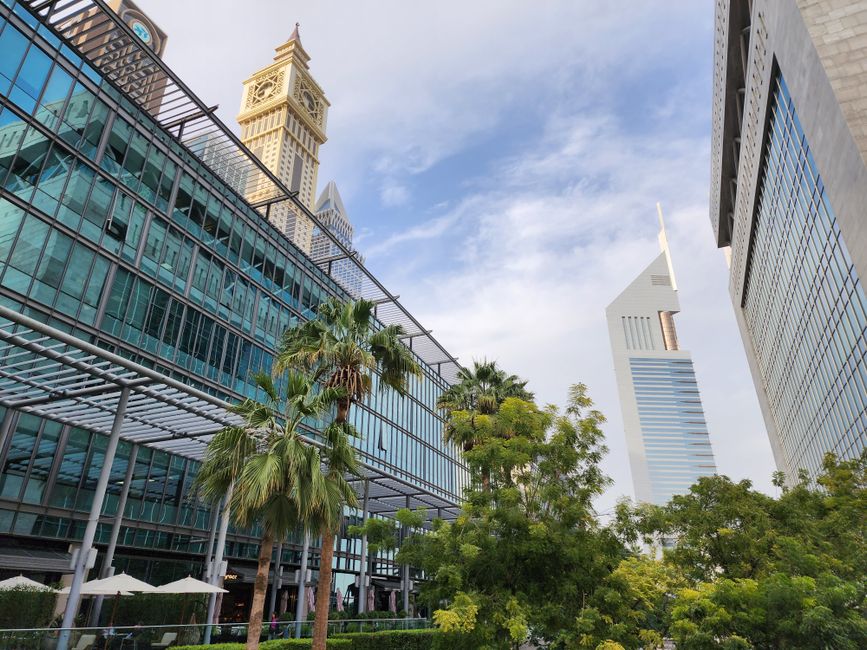
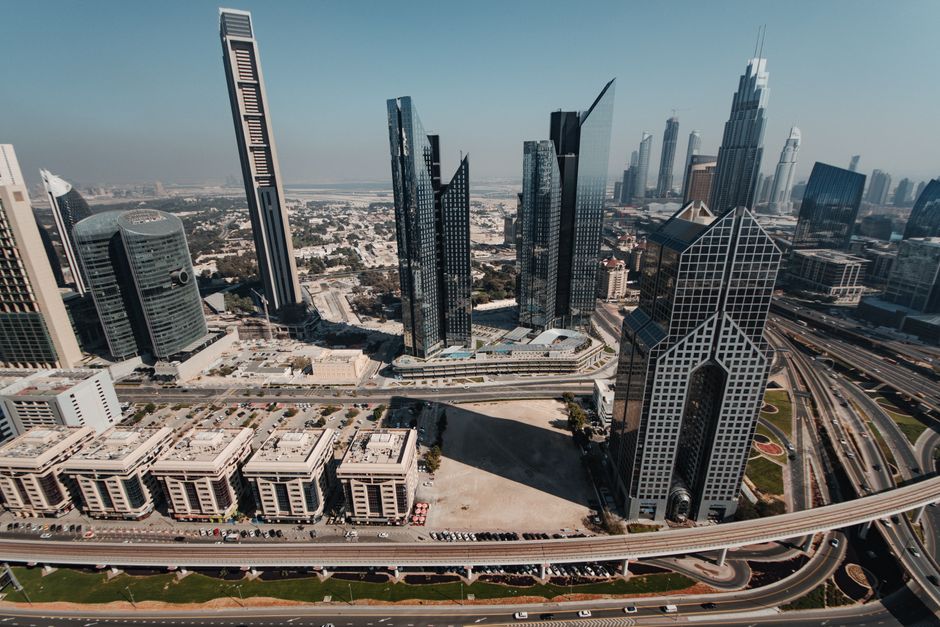
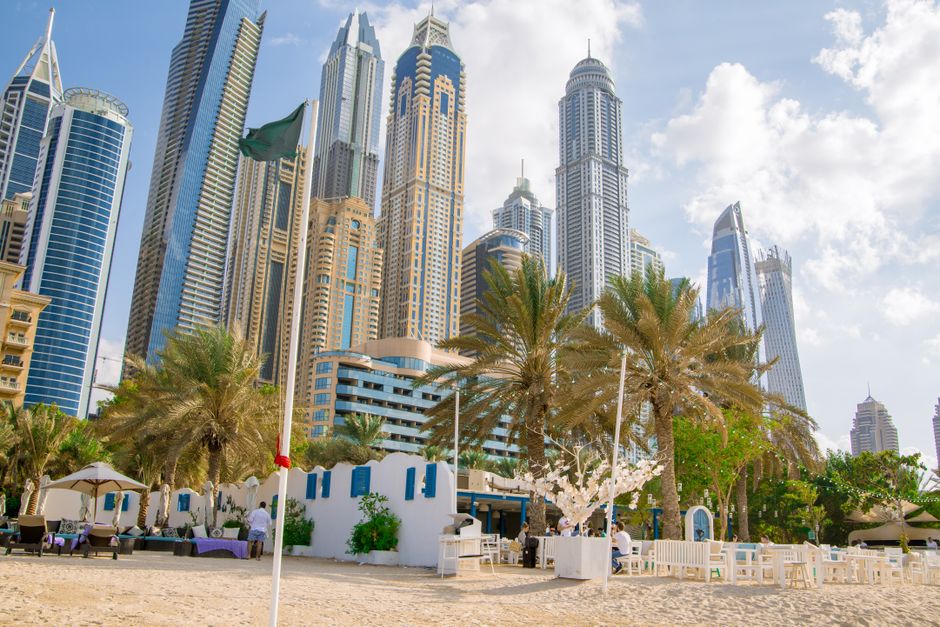
As Dubai's property market continues to attract global investors, city planners and housing officials are publicly signalling a significant reorientation in how the emirate approaches residential development—one that prioritises mixed-income communities and sustainable urban expansion.
Speaking at the recent Dubai Urban Planning Forum, representatives from the Dubai Municipality and the Real Estate Regulatory Agency outlined priorities that diverge from the luxury-focused trajectory that dominated the past decade. The emphasis, they indicated, will increasingly fall on mid-range residential zones in areas like Dubailand, Arabian Ranches 3, and emerging developments south of the Al Marmoom Desert Conservation Reserve.
"We are intentionally creating pathways for professionals, families, and young residents who form the backbone of our economy," said a spokesperson for Dubai's Department of Urban Planning during a public consultation held at the Dubai World Trade Centre last month. The remarks underscore growing recognition that housing affordability—or the lack thereof—poses genuine challenges for retention of skilled workforces across healthcare, education, and service sectors.
Current data reveals the median villa price in Arabian Ranches now exceeds AED 2.8 million, whilst apartment rents in Downtown Dubai average AED 4,500 monthly for a one-bedroom unit. These figures have prompted officials to explore incentive structures for developers willing to allocate 15-20 percent of units toward more accessible price points.
Experts from the Gulf Research Centre and the American University in Dubai's planning department have publicly endorsed the shift. "What we are witnessing is mature urban policy—recognition that sustainable cities require economic diversity," noted a senior academic observer during a recent media briefing. Sustainability commitments also feature prominently: new guidelines emphasise green building standards, improved public transport linkages via the planned extensions along Sheikh Zayed Road, and water conservation measures across all residential zones.
However, not all stakeholders view the recalibration uniformly. Private developers have raised questions about feasibility and profit margins, whilst some property investors worry that affordability mandates may dampen returns. These tensions remain unresolved as consultation periods extend through summer.
The regulatory agency has signalled that revised zoning permissions for areas like Jebel Ali and Nad Al Sheba will reflect the new priorities, with formal announcements expected by September. Municipal officials have also committed to enhanced transparency through quarterly public forums, scheduled to rotate between Sheikh Saeed Road offices and community venues across the emirates.
This article was compiled by AI from the sources linked above and screened before publishing. See our editorial standards.
How does this story make you feel?
Spread the word
About this article
Published by The Daily Dubai
Daily brief
Free, in your inbox before 7am. Weekdays.
More in News