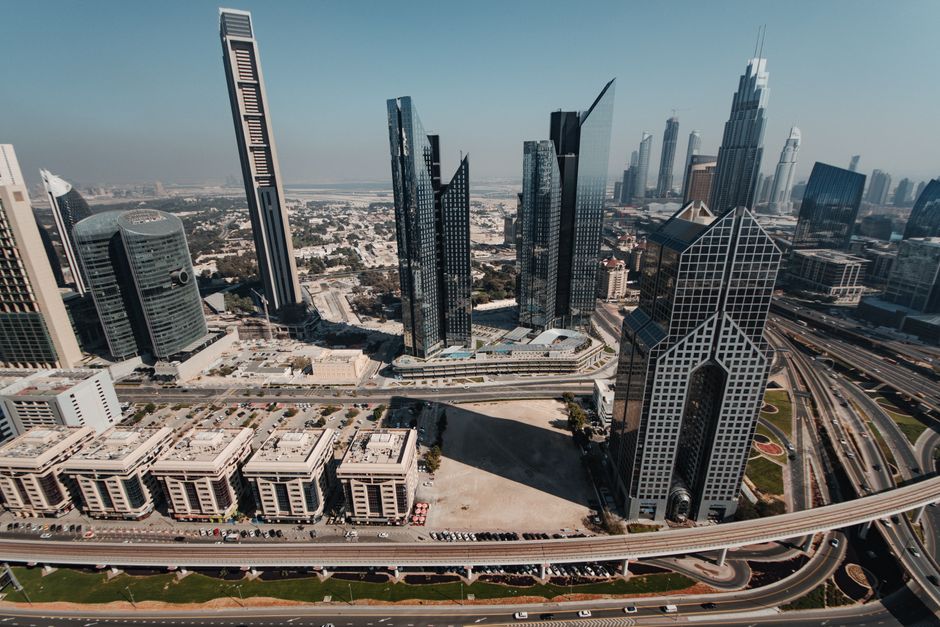
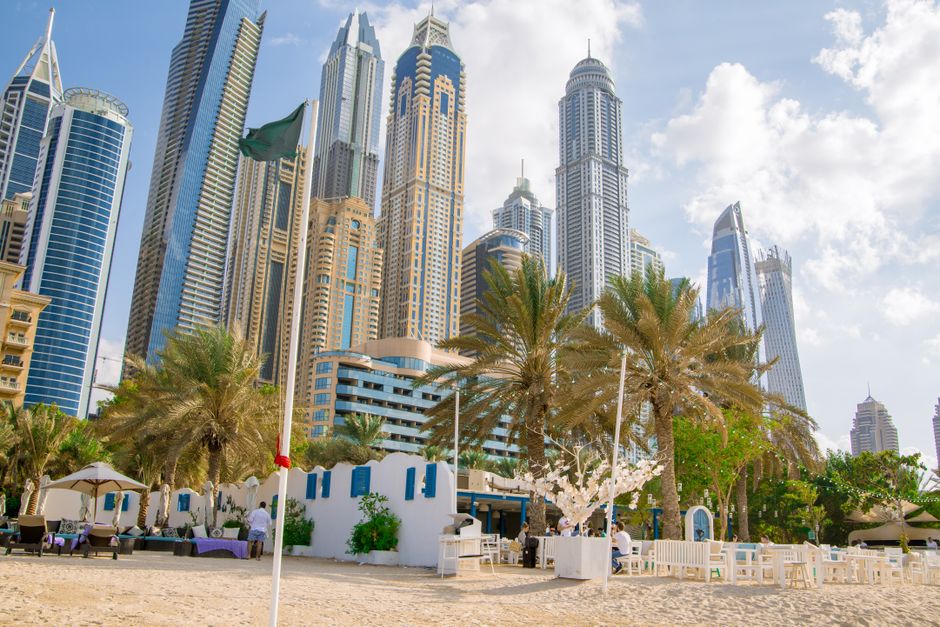
As migration crises dominate headlines from Venezuela to the Middle East, Dubai presents a strikingly different narrative. With nearly 3.8 million residents from over 200 nationalities, the emirate has engineered a model of coexistence that—despite persistent critiques—outperforms comparable global cities in several measurable ways.
Unlike Toronto, London, or Singapore, where housing affordability has become a political flashpoint, Dubai maintains rental stability through its unique freehold system. A one-bedroom apartment in Deira or Al Barsha averages AED 2,500-3,500 monthly, significantly lower than equivalent London postcodes. This structural advantage has allowed the city to absorb migration waves without the acute homelessness crises plaguing North American cities.
The contrast extends to institutional integration. Dubai's Labour Department, headquartered in Bur Dubai, processes work permits with algorithmic efficiency, whereas European cities like Berlin still rely on byzantine bureaucratic systems. The UAE's Golden Visa programme, introduced in 2019, has attracted 60,000+ high-skill migrants annually—a retention model that cities from Sydney to Amsterdam have attempted to replicate.
Yet Dubai's approach remains distinctly transactional. Community spaces like the Al Manara Library and cultural centres along Sheikh Zayed Road emphasise coexistence rather than integration. Compare this to Toronto's deliberately multicultural policymaking or Singapore's mandatory language programmes, and differences emerge. Dubai hasn't pursued aggressive civic assimilation, instead allowing expatriate clusters—Filipino communities in Manara, Indian networks in Karama, Pakistani hubs in Al Ras—to maintain parallel social structures.
Healthcare and education demonstrate similar patterns. Dubai's private systems, regulated through the Health Authority Abu Dhabi, serve expatriates efficiently, avoiding the NHS-style strain witnessed in London. However, school segregation by nationality remains common, unlike multicultural classroom mandates in Australian cities.
The July 2025 salary support initiative and Dh500 million workforce development fund showed emerging recognition that transactional models require supplementation. Still, formal integration metrics lag. Unlike Canada's settlement services or Germany's mandatory integration courses, Dubai offers minimal structural support for long-term community building.
As global migration intensifies—displaced populations from conflict zones, climate refugees, skilled workers seeking opportunity—Dubai's model presents an uncomfortable truth: efficient management and cultural pluralism don't require deep integration. The city absorbs, compartmentalises, and prospers, while traditional integration-focused cities struggle with identity politics and resource allocation.
Whether this sustainability extends beyond boom cycles remains untested. But for now, Dubai's pragmatic approach to managing the world's largest mobile workforce outperforms the fractured integration models of Western cities grappling with ideological commitments they cannot fund.
This article was compiled by AI from the sources linked above and screened before publishing. See our editorial standards.