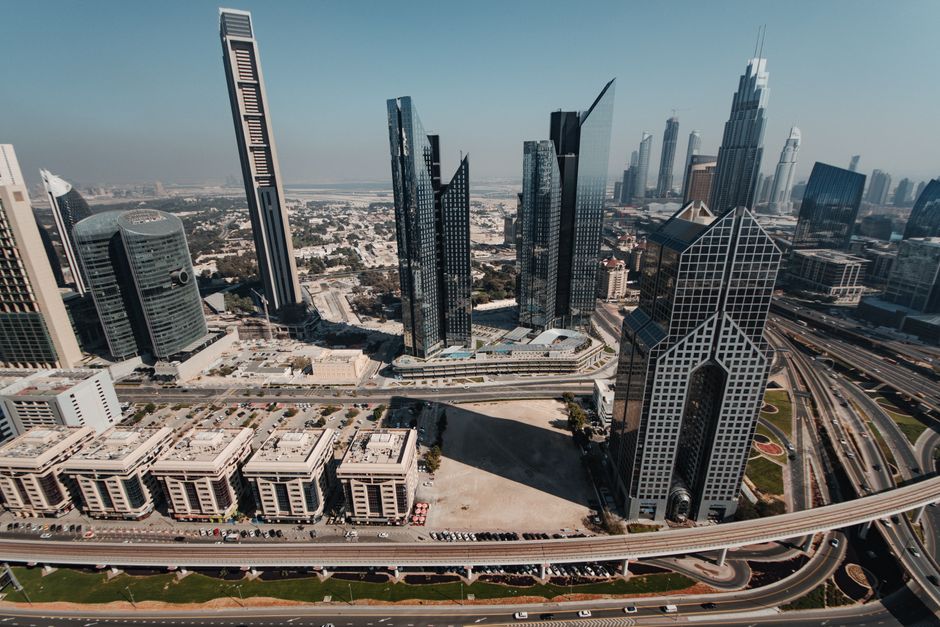
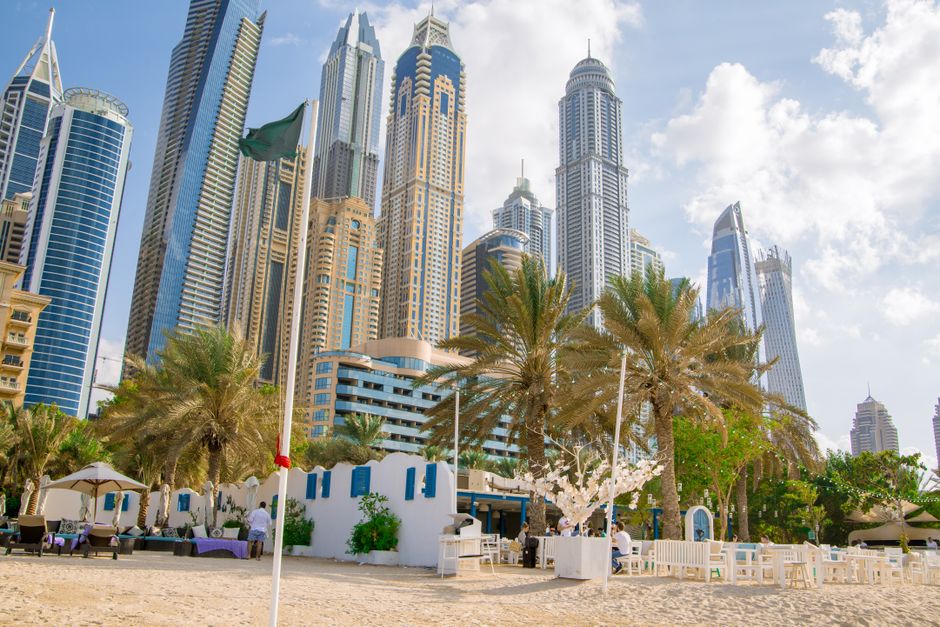
Dubai's emergency services are at an inflection point. With the General Department of Public Safety fielding over 4.2 million calls last year—a dramatic spike from historical averages—stakeholders across the emirate are grappling with fundamental questions about how to sustain response times while managing sprawling urban growth from the Palm Jumeirah to Dubai South.
The numbers tell a sobering story. Average response times in Downtown Dubai have inched toward 8 minutes for non-critical incidents, up from 6.5 minutes in 2024. In peripheral areas like Jebel Ali and Al Khawaneej, waits can exceed 12 minutes. For a city that prides itself on world-class infrastructure, these delays represent a critical juncture.
Three major decisions loom. First, Dubai Police and the Civil Defence must determine whether current staffing models can sustain demand. The Dubai Police force employs approximately 14,000 officers across 10 zones, serving a metropolitan population exceeding 3.8 million residents and 5 million daily visitors. Recruitment cycles typically take 6-8 months; decisions made in the next quarter will determine 2027 deployment capacity.
Second, technology investment will prove decisive. The integration of AI-powered dispatch systems at the Dubai Police Headquarters in Deira shows promise but requires significant capital expenditure. IoT-enabled sensors across major traffic corridors on Sheikh Zayed Road and the E11 could reduce accident response times by up to 40 per cent, according to pilot data. Budget allocations decided this quarter will determine rollout timelines.
Third—and perhaps most fraught—is inter-agency coordination. Dubai Police, the National Ambulance Service, and Civil Defence operate with separate command structures. Recent joint drills revealed communication gaps during multi-incident scenarios. The Dubai Supreme Council of Energy has flagged this as a priority, but restructuring requires political will and operational realignment that many seasoned officials view sceptically.
The business community is watching closely. Hotels along the Sheikh Zayed Road corridor and major venues like the Dubai Convention Centre rely on rapid emergency response for insurance premiums and client confidence. Emergency response times directly impact commercial property valuations across Business Bay and DIFC.
Authorities have signalled that decisions will crystallise by August, with formal announcements expected ahead of the new fiscal year. The stakes extend beyond response times—they touch public confidence, insurance frameworks, and Dubai's competitive positioning as a global safe-haven destination. What happens next will reshape how one of the world's fastest-growing cities manages crisis for the next decade.
This article was compiled by AI from the sources linked above and screened before publishing. See our editorial standards.