Dubai's transport infrastructure landscape is entering a transformative phase, with senior government officials and urban planning experts signalling major developments that could reshape how millions move through the emirate by 2030.
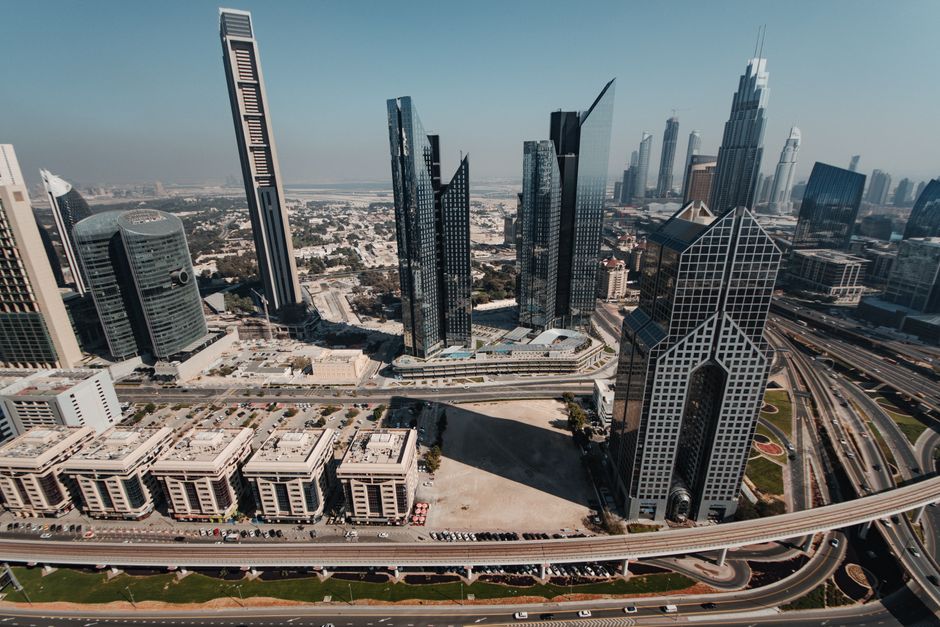
The Roads and Transport Authority (RTA) has been central to discussions surrounding the proposed expansion of the Dubai Metro Red and Green Lines, with planners emphasising the critical role of enhanced rail connectivity in reducing congestion across key arterial routes like Sheikh Zayed Road and the Emirates Road. Industry sources indicate that the next phase of metro development could ease pressure on the currently stretched networks, particularly during peak hours when ridership on existing lines exceeds 600,000 daily journeys.
Speaking to concerns about last-mile connectivity, transport planners have highlighted the integration of autonomous shuttle services in established communities such as Downtown Dubai, Dubai Marina, and Business Bay. These initiatives, officials suggest, will complement traditional mass transit and address the gap between metro stations and residential or commercial destinations—a challenge that has long frustrated commuters in outlying areas like Arabian Ranches and Jumeirah Golf Estate.
The proposed hyperloop feasibility studies between Dubai and Abu Dhabi have drawn particular attention from regional economic strategists. Experts have underscored that such infrastructure could fundamentally alter inter-emirate travel, potentially reducing transit times to under 12 minutes while supporting the broader UAE Vision 2031 agenda. However, officials have been measured in their public statements, emphasising that detailed engineering assessments and regulatory frameworks remain under development.
Aviation authorities have also weighed in on ground-side improvements around Al Maktoum International Airport and Dubai International Airport expansion zones. The push to enhance connectivity between these hubs and residential clusters via dedicated transit corridors reflects broader strategic thinking about competitive positioning within global logistics and tourism sectors.
Urban mobility experts have noted that Dubai's infrastructure ambitions must balance rapid development with sustainability commitments. The shift toward electric public transport, including e-bus fleets and charging infrastructure deployment across Business Bay and New Dubai, represents a tangible response to these concerns, officials have indicated.
Funding mechanisms remain a focal point of ongoing discussions. Government representatives have suggested that public-private partnerships will play an instrumental role in financing these expansions, though specific budgetary allocations have not been publicly disclosed.
As Dubai continues positioning itself as a global transport hub, these coordinated announcements signal confidence in the emirate's ability to handle projected population growth and maintain its competitive edge in regional infrastructure development.
This article was compiled by AI from the sources linked above and screened before publishing. See our editorial standards.