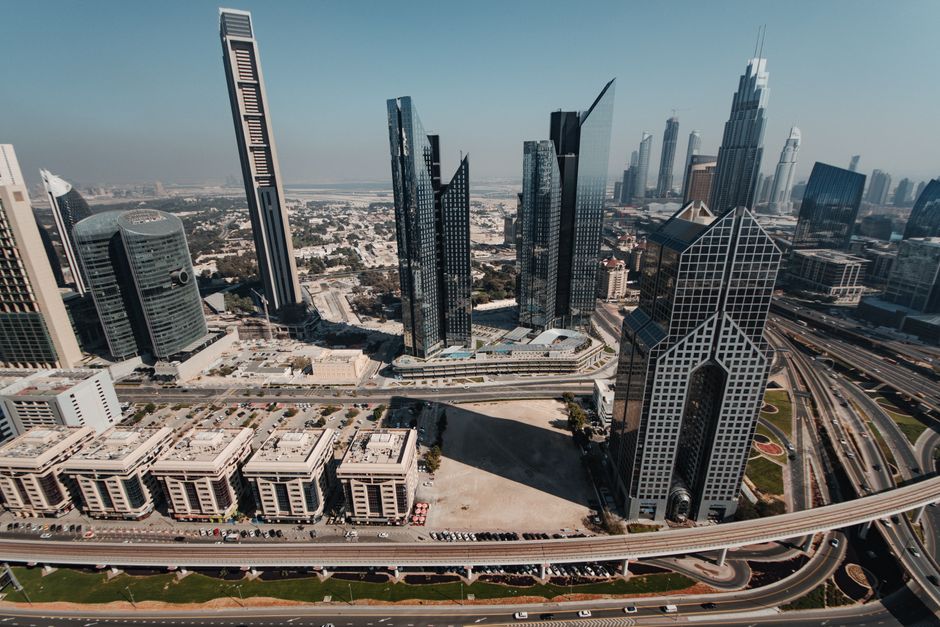
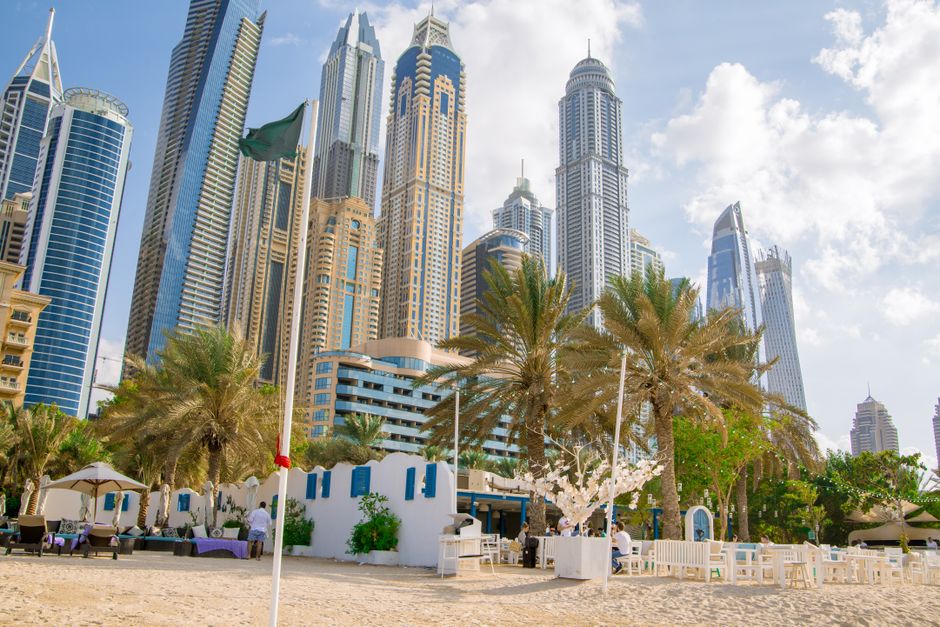
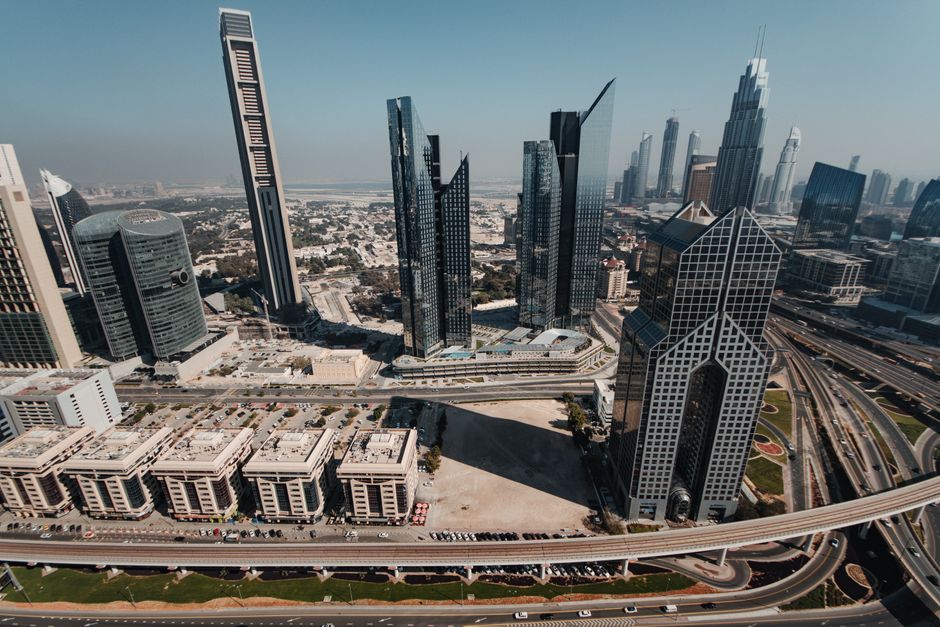
Dubai stands at a pivotal moment in its transport evolution. With the Expo 2020 site now transitioning into District 2020, and the city's population expected to reach 3.6 million by 2030, infrastructure planners are grappling with decisions that will fundamentally reshape how residents and visitors move across the emirate.
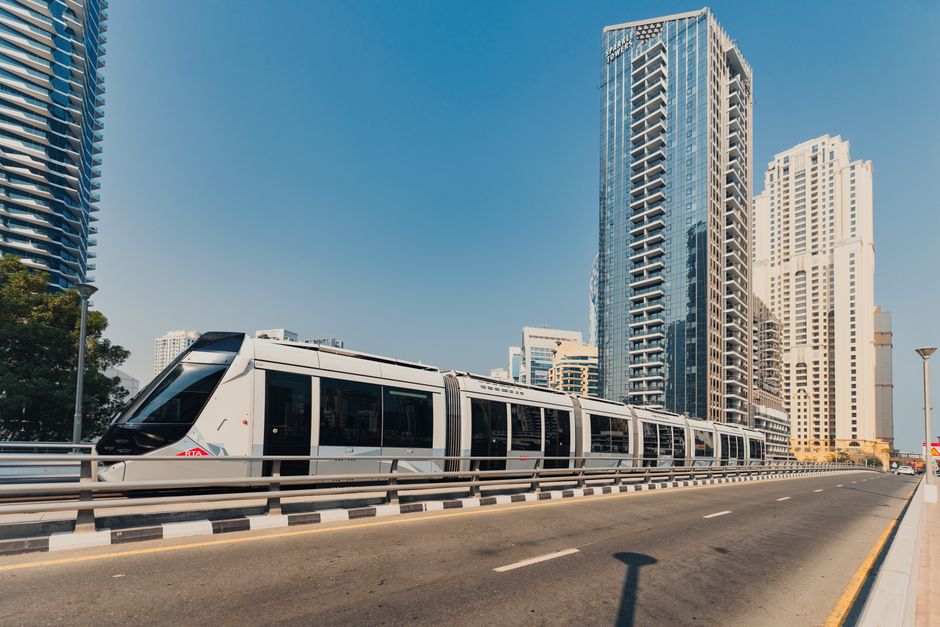
The most pressing question centres on the Red Line's southern extension. The current line terminates at Jebel Ali, but the Roads and Transport Authority faces a critical decision: whether to push the metro towards Deira Island and the emerging developments at Jebel Ali Port, or prioritise investment in Bus Rapid Transit corridors serving Arabian Ranches and the expanding southern suburbs. Each option carries vastly different implications for property values, congestion patterns, and the viability of Dubai's carbon-neutral transport targets.
"We're at an inflection point," according to industry observers tracking the sector. The Dh150 billion already invested in metro infrastructure has transformed commuting for over 100 million annual users, but the current network covers only 76 kilometres. Expansion plans exist, yet funding allocation remains contested among competing priorities.
A second pivotal decision involves autonomous vehicle integration. Dubai approved an ambitious autonomous vehicle testing programme in 2023, but questions linger: Will the emirate commit to dedicated autonomous lanes on Sheikh Zayed Road and the E11, or integrate self-driving vehicles into existing mixed-traffic infrastructure? The answer will determine whether autonomous shuttles become viable for low-density areas like Jumeirah Golf Estates and Arabian Ranches, or remain confined to high-capacity corridors.
Last-mile connectivity presents the third critical fork. Current plans emphasise e-scooter and bike-sharing networks in Deira, Downtown Dubai, and Marina, but the RTA must decide whether to expand regulated micro-mobility beyond these affluent zones into Karama, Al Manara, and Satwa—where such solutions could genuinely reduce dependency on private vehicles for lower-income residents.
The Dh22 billion Etihad Rail project, linking Dubai to Abu Dhabi and onwards, represents a longer-term strategic choice. Its completion by 2030 will fundamentally alter commuting and freight logistics, but operational decisions—pricing, frequency, and integration with metro schedules—haven't been finalised.
Climate commitments add urgency. Dubai's pledge to achieve net-zero emissions by 2050 requires transport to shift dramatically: electric buses now comprise 15% of the RTA fleet, yet reaching 100% electrification by 2035 demands immediate procurement decisions and charging infrastructure investments worth billions of dirhams.
These decisions will be made over the coming months. The RTA's strategic masterplan update, expected this year, will signal whether Dubai prioritises sprawl-management through metro extension, technological integration through autonomous systems, or equity through affordable last-mile solutions. The choice made will echo through the emirate for decades.
This article was compiled by AI from the sources linked above and screened before publishing. See our editorial standards.