Dubai's Migration Leaders Call for Stronger Integration Frameworks as Expat Population Hits New Peak
Senior officials and experts warn that rapid demographic shifts demand urgent policy updates to support the emirate's 88% non-citizen workforce.
Senior officials and experts warn that rapid demographic shifts demand urgent policy updates to support the emirate's 88% non-citizen workforce.
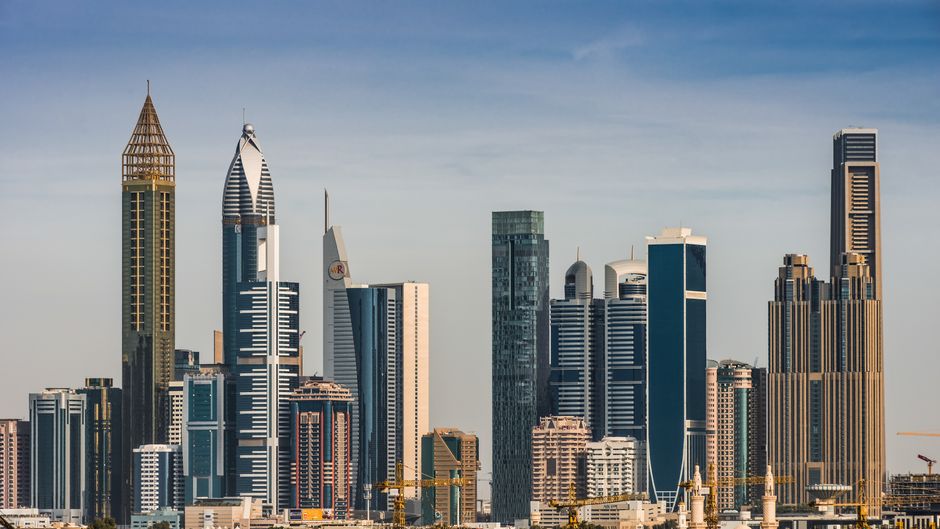
As Dubai's expatriate population continues to surge, reaching an estimated 3.6 million residents, senior government officials and migration experts are publicly urging policymakers to strengthen integration frameworks and social cohesion programmes across the emirate.
Speaking at a forum hosted by the Dubai Chamber of Commerce last week, labour ministry representatives acknowledged the strains emerging in areas such as Deira, Bur Dubai, and the industrial zones around Jebel Ali, where overcrowded labour camps house thousands of migrant workers. Officials stressed the need for updated housing standards and workplace monitoring systems to prevent exploitation.
"The scale of our migration is unprecedented globally," said a senior analyst at the Gulf Research Centre, based in Dubai Hills Estate. "With 88 per cent of residents born outside the UAE, managing integration isn't optional—it's foundational to stability."
Dr Noor Al Mazrouei, director of community affairs at the Mohammed Bin Rashid Library in Downtown Dubai, highlighted gaps in language and civic education programmes. "We have exceptional diversity, but without deliberate integration efforts, communities can fragment," she noted in recent remarks to local media, pointing to successful models in countries like Canada and Singapore.
The Dubai Statistics Centre reported that remittances sent home by migrant workers totalled $68 billion last year—underscoring economic interdependencies that experts say demand policy alignment with labour-sending nations including India, Pakistan, Bangladesh, and the Philippines.
Professional bodies have joined the conversation. The UAE National Human Resources Development and Employment Authority has received multiple recommendations to expand skills certification programmes accessible to migrant workers in Sheikh Zayed Road employment zones, where visa sponsorship systems remain contentious.
The General Directorate of Residency and Foreigners Affairs, which processes over 500,000 visa applications annually, has signalled openness to streamlining pathways for mid-skilled workers, though specific reforms remain under internal review.
Experts also flagged healthcare and education access as critical. Dr Hamad Al Mansouri, a public health consultant, noted that clinics in Karama and Satwa operate at 140 per cent capacity during peak hours, straining services that serve largely migrant populations earning Dh1,500–Dh3,000 monthly.
Dubai's success as a global hub, officials emphasise, depends on treating migration not as a temporary necessity but as a defining characteristic requiring sustained investment in welfare, representation, and social infrastructure.
This article was compiled by AI from the sources linked above and screened before publishing. See our editorial standards.
How does this story make you feel?
Spread the word
About this article
Published by The Daily Dubai
Daily brief
Free, in your inbox before 7am. Weekdays.
More in News