How Dubai's Housing Crisis Became the Blueprint for Regional Planning Reform
Two decades of rapid growth, speculative investment, and boom-bust cycles have forced policymakers to fundamentally rethink how the emirate plans for its future.
Two decades of rapid growth, speculative investment, and boom-bust cycles have forced policymakers to fundamentally rethink how the emirate plans for its future.
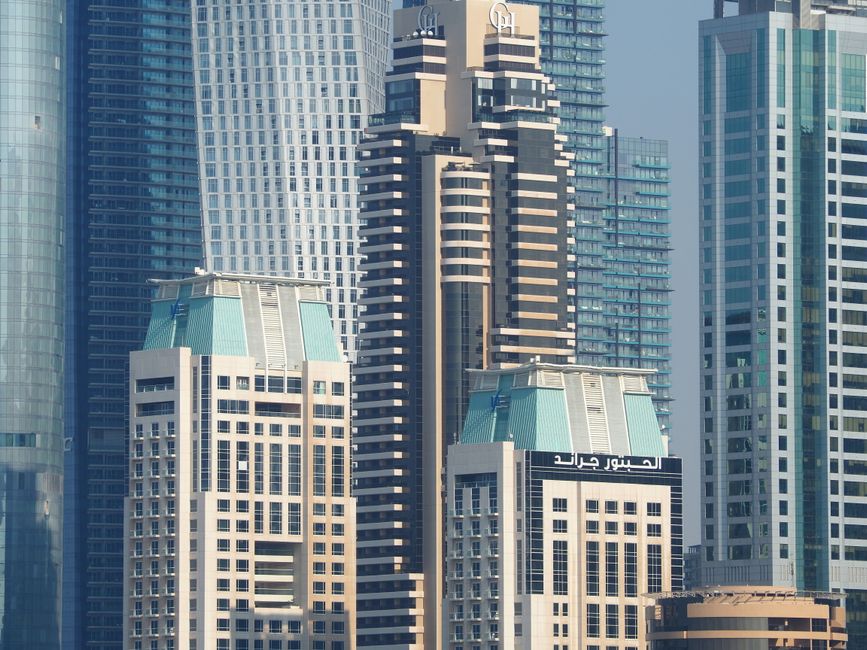
Dubai's current housing policy overhaul didn't emerge overnight. It is the product of two tumultuous decades marked by exponential population growth, speculative real estate bubbles, and hard-learned lessons that have reshaped how the emirate approaches urban development.
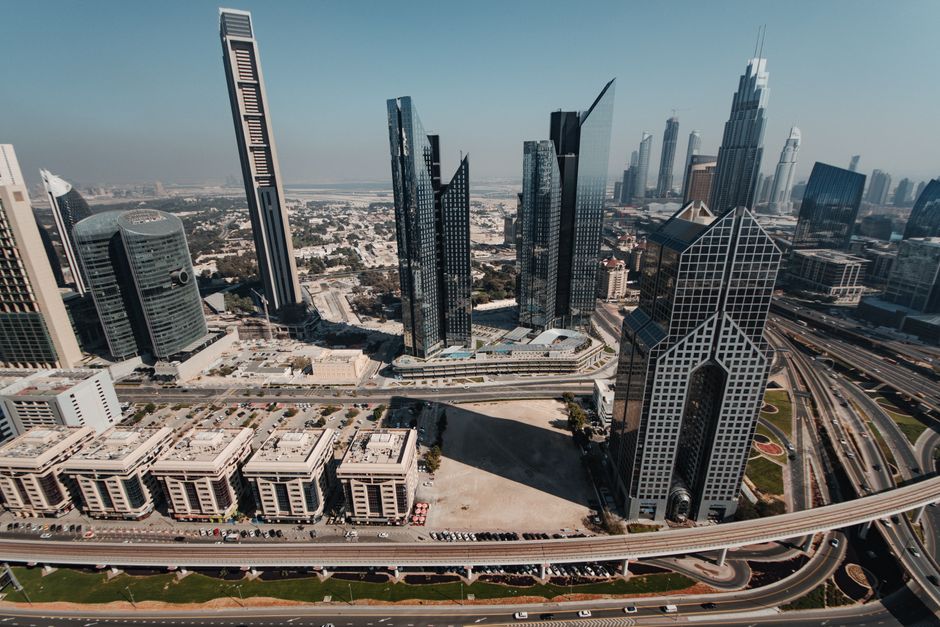
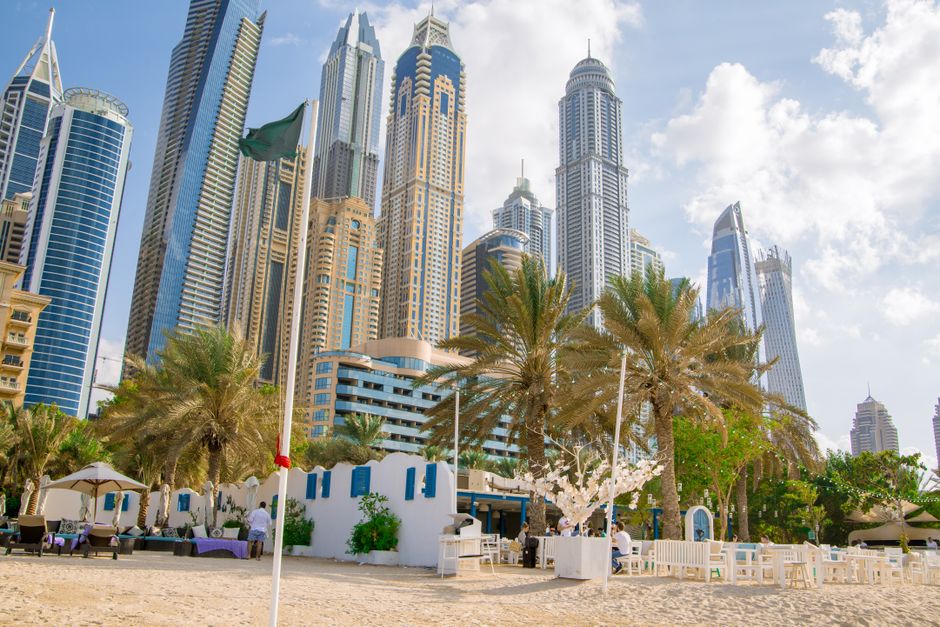
The narrative begins in the early 2000s, when Dubai's real estate market was virtually unregulated. International investors poured capital into developments across Jumeirah, Downtown Dubai, and emerging areas like Dubai Marina. Property prices surged from approximately AED 1,500 per square metre in 2004 to over AED 5,000 by 2008—just before the global financial crisis struck. The subsequent collapse wiped billions from the market and left thousands holding mortgages on properties worth half their purchase price. Vacant towers dotted the skyline. Entire developments remained incomplete.
That crisis catalysed the first wave of regulatory reforms. The Real Estate Regulatory Agency (RERA), established in 2007, began standardising contracts and improving transparency. Yet the fundamental challenge persisted: Dubai continued attracting migrants far faster than planned housing could accommodate. The population swelled from roughly 1.4 million in 2005 to over 3.7 million today, with projections suggesting further growth.
This demographic pressure created secondary distortions. Rental prices in established neighbourhoods like Deira, Bur Dubai, and Al Karama skyrocketed, pricing out lower-income residents. The government's social housing initiatives, though well-intentioned, struggled to keep pace. Meanwhile, sprawl accelerated southward toward Expo City and beyond, extending commute times and straining infrastructure on the E11 highway.
By the early 2020s, a consensus emerged among planners: the model was unsustainable. Traditional zoning had failed. Mixed-income communities were needed. Transit-oriented development became policy priority. The Dubai Municipality and RERA began coordinating more closely with the Roads and Transport Authority to align housing projects with the Metro expansion and bus rapid transit corridors.
Today's policy framework—emphasising affordable housing quotas in new developments, density bonuses for sustainability features, and stricter controls on short-term tourist rentals that had exacerbated shortages—represents this accumulated wisdom. The Deira 2020s regeneration initiative, which targets historical districts for revitalisation rather than wholesale demolition, exemplifies this evolved thinking.
The housing conversation in Dubai is no longer purely transactional. It has become strategic, demographic, and fundamentally tied to questions of livability and social cohesion. Understanding this trajectory is essential for grasping why today's policies look radically different from those of even a decade ago.
This article was compiled by AI from the sources linked above and screened before publishing. See our editorial standards.
How does this story make you feel?
Spread the word
About this article
Published by The Daily Dubai
Daily brief
Free, in your inbox before 7am. Weekdays.
More in News