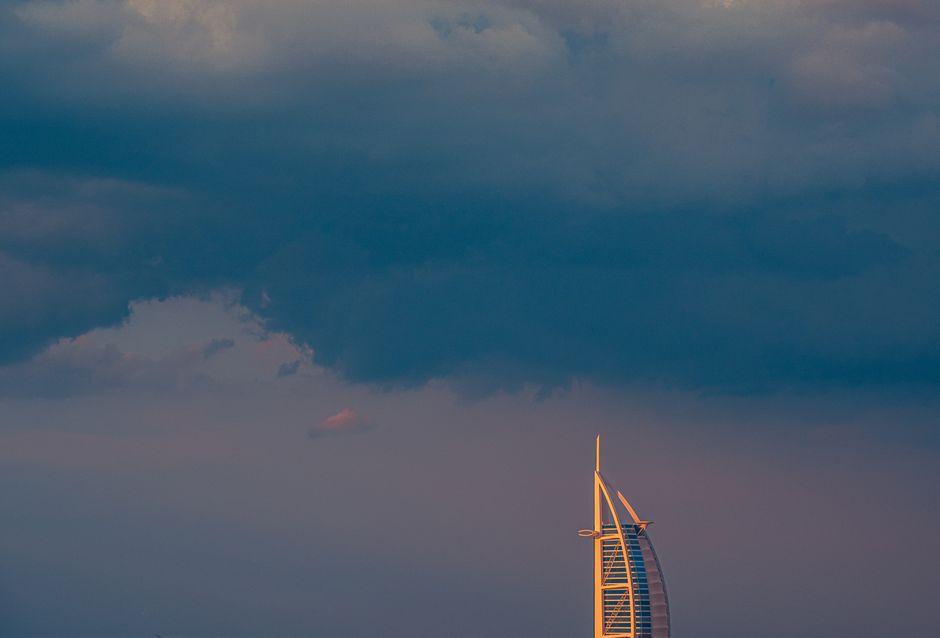
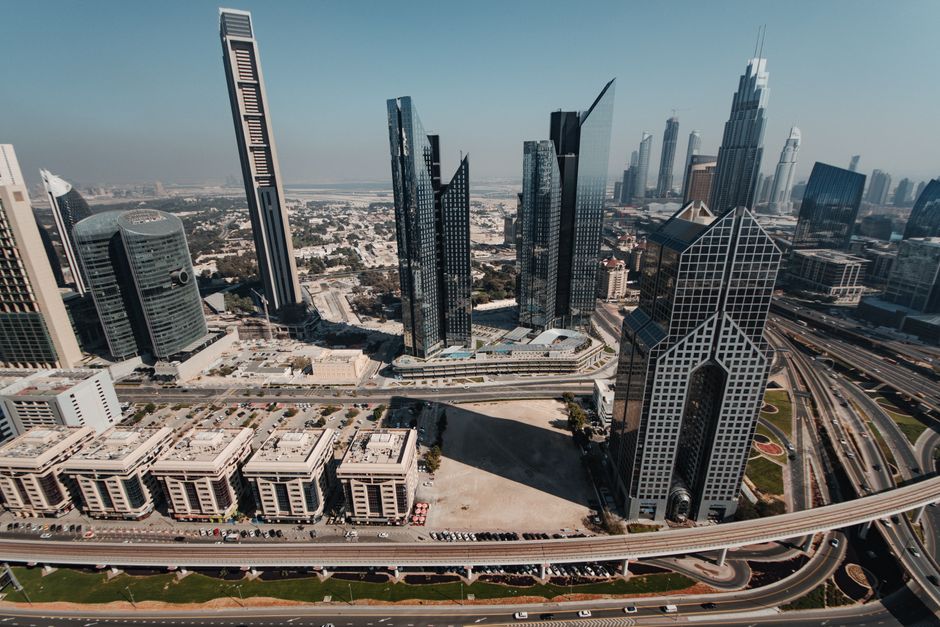
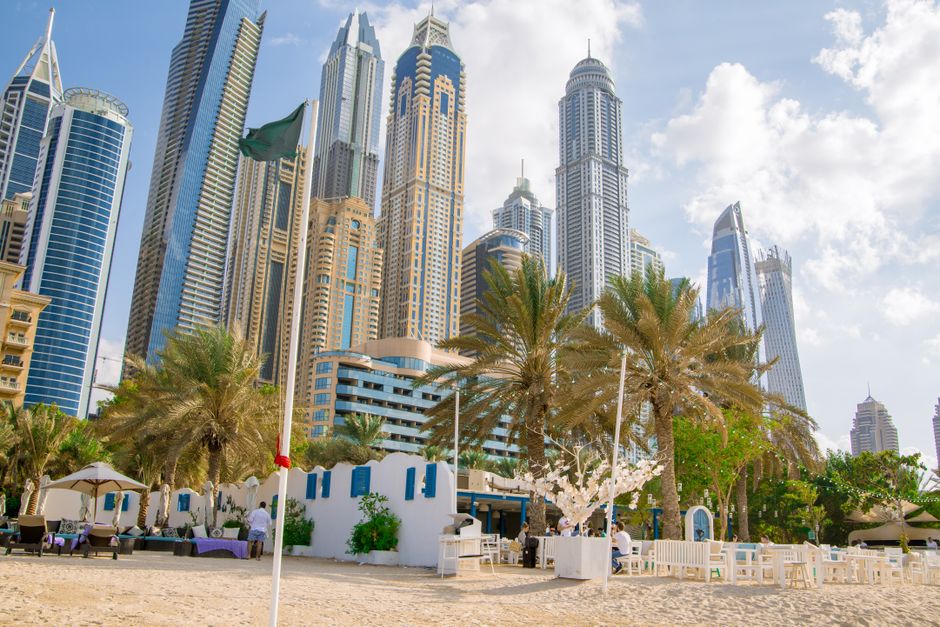
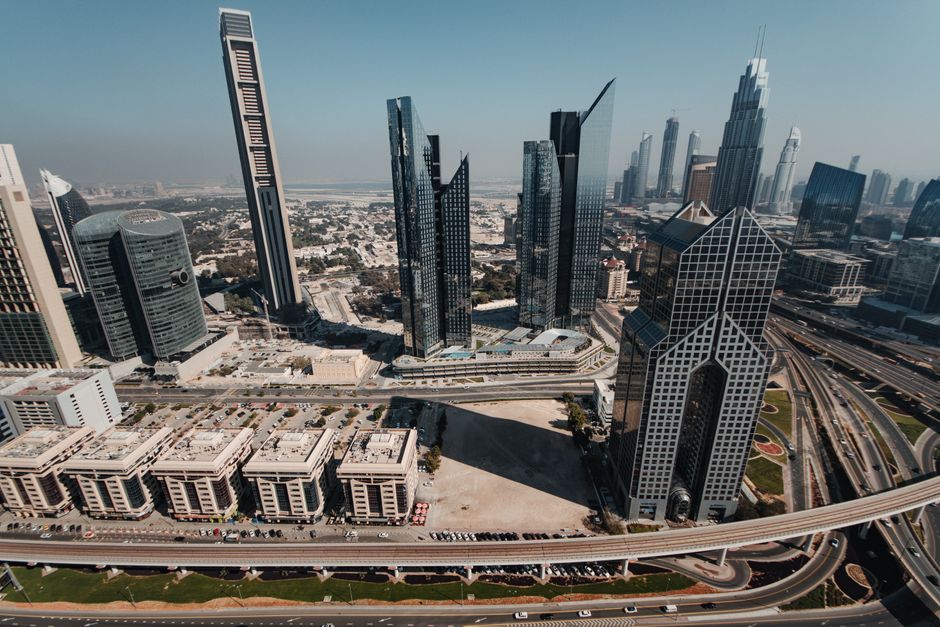
While Dubai's gleaming skyline continues to evolve, conversations about environmental responsibility are increasingly happening in the city's residential pockets, from bustling community centres in Deira to family-run businesses along Sheikh Zayed Road.
The push for sustainability has gained tangible momentum across the emirate. Dubai's renewable energy capacity is projected to reach 5,000 megawatts by 2030—a significant leap from current levels. Yet for ordinary residents, the real impact of these ambitious targets plays out in their daily lives: water consumption fees, waste management systems, and the viability of maintaining green spaces in an arid climate.
In Al Baraha, one of Dubai's oldest neighbourhoods, community members express cautious optimism about recent initiatives. The establishment of neighbourhood recycling points and educational campaigns through local mosques and schools has sparked meaningful dialogue. However, residents point out that sustainable solutions must remain affordable in a city where housing costs already strain many budgets. Water usage charges, which have risen incrementally, remain a concern for families with children and extended households typical of the area.
Meanwhile, in emerging communities like Dubai South and Sobha Hartland, newer residents report greater engagement with sustainability frameworks built into master-planned developments. Solar panel installations on residential buildings and waste segregation systems are now standard features. Yet questions persist about enforcement and long-term maintenance.
Small business owners along Baniyas Road and in Karama have become unexpected sustainability advocates, implementing energy-efficient practices out of economic necessity. Restaurant owners, particularly, highlight the operational costs of transitioning to eco-friendly packaging and water conservation systems, though many report growing customer demand for such measures.
Environmental awareness campaigns at Dubai's community centres—from the Sheikh Mohammed Centre for Cultural Understanding to various municipal facilities—reveal a population increasingly conscious of carbon footprints and resource depletion. Parents at schools across the emirate indicate strong interest in environmental education, though concerns about implementation and consistency across institutions remain.
The dialogue illuminates a crucial reality: Dubai's sustainability journey succeeds not solely through top-down policy but through genuine community buy-in. Residents emphasise that meaningful progress requires transparent communication about costs, tangible results, and recognition that different neighbourhoods face distinct environmental and economic pressures.
As the emirate moves toward its 2050 Net Zero Carbon goal, these community voices—from long-time residents to recent arrivals, from entrepreneurs to families—form the essential foundation for strategies that are both environmentally ambitious and socially viable.
This article was compiled by AI from the sources linked above and screened before publishing. See our editorial standards.