Dubai Municipality Fast-Tracks Infrastructure Projects: Here's What Changed This Week
Fresh zoning approvals and transit developments signal accelerated urban planning across the emirate as officials respond to population growth pressures.
Fresh zoning approvals and transit developments signal accelerated urban planning across the emirate as officials respond to population growth pressures.

Dubai's municipal administration moved swiftly this week to approve several infrastructure initiatives, marking a significant shift in the pace of city planning decisions that will reshape commute patterns and residential availability across multiple zones.
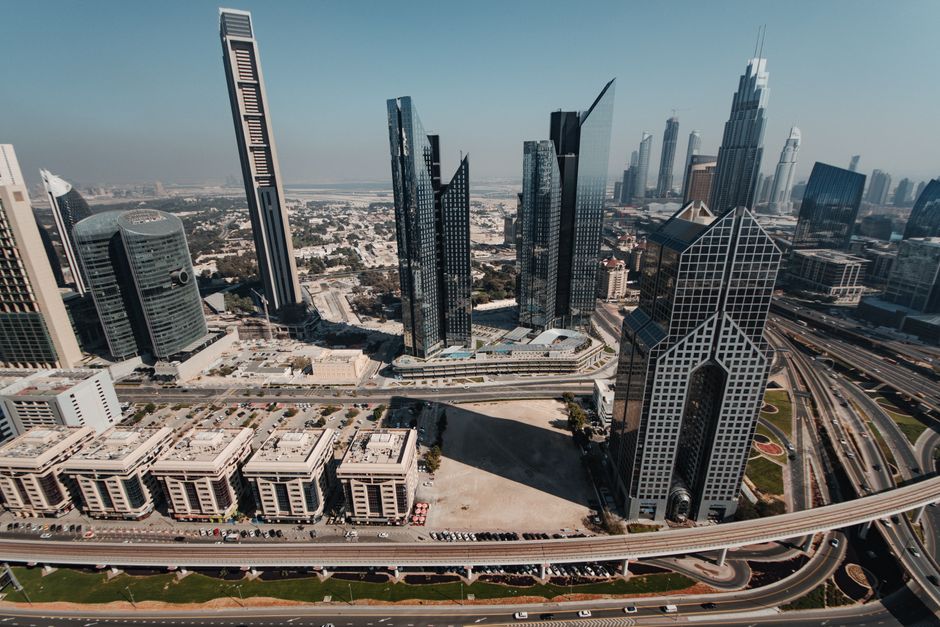
The Dubai Municipality announced conditional approval for expanded transit-oriented development frameworks along the Al Khail Road corridor, a critical artery linking Business Bay to Arabian Ranches. The decision, unveiled during Wednesday's strategic planning session, allows developers greater flexibility in mixed-use projects within 800 metres of proposed metro extension points. Officials indicated the framework aims to accommodate the city's projected 12 per cent population increase over the next three years, currently estimated at 3.9 million residents.
Simultaneously, the Roads and Transport Authority confirmed completion of preliminary surveys for the long-anticipated Business Bay underpass project, with construction tender documents expected by September. The AED 420 million initiative has been positioned as essential relief for the congested intersection at Sheikh Zayed Road and Al Wasl Road, where peak-hour traffic delays have averaged 24 minutes during recent months.
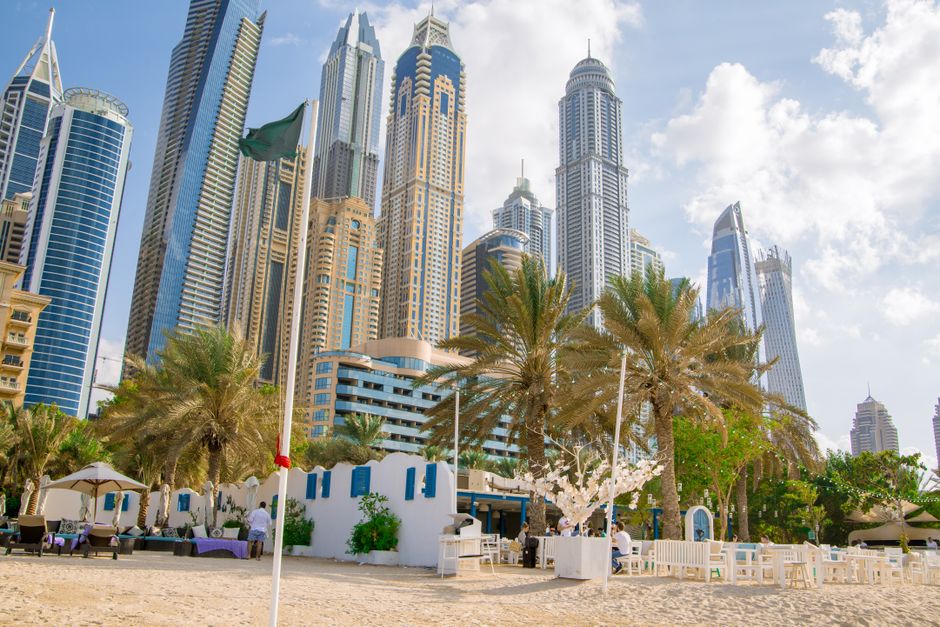
In residential zoning news, the municipality greenlit amendments to Jumeirah planning regulations, permitting increased plot density in designated areas near the Jumeirah Beach Residence vicinity. The change, detailed in updated guidelines released Friday, effectively opens approximately 140 hectares for medium-rise residential consideration—a notable departure from historically restrictive height limitations in the beachfront neighbourhood.
Officials also confirmed expedited processing for business licences in the Jebel Ali Free Zone, reducing standard approval timelines from 15 working days to 8 days. This administrative restructuring targets logistical and manufacturing enterprises seeking operational activation, representing the municipality's response to competitive pressures from neighbouring emirates.
Additionally, Dubai's Public Health and Safety Department introduced enhanced monitoring protocols for commercial establishments across Deira and Bur Dubai, following a routine inspection cycle. New standards affecting food handling facilities and waste management protocols take effect July 15, with a 30-day compliance window for existing operators.
The municipality's sustainability initiatives also gained momentum, with announcement of expanded recycling centre locations across Muhaisnah and Warsan, complementing existing facilities in Al Quoz and Jebel Ali. Officials stated the expansion responds to recorded 34 per cent growth in residential recycling participation over the past 18 months.
These developments reflect the administration's balancing act: maintaining Dubai's competitive global positioning while addressing infrastructure demands from an increasingly dense urban population. Next week's municipal council session will review implementation timelines and budget allocations for approved projects.
This article was compiled by AI from the sources linked above and screened before publishing. See our editorial standards.
How does this story make you feel?
Spread the word
About this article
Published by The Daily Dubai
Daily brief
Free, in your inbox before 7am. Weekdays.
More in News