Senior officials and policy experts from Dubai's government are laying out a clearer roadmap for the emirate's urban development priorities, signalling a strategic shift toward infrastructure modernisation and environmental sustainability that will shape the city's trajectory through 2027 and beyond.
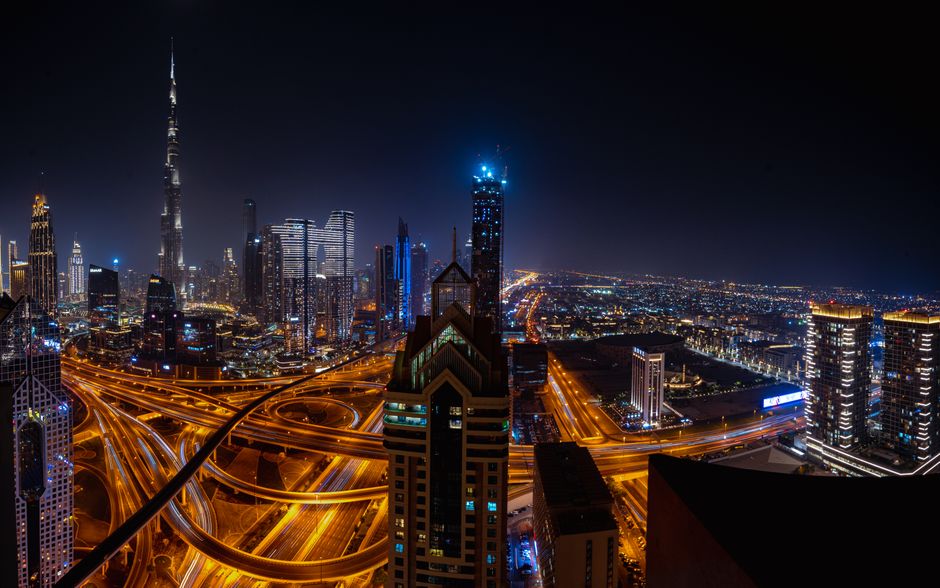
Speaking at recent forums and policy briefings, authorities have emphasised the need to enhance connectivity across established neighbourhoods while managing rapid population growth. The focus appears particularly acute around Business Bay and Downtown Dubai, where congestion patterns have become increasingly pronounced during peak hours, according to transport planning specialists monitoring the city's mobility challenges.
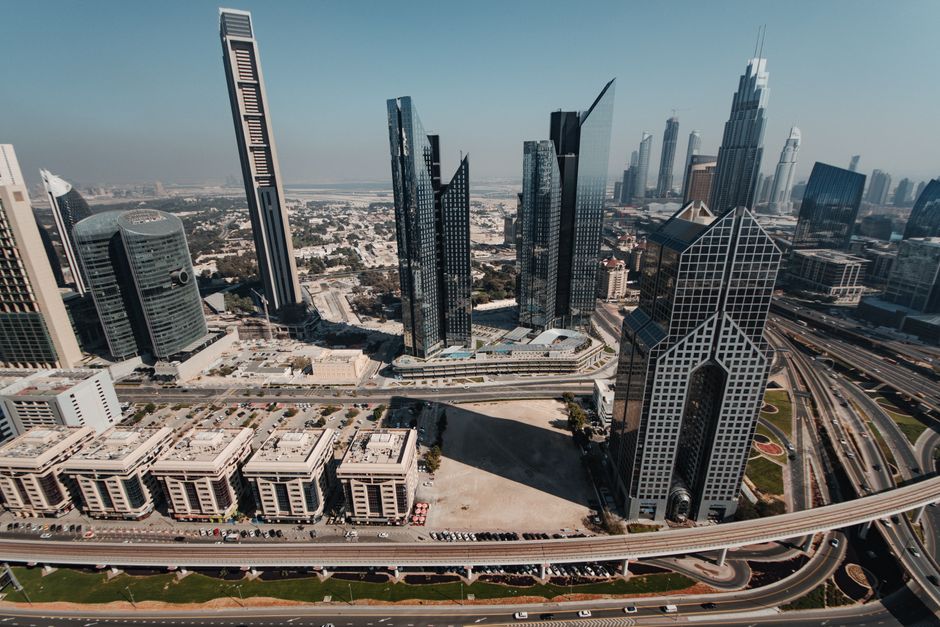
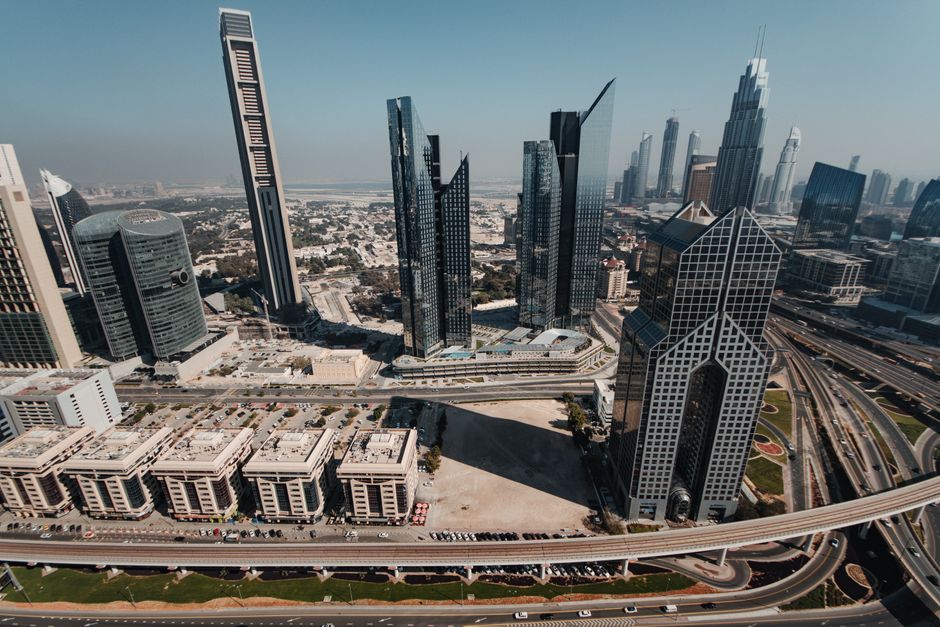
Key figures within the Department of Urban Planning have highlighted the importance of integrating last-mile connectivity solutions with existing metro networks. Officials have discussed how improved pedestrian infrastructure along Sheikh Zayed Road and enhanced bus rapid transit corridors could alleviate pressure on private vehicles, though specific timelines remain under review.
On the sustainability front, government representatives have reaffirmed commitment to the Dubai Clean Energy Strategy 2050, with particular emphasis on retrofitting older commercial districts. Experts point to the potential for renewable energy integration in areas like Deira and Bur Dubai, where heritage preservation can coexist with modern efficiency upgrades.
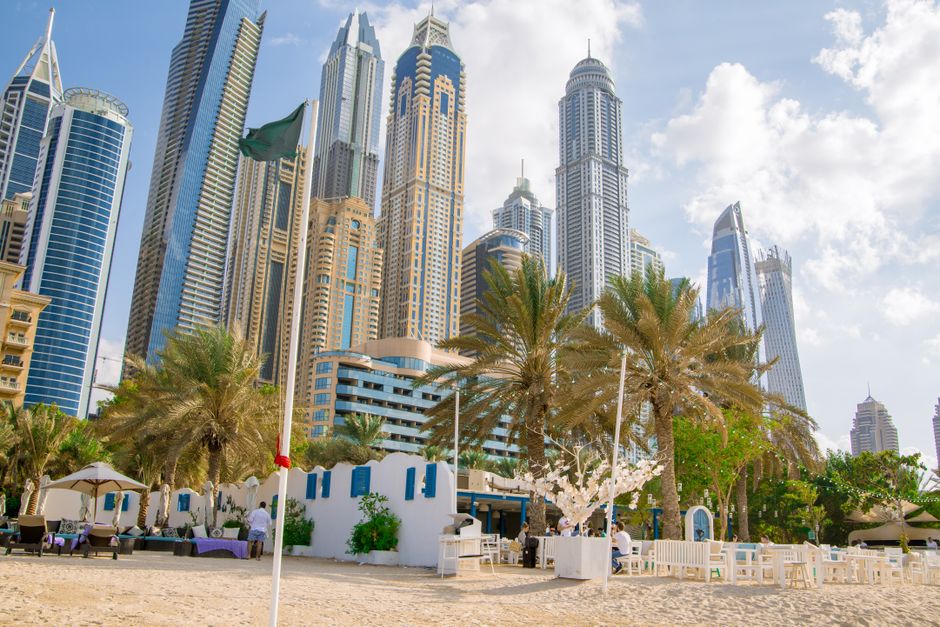
Housing affordability has also emerged as a critical talking point among policy analysts. While average villa prices in Emirates Hills and apartment costs in Marina continue climbing—with premium properties commanding AED 3,000 to AED 5,000 per square metre—officials have signalled renewed interest in supporting affordable housing initiatives. The expansion of developments in emerging areas like Akoya Oxygen and Damac Lagoons reflects this dual-track approach, according to urban development observers.
Water management and waste reduction programmes are receiving renewed policy attention. Officials have discussed ambitious targets for recycling rates and wastewater treatment across the city's 139 square kilometres, particularly as population projections suggest continued expansion.
Community engagement initiatives have also gained prominence in recent statements. Government representatives have underscored the importance of public consultation on major infrastructure projects, with emphasis on how new developments might affect quality of life in established residential zones across Jumeirah, Barsha, and Al Safa.
These coordinated messaging efforts suggest a maturing approach to urban governance—one balancing rapid development with livability concerns. As Dubai positions itself within increasingly competitive global urban markets, officials appear committed to demonstrating that growth and sustainability can advance simultaneously, though implementation challenges and budget constraints remain significant variables in how ambitious these plans ultimately become.
This article was compiled by AI from the sources linked above and screened before publishing. See our editorial standards.