Dubai's Transport Crossroads: The Critical Decisions Shaping the Next Five Years
As the emirate grapples with congestion and metro expansion delays, planners face pivotal choices that will define mobility across the region.
As the emirate grapples with congestion and metro expansion delays, planners face pivotal choices that will define mobility across the region.
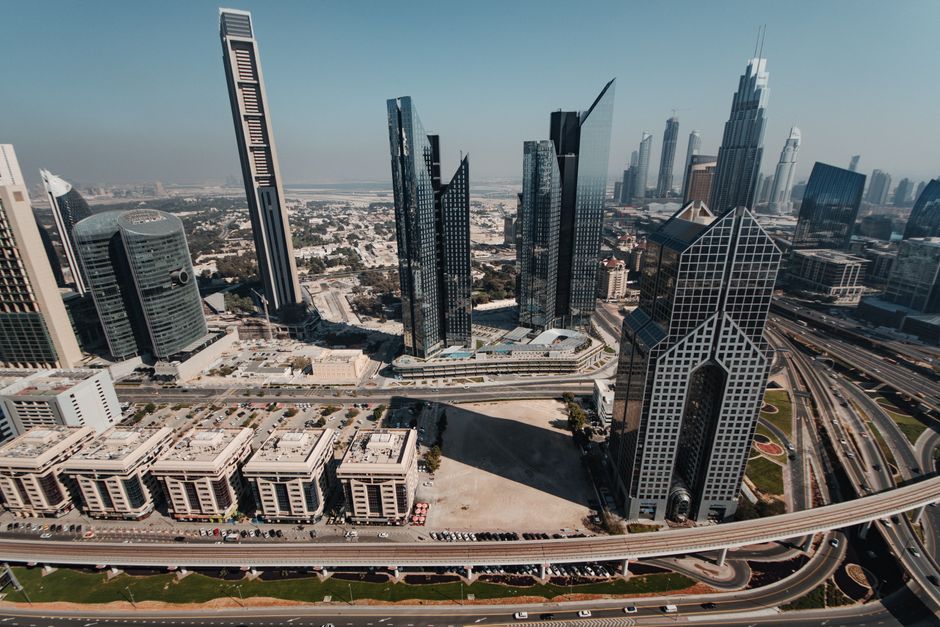
Dubai stands at a critical juncture in its transport evolution. With the Roads and Transport Authority reporting a 12 percent surge in vehicle registrations over the past two years and metro ridership exceeding 200 million journeys annually, the question is no longer whether new infrastructure is needed—it's which projects take priority and how quickly they materialize.
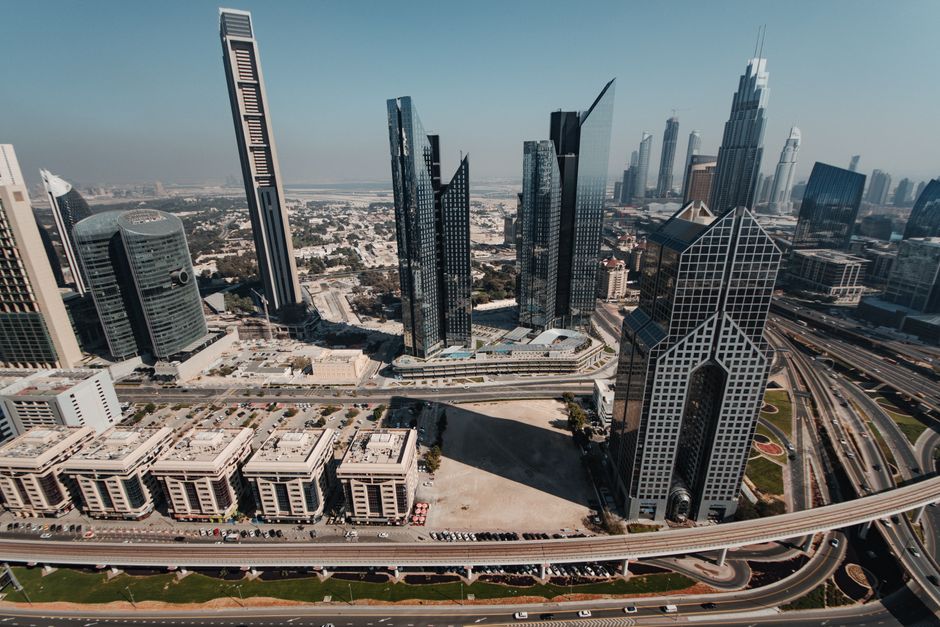
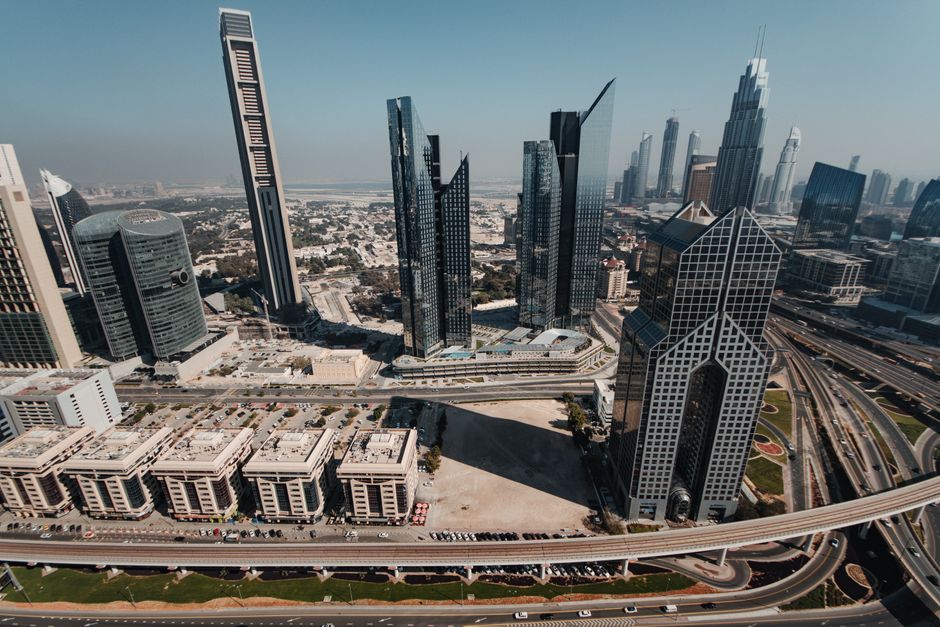
The most pressing decision centres on the proposed Dubai Metro Red Line extension towards Expo City. Originally slated for completion by 2028, the project faces significant funding deliberations. Officials must decide whether to accelerate the timeline, which would require reallocating resources from other initiatives, or maintain the current schedule while accepting continued traffic pressure on Sheikh Zayed Road and the E11 highway—routes already handling near-capacity volumes during peak hours.
Equally consequential is the future of the planned Bus Rapid Transit corridor along Al Khail Road. This 30-kilometre route would serve communities from Mirdif to Jebel Ali, potentially drawing 80,000 daily commuters away from private vehicles. However, implementation requires coordinated land acquisitions and utilities relocation across multiple emirates, a process that has stalled for 18 months. The RTA must now decide whether to proceed with the current alignment or pursue a redesigned route with fewer dependencies.
The Deira–Bur Dubai waterfront development introduces another layer of complexity. Plans for a light rail network connecting heritage neighbourhoods to Downtown Dubai have generated enthusiasm among urban planners but face skepticism from stakeholders concerned about construction disruption to the creek's commercial activities. Decision-makers must balance heritage preservation against modernization demands, with final environmental impact assessments due by September 2026.
Funding mechanisms represent perhaps the most critical unknown. The emirate traditionally leverages public-private partnerships, but global interest rate environments have shifted dramatically since projects were originally conceived. Officials are weighing whether to absorb higher borrowing costs or restructure timelines—choices with profound implications for Dubai's competitive position as a global logistics hub.
The RTA's integrated transport master plan revision, scheduled for completion later this year, will crystallize these decisions. This document will establish whether Dubai prioritizes metro expansion, road infrastructure, or sustainable transport modes—and whether the timeline emphasizes rapid deployment or phased, fiscally conservative implementation.
For residents and businesses, these decisions will determine commute experiences and commercial viability for years ahead. The choices made in the coming months will either alleviate congestion or perpetuate the gridlock that increasingly characterizes routes like Sheikh Zayed Road during evening rushes.
This article was compiled by AI from the sources linked above and screened before publishing. See our editorial standards.
How does this story make you feel?
Spread the word
About this article
Published by The Daily Dubai
Daily brief
Free, in your inbox before 7am. Weekdays.
More in News