Dubai's Migration Future: What Officials and Experts Say About the City's Evolving Workforce
As the emirate navigates demographic shifts and labour market pressures, key figures outline strategies to sustain growth while balancing social cohesion.
As the emirate navigates demographic shifts and labour market pressures, key figures outline strategies to sustain growth while balancing social cohesion.
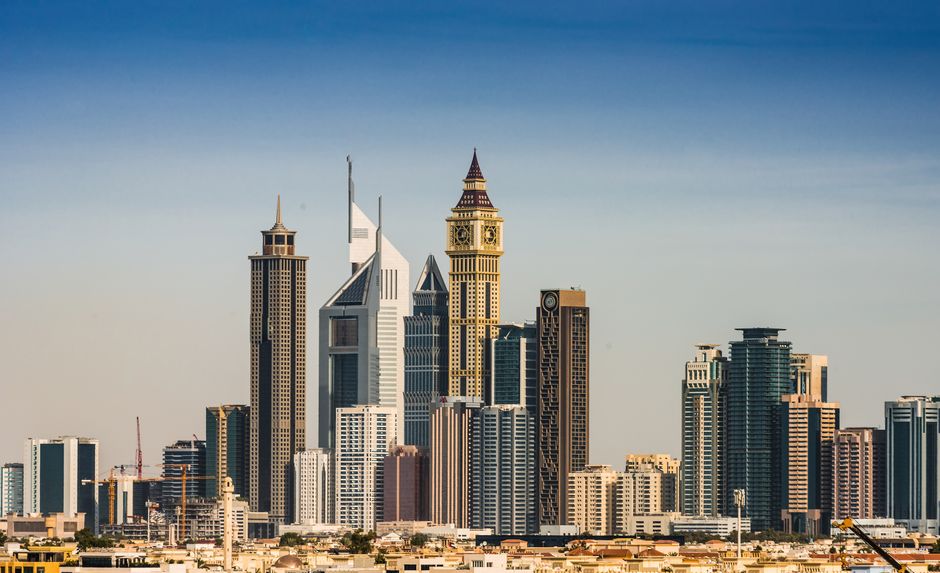
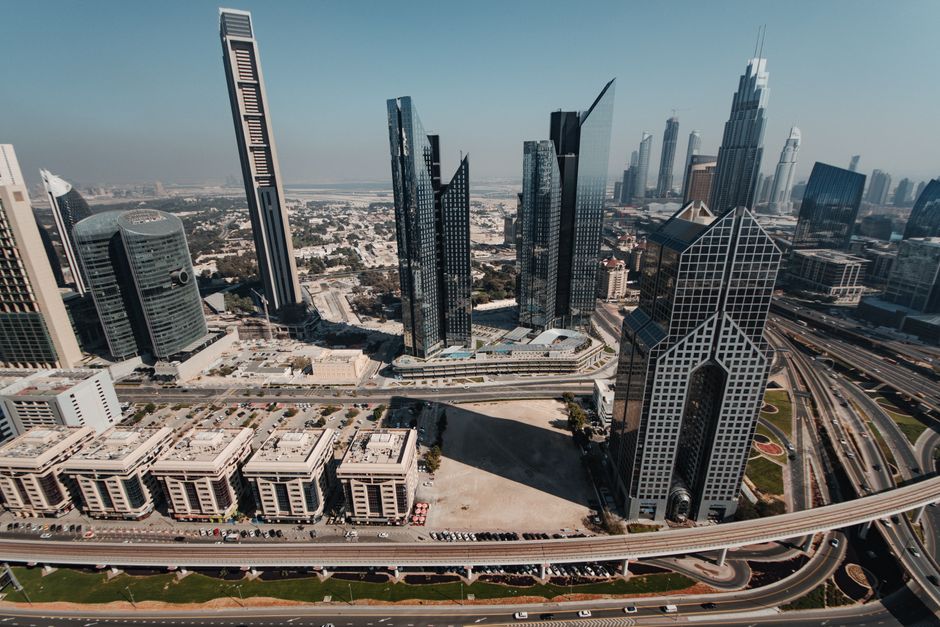
Dubai's rapid expansion has long depended on its multicultural workforce, with expatriates comprising nearly 88 per cent of the population across Business Bay, Downtown, and beyond. Yet as geopolitical uncertainties ripple through global labour markets, city officials and migration experts are reshaping policies that will define the emirate's demographic landscape for years to come.
Speaking at a recent forum in the Dubai Chamber headquarters near the Creek, government advisors emphasised a strategic pivot toward attracting skilled professionals in technology, healthcare, and renewable energy sectors. "We're not simply seeking volume," one senior official from the Department of Human Resources noted, without elaborating on specific recruitment targets. "Quality talent retention is now paramount as we compete with global cities for specialised expertise."
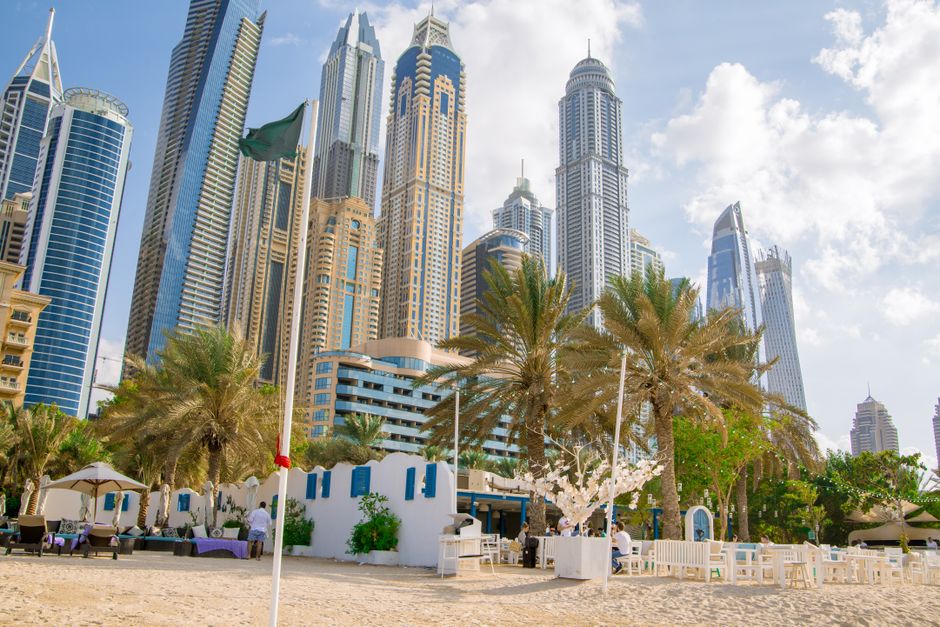
Dr. Hassan Al-Mansouri, a migration specialist at the Gulf Institute for Research, based in the Marina district, has tracked demographic patterns across the GCC region for over a decade. In recent interviews, he highlighted concerns about skill mismatches in lower-wage sectors, where labour shortages persist despite the steady influx of workers. "Dubai faces a delicate balancing act," he explained, pointing to wage pressures in construction and hospitality sectors operating along Sheikh Zayed Road and the emerging Expo 2020 legacy zones.
The Department of General Services has also signalled stronger enforcement of labour compliance standards across Jebel Ali Port and Free Zone operations, where approximately 150,000 workers are employed. Regulatory notices distributed in Q1 2026 outlined penalties for wage violations and contract irregularities, reflecting mounting pressure from international labour organisations monitoring conditions in the Gulf.
Meanwhile, visa policy reforms announced earlier this year have expanded golden visa pathways for investors and professionals, with approximately 4,500 approvals granted by March 2026. Experts note this reflects deliberate efforts to retain high-value talent in premium residential zones like Emirates Hills and Palm Jumeirah, where expatriate families increasingly establish long-term roots.
Social integration initiatives have simultaneously gained traction. The Dubai Municipality's cultural affairs division launched community engagement programmes across neighbourhoods including Deira and Bur Dubai, fostering dialogue between established communities and newer arrivals. Local NGOs operating from offices in Karama report growing participation in inter-cultural mentorship schemes.
Yet challenges remain unresolved. Accommodation shortages continue to inflate rental costs—studio apartments in International City averaging AED 1,200 monthly—while public sector leaders acknowledge inadequate planning for rapid population fluctuations. As one Urban Planning Department statement indicated, future infrastructure investment must precede rather than follow demographic growth.
The consensus among officials and researchers suggests Dubai's migration model will become increasingly selective, technology-driven, and integrated. Whether this strategy sustains the city's competitive edge while maintaining social stability remains the defining question for stakeholders across government, business, and civil society.
This article was compiled by AI from the sources linked above and screened before publishing. See our editorial standards.
How does this story make you feel?
Spread the word
About this article
Published by The Daily Dubai
Daily brief
Free, in your inbox before 7am. Weekdays.
More in News