As violence erupts in cities from Caracas to Berlin, Dubai continues to defy the global trend toward rising urban crime, offering a contrasting model that international law enforcement agencies are increasingly studying.
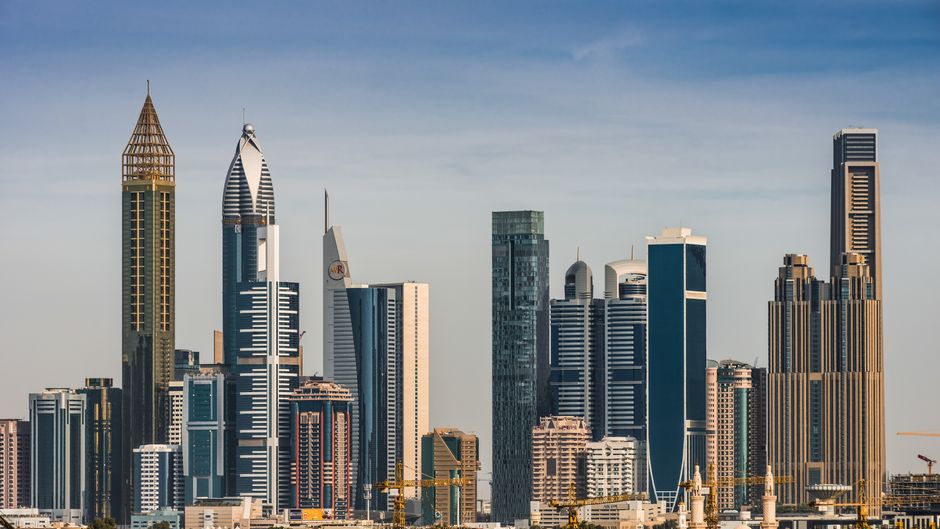
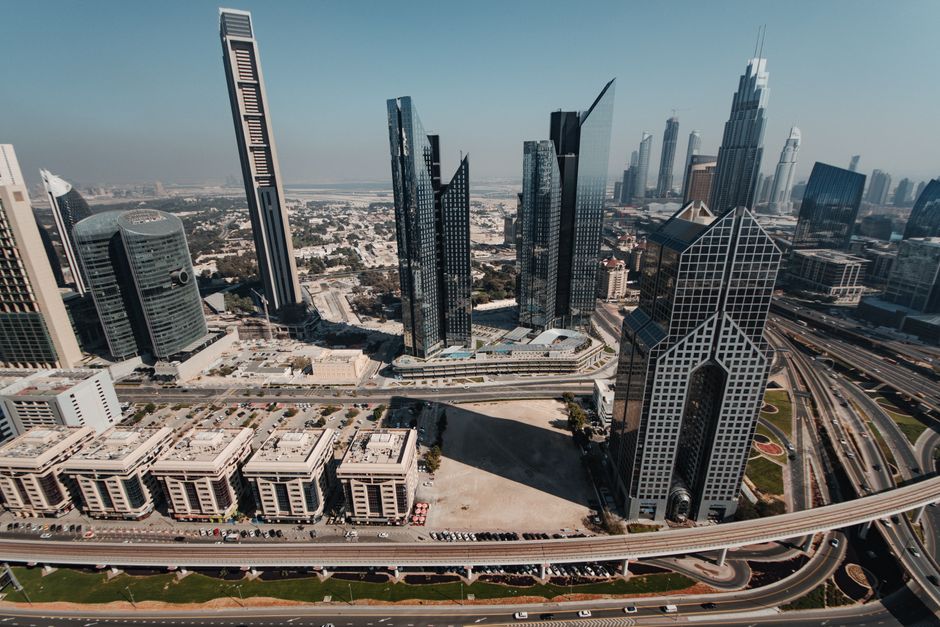
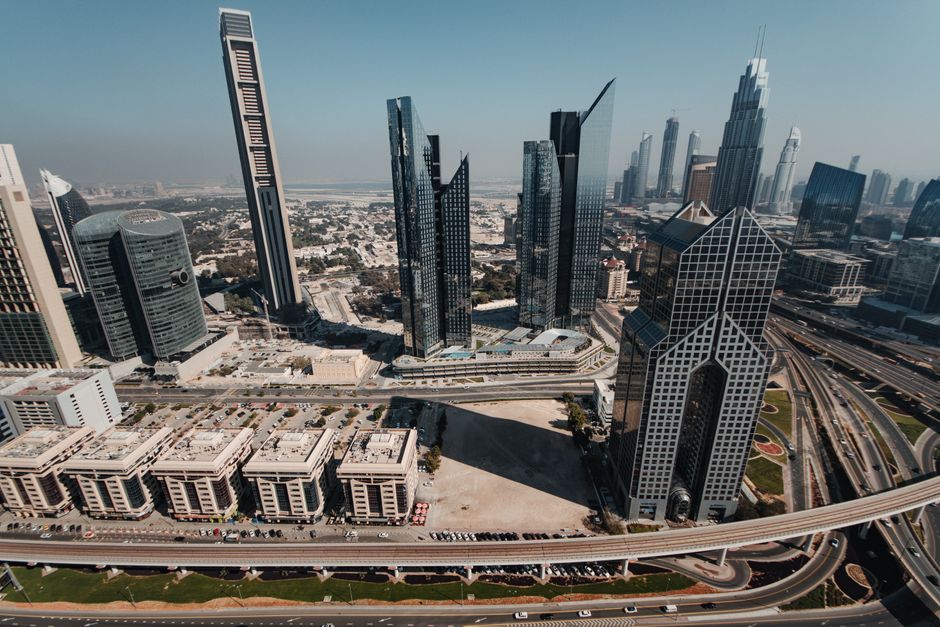
The Dubai Police Department's operational footprint spans 4,114 square kilometres, from the bustling thoroughfares of Sheikh Zayed Road to the residential sprawl of Arabian Ranches and the commercial clusters of Jebel Ali. Crime statistics released earlier this year showed the emirate maintained one of the lowest violent crime rates among comparable global megacities, with reported incidents down 3.2 per cent compared to 2024.
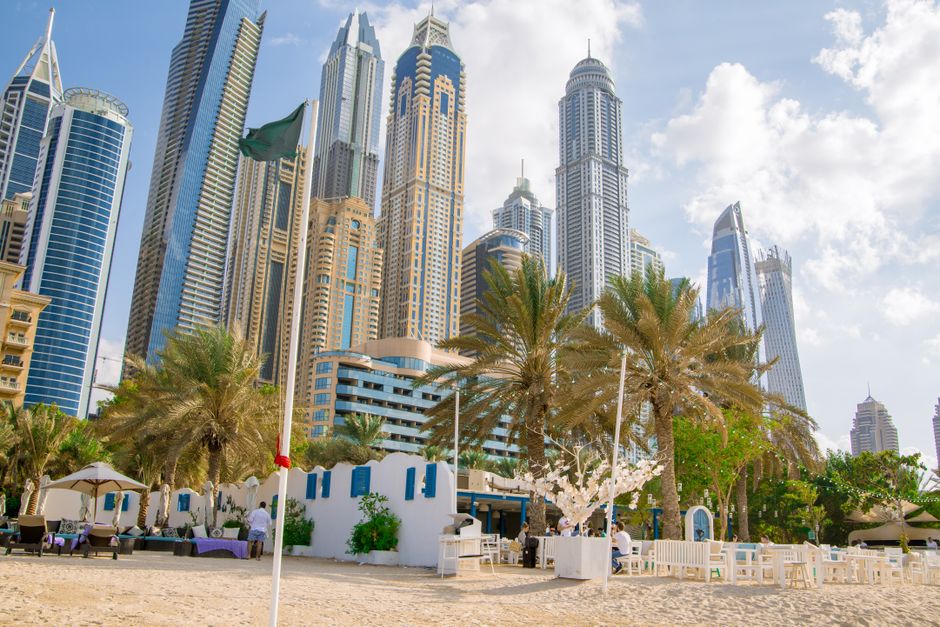
Dr. Khalifa Al Mazrouei, commander of Dubai's General Department of Criminal Investigations, has consistently attributed this to the emirate's "smart policing" infrastructure—a network of over 50,000 CCTV cameras integrated with artificial intelligence systems that monitor key zones including Downtown Dubai, the Marina, and Business Bay. This density of surveillance is considerably higher than comparable cities; New York has roughly 15,000 publicly documented CCTV cameras across a vastly larger area.
The contrast is striking when measured against recent global developments. Venezuela continues reeling from devastating violence following seismic aftershocks that left emergency services overwhelmed. Germany faces urgent questions about security protocols after the shooting at a community centre in a major city. Meanwhile, transnational violence spills across borders in South Asia, with Pakistan and Afghanistan reporting dozens killed in cross-border incidents.
Dubai's integrated approach combines technological surveillance with community policing initiatives. The emirate's emergency response systems—accessible via the unified 999 hotline—boast average response times of under eight minutes across the city's most populated districts. By contrast, major Western cities typically report average response times ranging from 12 to 18 minutes depending on location density.
However, Dubai's model faces its own pressures. The rapid expansion into areas like Akoya Oxygen and the northern emirates' growing urbanisation has stretched resources. Recruitment for the General Department of Public Safety reached 2,800 new personnel last year alone, highlighting the scalability challenges even successful systems face.
International delegations from Singapore, Abu Dhabi, and several European cities have visited Dubai's command centres to study the operational framework. Yet experts caution that Dubai's success cannot be directly replicated elsewhere without considering the emirate's unique governance structure, investment capacity, and demographic composition.
As global cities search for solutions to escalating violence, Dubai's integrated security model—imperfect as any system remains—offers evidence that technological innovation, strategic deployment, and community engagement can collectively work to maintain public safety at scale.
This article was compiled by AI from the sources linked above and screened before publishing. See our editorial standards.