Dubai's Officials Chart Course on Housing Affordability: What City Leaders Are Saying About the Crisis
Senior government figures and urban planners weigh in on strategies to address soaring residential costs across Emirates neighbourhoods.
Senior government figures and urban planners weigh in on strategies to address soaring residential costs across Emirates neighbourhoods.
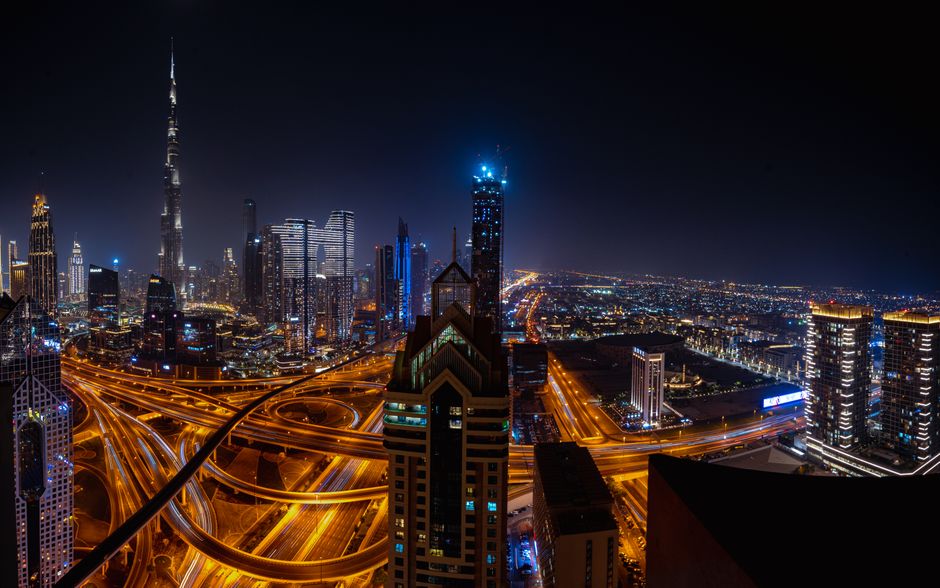
Dubai's housing affordability challenge has dominated recent discussions among municipal leaders, with officials and experts offering contrasting perspectives on solutions as median apartment prices continue their upward trajectory across key areas like Downtown Dubai, Dubai Marina, and emerging communities in Dubailand.
Speaking at the Emirates Urban Planning Forum held this week at the Dubai Municipality headquarters near Bur Dubai, senior officials acknowledged the complexity of balancing development with accessibility. Representatives from the Real Estate Regulatory Agency highlighted data showing studio apartments in Jumeirah Lake Towers now averaging 450,000 AED, while similar units in Business Bay command significantly higher premiums.
Urban development experts emphasised the importance of mixed-income residential projects currently underway in areas like Jebel Ali and South Dubai. These initiatives, they noted, represent a deliberate policy shift toward creating neighbourhoods that accommodate diverse income brackets rather than concentrating affordable housing in peripheral zones.
The Dubai Chamber of Commerce and Industry released findings suggesting that housing costs now consume approximately 28 percent of average household budgets across the emirate—a figure officials described as requiring intervention. Transportation connectivity improvements linking communities like Arabian Ranches to employment hubs in DIFC were cited as potential cost-reduction mechanisms by reducing commute expenses.
Local government representatives also discussed the expanded role of government-backed housing schemes, with expanded eligibility criteria being considered for Emirati citizens and longstanding residents. Officials stressed that any policy modifications would prioritise transparency and merit-based allocation systems.
Industry observers pointed to regulatory reforms announced earlier this year affecting property registration fees and transaction timelines. These changes, implemented through the Dubai Land Department, were designed to reduce friction in the residential market while maintaining oversight standards.
Environmental sustainability emerged as an unexpected focal point, with planners advocating for higher-density developments in well-serviced neighbourhoods rather than sprawl toward outlying areas. This approach, they argued, would simultaneously address housing scarcity and reduce infrastructure costs—benefits that could eventually translate into more competitive pricing.
However, experts cautioned against expecting rapid solutions. Construction timelines, financing frameworks, and international investor participation all influence housing supply. Officials indicated that comprehensive affordability improvements would likely materialise over five to seven-year horizons rather than through immediate intervention.
The conversation reflects Dubai's broader challenge: maintaining its position as a global business hub while ensuring residential accessibility for its expanding workforce and established communities.
This article was compiled by AI from the sources linked above and screened before publishing. See our editorial standards.
How does this story make you feel?
Spread the word
About this article
Published by The Daily Dubai
Daily brief
Free, in your inbox before 7am. Weekdays.
More in News