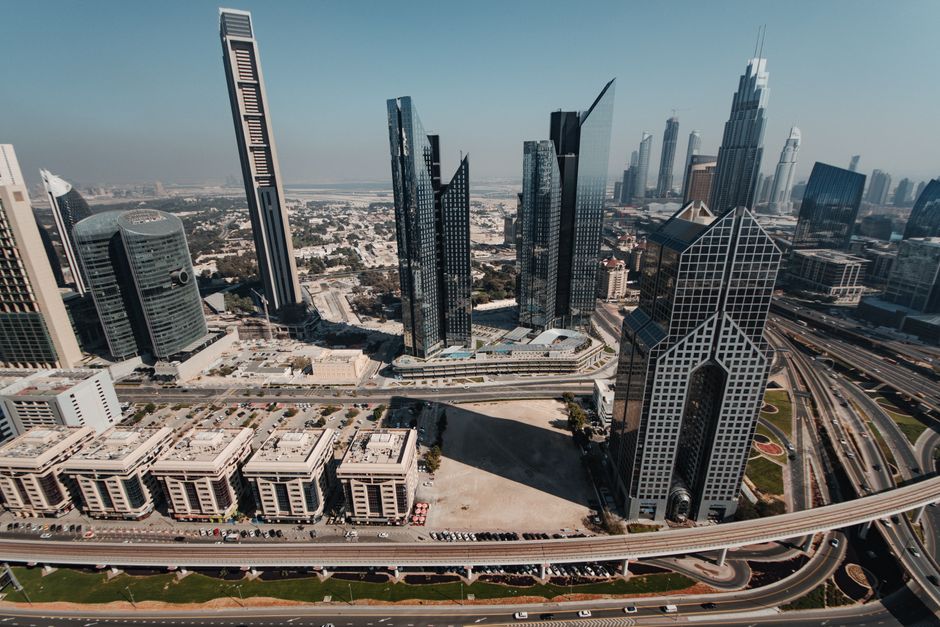
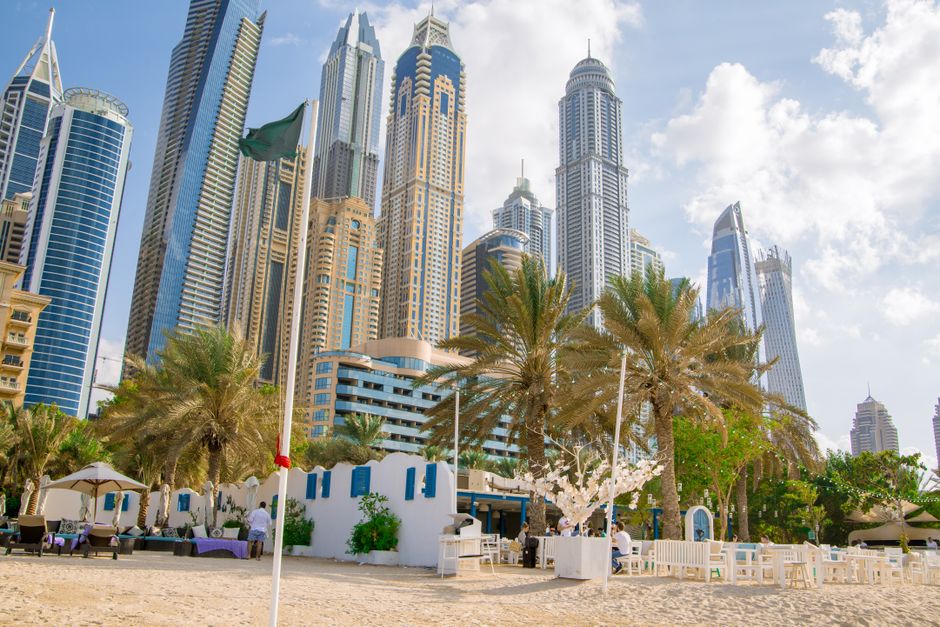
As migration crises grip nations from Germany to Venezuela, Dubai finds itself in an unusual position: a sprawling metropolis where nearly nine in ten residents were born elsewhere, yet maintains relative stability through deliberate policy and infrastructure investment that far exceeds peer cities globally.
The contrast is stark. While Toronto and London grapple with housing shortages that have ignited political backlash against immigration, Dubai's government-coordinated approach has produced purpose-built communities like Arabian Ranches and Jumeirah Village Circle, offering rental units across multiple price points. A two-bedroom apartment in JVC averages 110,000 AED annually—undercutting comparable Toronto neighbourhoods by 30 percent, according to recent property analysts.
"The scale of our operations is different," explains the institutional framework here. Dubai's free zones have attracted 15,000+ companies, creating employment pathways that bypass traditional visa bottlenecks plaguing cities like London and Sydney. The TECOM district alone houses over 2,000 firms, many explicitly recruiting internationally. This contrasts sharply with Europe's fragmented approach, where Germany's recent integration struggles highlight the cost of uncoordinated labour policies.
Yet success remains conditional. Community leaders in Deira and Bur Dubai acknowledge invisible hierarchies: skilled expatriates in Marina towers enjoy vastly different experiences than blue-collar workers in Sonapur labour camps. Organisations like the Dubai Foundation for Community Welfare have expanded outreach, but critics note the absence of explicit multicultural dialogue platforms comparable to Toronto's established neighbourhood integration programs or Singapore's Community Harmony initiatives.
Healthcare and education present Dubai's clearest advantages. The emirate's 40+ private hospitals serve multilingual patient populations through structured protocols. International schools—50+ institutions across Dubai—offer curricula reflecting the demographic reality. This contrasts with London's stretched NHS and Australia's education equity gaps.
But the city's transience poses unique challenges absent elsewhere. Average expatriate tenure remains 4-6 years, compared to 12+ years in established immigration destinations. This churn tests social cohesion mechanisms. Community centres in Al Manara and Oud Metha run structured integration programs, yet neighbourhood formation lags behind decades-old immigrant enclaves in North America or Europe.
Global observers increasingly view Dubai as a working experiment: integration through employment certainty and service provision rather than citizenship pathways. As populist anti-immigration movements spread across developed nations, the emirate's pragmatic model—neither assimilationist nor purely transactional—offers an intriguing alternative. Whether it proves sustainable at scale remains the defining question.
This article was compiled by AI from the sources linked above and screened before publishing. See our editorial standards.