Dubai's sustainability ambitions are no longer just rhetoric—they're quantifiable. With the emirate targeting net-zero emissions by 2050, a closer examination of the data reveals a city in genuine transition, though questions remain about whether current momentum matches the scale of the goal.
The numbers are striking. The Mohammed bin Rashid Al Maktoum Solar Park, sprawling across 77 square kilometres in Seih Al Dahal, now generates 1,050 megawatts of power—enough to supply electricity to approximately 210,000 homes. By 2030, the facility aims to produce 5,000 megawatts, representing a fivefold expansion that would position it among the world's largest concentrated solar complexes. Investment in the project exceeds AED 50 billion, underscoring the financial commitment behind the vision.
Water consumption tells another story. Dubai's per capita water usage stands at approximately 550 litres daily—nearly double the global average of 300 litres—though desalination plants now account for 99.5 per cent of the emirate's freshwater supply. The Jebel Ali and Al Taweelah desalination facilities have reduced reliance on groundwater extraction by an estimated 85 per cent since 2015, a measurable victory in a water-scarce region.
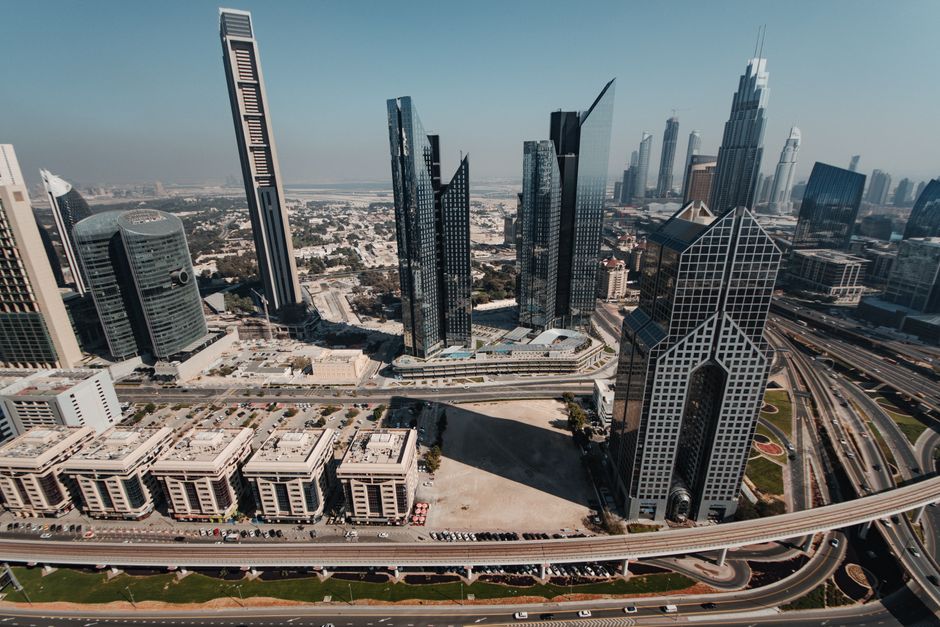
Green building certifications have accelerated. As of mid-2026, approximately 3,200 buildings in Dubai hold LEED or Estidama certifications, up from just 340 in 2015—a tenfold increase that signals broader market adoption of sustainable construction practices. Commercial real estate in areas like Downtown Dubai and Business Bay increasingly meets stringent environmental standards, with energy consumption in certified buildings typically 20-30 per cent lower than conventional structures.
Waste management data presents a more complex picture. Dubai diverts approximately 92 per cent of municipal waste from landfills through recycling and energy recovery, ranking among the highest globally. Yet absolute waste generation continues climbing, reaching 29 million tonnes annually—a reflection of population growth and consumption patterns that outpace efficiency gains.
Transportation electrification remains nascent. Electric vehicles represent merely 2.3 per cent of Dubai's registered vehicles, though the figure has doubled since 2023. The Roads and Transport Authority's target of 40 per cent EV adoption by 2050 suggests gradual rather than rapid transformation, leaving significant emissions from the transport sector largely unaddressed in the near term.
These statistics illuminate Dubai's sustainability journey: genuine investment and measurable achievements coexist with the uncomfortable reality that incremental improvements may prove insufficient for climate targets. The data suggests ambition, but whether execution will match aspiration remains the critical question.
This article was compiled by AI from the sources linked above and screened before publishing. See our editorial standards.