As cities from Berlin to Bogotá face escalating public safety challenges, Dubai has quietly engineered one of the world's most effective crime prevention systems—a distinction that extends far beyond headline statistics.
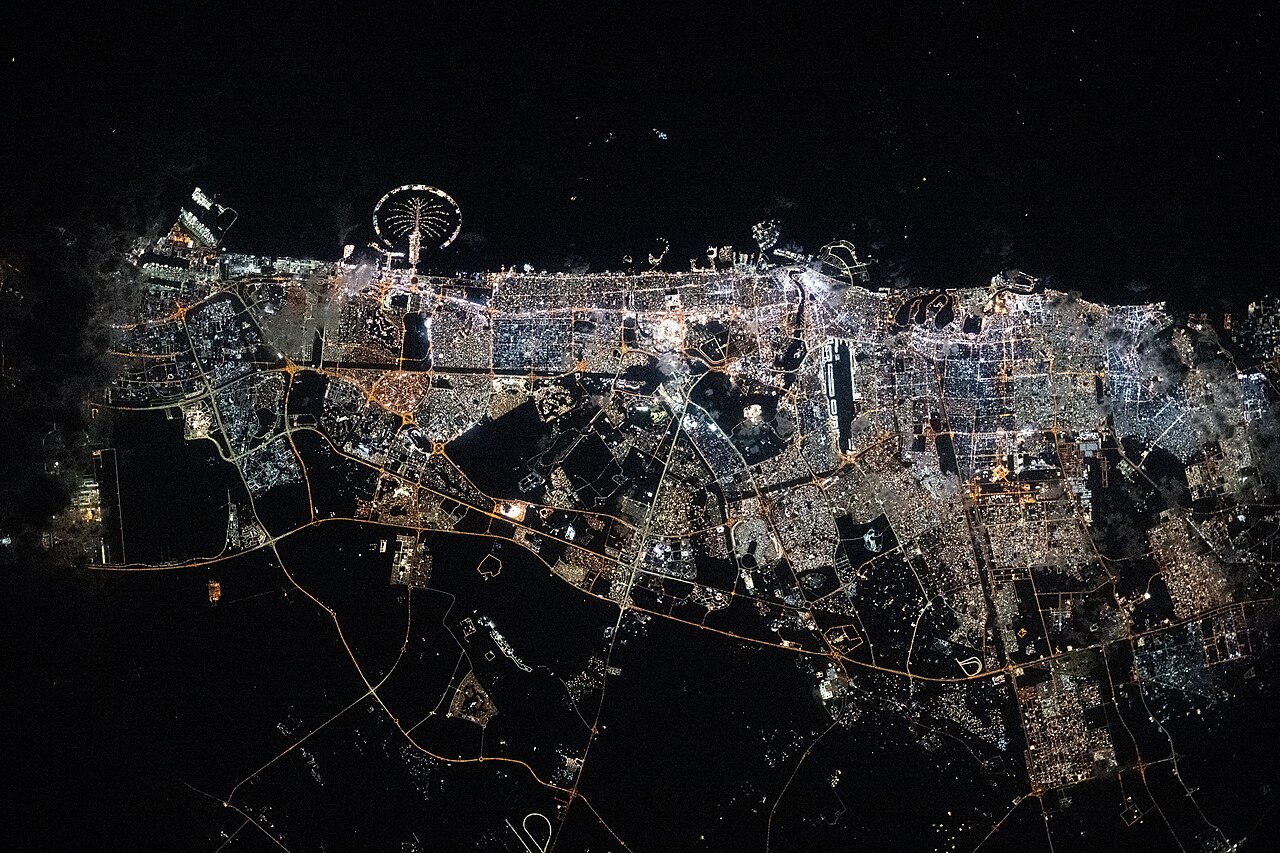
Recent global incidents underscore the challenge. Mass shootings in European capitals, gang violence in major American cities, and civil unrest across developing nations have stretched emergency services thin. Yet Dubai's approach offers a contrasting model. The Dubai Police Department, which operates across 4,500 square kilometres of urban and suburban territory, maintains response times averaging under four minutes—a benchmark that outperforms London, Singapore, and New York, where average response times range from 7 to 12 minutes.
The difference lies in technological integration. Dubai's Integrated Command and Control Centre, located near Deira, coordinates real-time data from over 13,000 CCTV cameras deployed across Business Bay, Downtown Dubai, the Marina, and surrounding neighbourhoods. This network feeds artificial intelligence algorithms that flag suspicious activity before incidents escalate. Compare this to Los Angeles or Toronto, where camera coverage remains fragmented across municipal districts with limited cross-jurisdiction integration.
Dr Jamal Al Jalaf, former commander of Dubai Police's operations division, has highlighted how predictive policing algorithms have reduced street crime by concentrating patrols where data suggests incidents are likely. The model has attracted interest from Hong Kong and Abu Dhabi authorities seeking similar frameworks.
Emergency medical response tells a similar story. Dubai's Civil Defence operates 28 fire and rescue stations strategically positioned so that no location in the city lies more than 4 kilometres from response units. With over 2,500 trained personnel, the service handles approximately 400,000 emergency calls annually. By comparison, cities like Mumbai serve populations twice Dubai's size with proportionally fewer resources, forcing response times to frequently exceed 20 minutes in outlying areas.
Public safety investment reflects these priorities. Dubai's annual security budget exceeds AED 15 billion, representing roughly 12 percent of the emirate's total government spending. While this seems high, it's comparable to spending-per-capita in Singapore and Singapore's investment has yielded consistently low crime rates—a model Dubai emulates.
The system isn't without challenges. Crime does occur. Car thefts, burglaries, and fraud cases reported in 2025 remained in line with other global metropolises. But the integrated approach—combining technology, personnel deployment, and inter-agency coordination—creates preventive pressure that reactive systems in many international cities struggle to match.
As urban crime becomes increasingly transnational, Dubai's willingness to invest in seamless coordination offers a template for global cities still operating fragmented emergency responses.
This article was compiled by AI and screened before publishing. See our editorial standards.