From Desert Excess to Green Vision: How Dubai's Sustainability Journey Unfolded
Two decades of rapid development prompted a fundamental reckoning with environmental costs, reshaping how the emirate approaches urban planning, energy and waste.
Two decades of rapid development prompted a fundamental reckoning with environmental costs, reshaping how the emirate approaches urban planning, energy and waste.
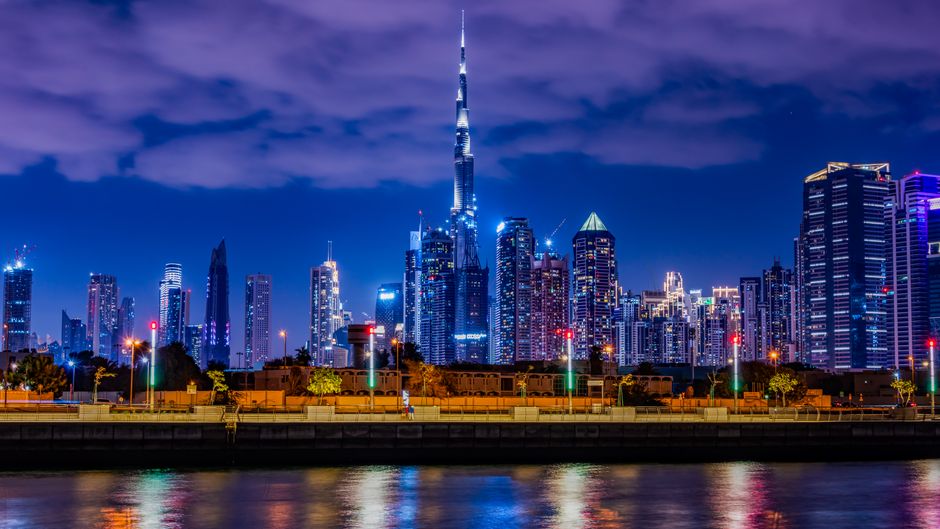
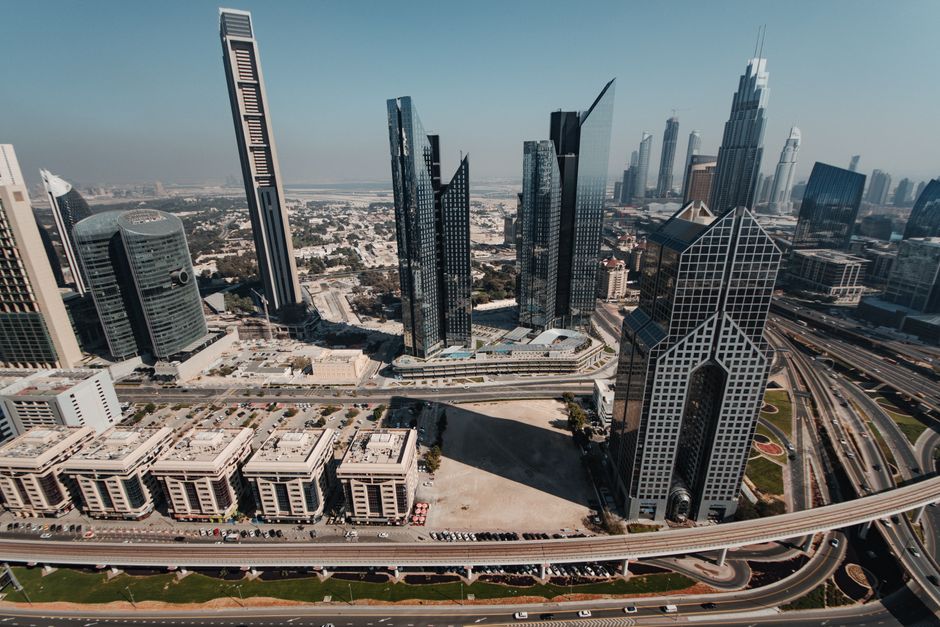
Dubai's transformation into a global sustainability leader wasn't inevitable—it was born from necessity and self-reflection. For much of the 1990s and 2000s, the emirate pursued aggressive expansion with limited environmental guardrails. Palm Jumeirah, the World islands, and sprawling villa communities in Arabian Ranches consumed vast tracts of coastline and desert. Water consumption per capita soared to among the world's highest, while carbon emissions surged alongside the construction boom.
By the mid-2010s, the reality became impossible to ignore. Dubai's desalination plants were straining under demand. The Arabian Gulf's marine ecosystems showed visible stress. Urban heat island effects made summer temperatures in Downtown Dubai and Deira regularly exceed 50°C, with cooling costs consuming roughly 60 percent of household electricity bills.
The turning point came incrementally. The 2015 Paris Climate Agreement pushed the UAE government to establish its Clean Energy Strategy 2050, committing to sourcing 44 percent of electricity from clean energy by 2050. For Dubai specifically, this meant reconsidering everything from building codes to transportation infrastructure.
The Sustainable City project, launched in Jebel Ali in 2017, represented the philosophical shift most tangibly. Rather than conventional development, this 46-square-kilometre master-planned community prioritized zero-waste operations, car-free zones, and on-site renewable energy. Prices reflected the premium: villas started at AED 2 million, substantially higher than comparable properties in Al Barari or Jumeirah Islands.
Public transportation investments accelerated alongside private developments. The Dubai Metro's Red and Green Lines served 609 million passengers in 2023, diverting roughly 2.8 million vehicle journeys from roads annually. The Roads and Transport Authority expanded cycling infrastructure, introducing bike lanes on Sheikh Zayed Road—once unthinkable.
Water management became particularly urgent. Recycled water now comprises 60 percent of Dubai's total water supply, up from negligible levels in 2010. The Knowledge and Human Development Authority mandated water-efficient fixtures in all new construction, reducing consumption in new builds by up to 40 percent compared to older properties.
Yet this journey reflects broader contradictions. Dubai remains water-intensive relative to global peers. The annual World Cities Climate Change Conference, held at Expo City Dubai since 2023, underscores the emirate's commitment to environmental leadership—though critics note consumption patterns haven't fundamentally shifted, merely become more efficient.
The sustainability transition, now embedded in municipal planning and corporate strategy, represents not moral awakening but pragmatic recognition: Dubai's future prosperity depends on environmental viability, not despite it.
This article was compiled by AI from the sources linked above and screened before publishing. See our editorial standards.
How does this story make you feel?
Spread the word
About this article
Published by The Daily Dubai
Daily brief
Free, in your inbox before 7am. Weekdays.
More in News