Dubai's Transport Shake-Up: What Changed This Week in Infrastructure
Major progress on the Roads and Transport Authority's expansion plans signals the emirate's continued commitment to moving millions across its expanding urban landscape.
Major progress on the Roads and Transport Authority's expansion plans signals the emirate's continued commitment to moving millions across its expanding urban landscape.
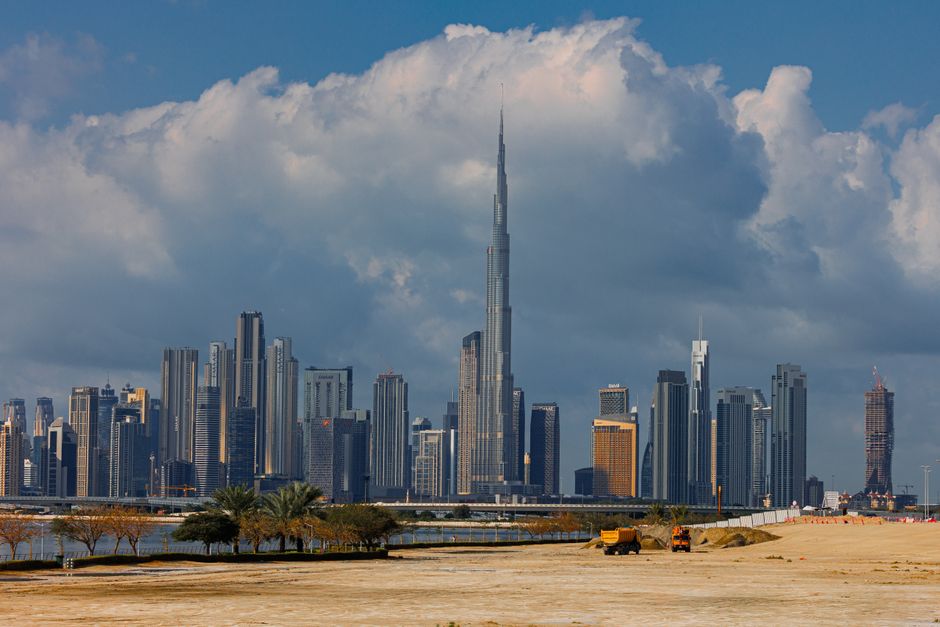
Dubai's infrastructure momentum shows no signs of slowing, with this week delivering significant milestones across the emirate's most critical transport corridors. The latest developments underscore the city's relentless push to accommodate its growing population while maintaining the seamless connectivity that defines modern Dubai.
Work on the extended metro line connecting Jebel Ali to the emerging Al Maktoum International Airport zone has reached a critical phase, with contractors completing 67% of the underground tunnel network by week's end. The project, which will eventually serve an estimated 180,000 daily commuters, represents a fundamental shift in how residents and workers access the southern sectors of the emirate. Completion is targeted for 2028, with stations planned at key nodes including the Logistics City hub and the expanding Port Rashid precinct.
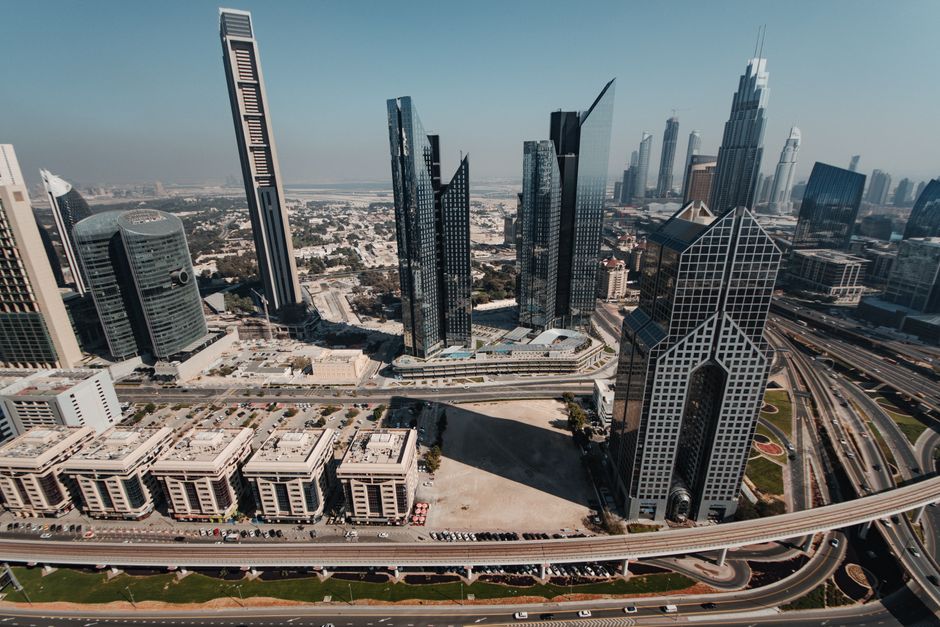
Meanwhile, the Sheikh Zayed Road corridor—still Dubai's arterial spine—underwent scheduled upgrades to its intelligent traffic management system. Authorities implemented new real-time congestion algorithms designed to reduce peak-hour bottlenecks by an estimated 12-15%. The system, which monitors flow patterns across the entire thoroughfare from Downtown Dubai to the Abu Dhabi border, now integrates data from over 800 embedded sensors.
In another development, tender documents were released this week for the long-anticipated Bus Rapid Transit system linking Deira's wholesale markets to the emerging Districts at the creek. This public-private partnership project signals a strategic focus on non-metro mobility solutions, with planners targeting completion by 2029. The route will span approximately 24 kilometres and incorporate dedicated lanes across Al Khaleej Road and Baniyas Road.
The Palm Jumeirah monorail expansion also advanced, with environmental impact assessments cleared for the extension toward Jumeirah 3. This addition will reduce travel times from the Palm to major shopping and entertainment hubs by roughly 20 minutes, addressing long-standing connectivity complaints from residents.
Perhaps most significantly for daily commuters, the Roads and Transport Authority announced completion of its feasibility study for a proposed autonomous vehicle corridor spanning Business Bay to the Dubai Silicon Oasis. If approved, this would make Dubai one of the first global cities to establish a dedicated autonomous thoroughfare, potentially launching in 2027.
These developments collectively illustrate Dubai's strategy: moving beyond traditional infrastructure paradigms toward integrated, technology-enabled transport ecosystems. As the city approaches projected populations of 4 million residents, each completed project and approved plan serves as critical groundwork for an urban future that prioritizes both scale and sophistication.
This article was compiled by AI from the sources linked above and screened before publishing. See our editorial standards.
How does this story make you feel?
Spread the word
About this article
Published by The Daily Dubai
Daily brief
Free, in your inbox before 7am. Weekdays.
More in News