Dubai's Green Ambitions Gain Momentum: This Week's Major Environmental Milestones
From expanded solar installations to new water conservation targets, the emirate continues its push toward carbon neutrality by 2050.
From expanded solar installations to new water conservation targets, the emirate continues its push toward carbon neutrality by 2050.
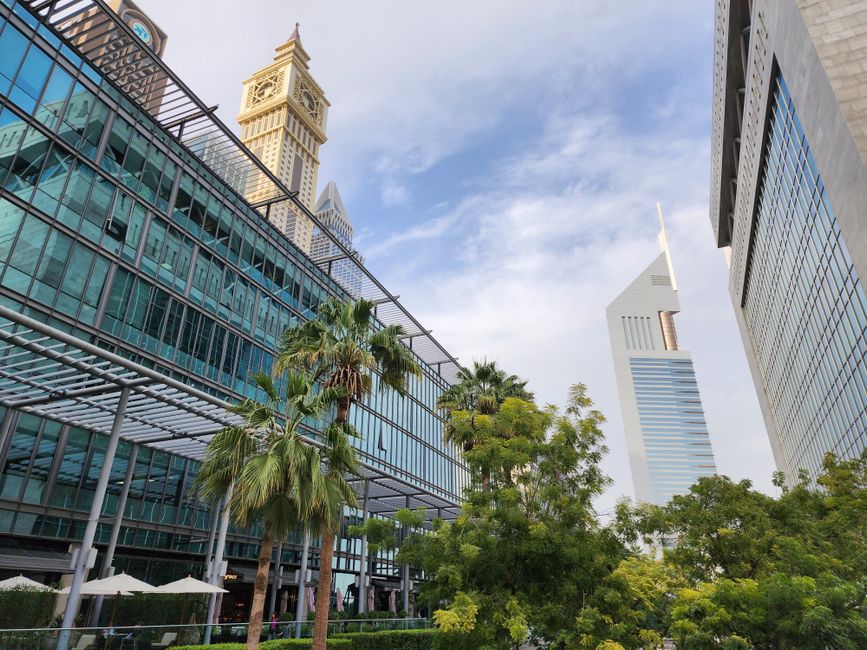
Dubai's sustainability agenda accelerated this week with several significant announcements that underscore the emirate's commitment to environmental responsibility. The developments come as the city increasingly positions itself as a regional leader in green innovation and climate action.
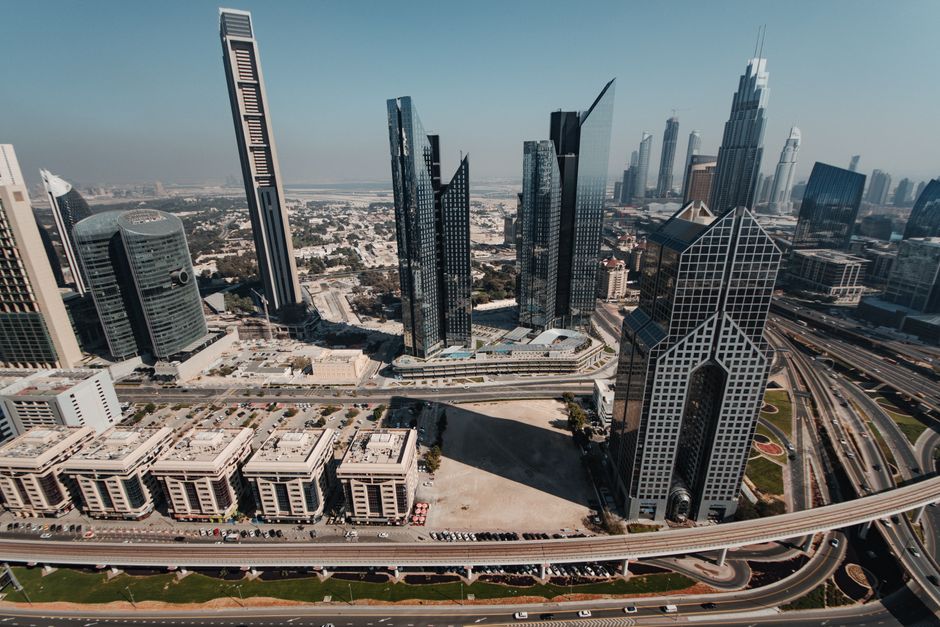
The Roads and Transport Authority confirmed completion of Phase Two of its electric vehicle charging infrastructure rollout across Business Bay and Downtown Dubai, with 47 new charging stations now operational along Sheikh Zayed Road and its arterial routes. The network, which now exceeds 350 public chargers across the city, represents a substantial increase from just 120 stations in 2023. Officials noted that EV registrations in Dubai have grown by 34 per cent year-on-year, with residents increasingly opting for hybrid and fully electric vehicles.
Meanwhile, Emaar Properties announced expanded rooftop solar initiatives across its residential and commercial portfolios in Downtown Dubai and Arabian Ranches. The developer revealed plans to install photovoltaic systems on an additional 12 properties over the next 18 months, targeting a combined capacity of 8.5 megawatts. Current installations across existing Emaar developments generate approximately 15 per cent of operational energy requirements, with ambitions to reach 25 per cent by 2028.
The Dubai Municipality released updated water conservation figures this week, reporting that per-capita consumption has declined 8 per cent compared to the same period last year, now standing at approximately 141 litres daily. The reduction reflects increased adoption of smart irrigation systems in public spaces throughout Jumeirah, Deira, and Al Baraha neighbourhoods, where soil moisture sensors have minimised landscape watering waste.
In a parallel initiative, the Dubai Supreme Council of Energy confirmed that renewable energy now accounts for 13 per cent of the emirate's total power generation, up from 11 per cent in mid-2025. The milestone reflects accelerating output from Mohammed bin Rashid Al Maktoum Solar Park in Seih Al Dahal, which is steadily progressing toward its 5-gigawatt capacity target.
These developments collectively demonstrate Dubai's multifaceted approach to sustainability—spanning transportation electrification, distributed renewable generation, and resource efficiency. While the UAE's broader 2050 Net Zero pledge remains ambitious, this week's concrete progress suggests the emirate is translating its environmental commitments into measurable action. Industry observers note that continued public-private collaboration and technological investment will be essential to maintaining momentum toward the city's carbon neutrality objectives.
This article was compiled by AI from the sources linked above and screened before publishing. See our editorial standards.
How does this story make you feel?
Spread the word
About this article
Published by The Daily Dubai
Daily brief
Free, in your inbox before 7am. Weekdays.
More in News