Dubai's transport infrastructure story is increasingly told through numbers rather than announcements, and the data paints a picture of unprecedented ambition. The recently expanded Dubai Metro Red Line now serves 49 stations across 52.1 kilometres, transporting an average of 535,000 passengers daily—a 23% increase from 2024 figures. The economic footprint is staggering: each kilometre of the expanded route cost approximately Dh2.1 billion, representing one of the world's most capital-intensive metro systems per-kilometre.
The Etihad Rail project, connecting Dubai to Abu Dhabi and ultimately Saudi Arabia, presents even starker numbers. The Phase Two expansion alone—scheduled for completion by 2030—requires an investment of Dh50 billion across 264 kilometres of track. When operational, capacity projections suggest the network will shift 36 million tonnes of cargo annually, roughly equivalent to removing 3.2 million heavy-duty trucks from UAE roads each year. For passenger services, modelling indicates 15 million annual journeys within the first five years of operation.
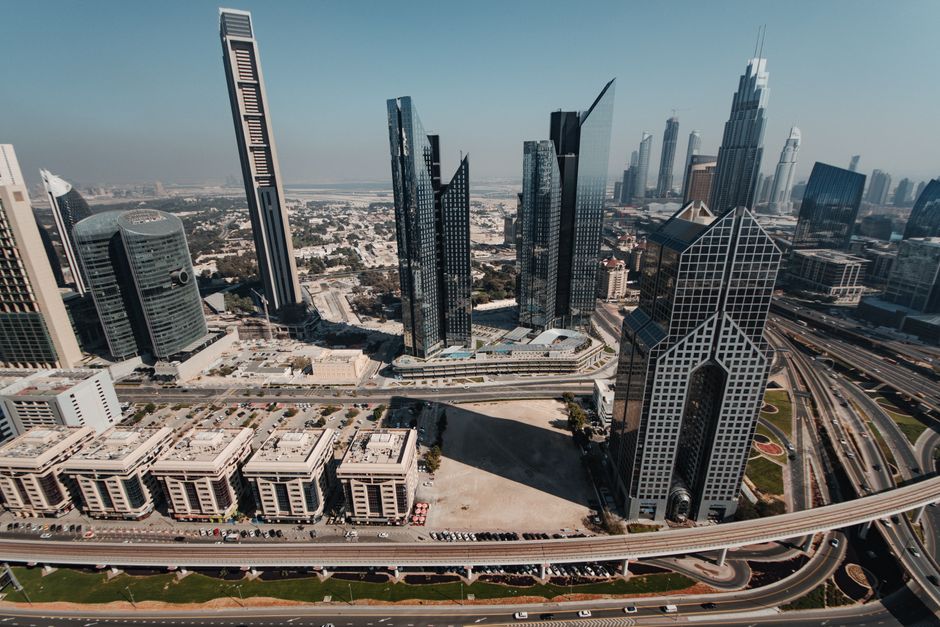
Within the urban core, the picture becomes more granular. The Business Bay to Downtown Dubai corridor, one of the highest-trafficked zones, experiences peak-hour congestion that costs the economy an estimated Dh8.7 billion annually in lost productivity. The proposed Business Bay station expansion—increasing capacity from 18,000 to 34,000 daily commuters—addresses this directly, though the Dh3.2 billion project won't be complete until 2028.
Real estate valuations tell another data story. Properties within 500 metres of new or expanded transport nodes command premiums averaging 12-18% above comparable locations further afield. A Dh1.2 million apartment in Deira near the Metro Red Line Extension now trades at comparable valuations to Dh1.4 million units in areas like Jumeirah lacking direct transit access—a shifting calculus that developers closely monitor.
Looking forward, the statistics suggest acceleration rather than consolidation. The Roads and Transport Authority projects that completing the planned network improvements will accommodate 2.4 million additional daily journeys across all modes by 2035, while reducing transport-related carbon emissions by 31%. Current plans allocate Dh127 billion toward transport infrastructure through 2030, with 64% directed toward rail and metro expansion.
These numbers matter because they reveal how a city manages growth. Dubai's transport data doesn't merely document projects—it articulates how urban planners quantify ambition, distribute resources, and attempt to shape the behaviour of 3.8 million residents moving through one of the world's most densely concentrated commercial zones.
This article was compiled by AI from the sources linked above and screened before publishing. See our editorial standards.