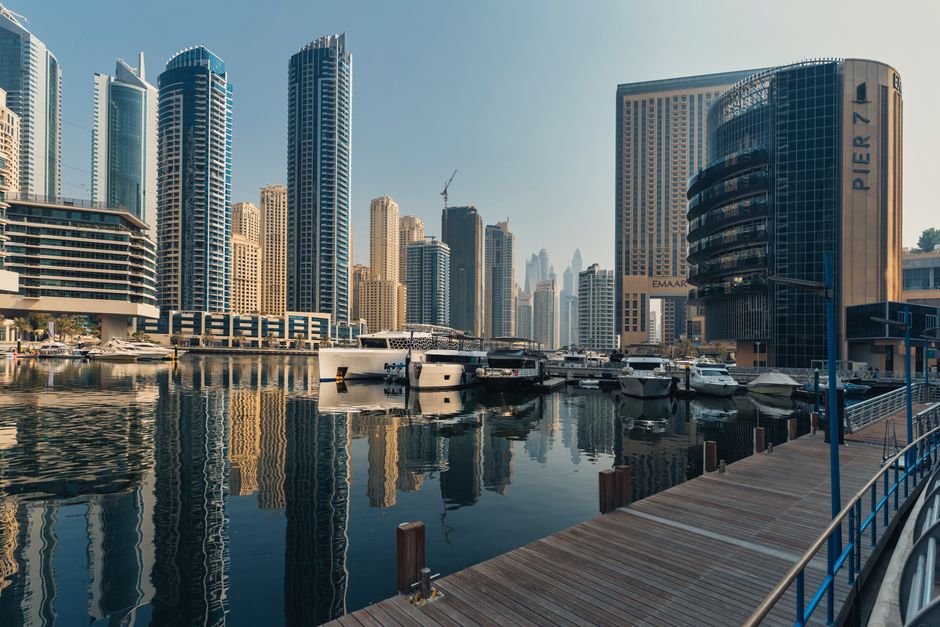
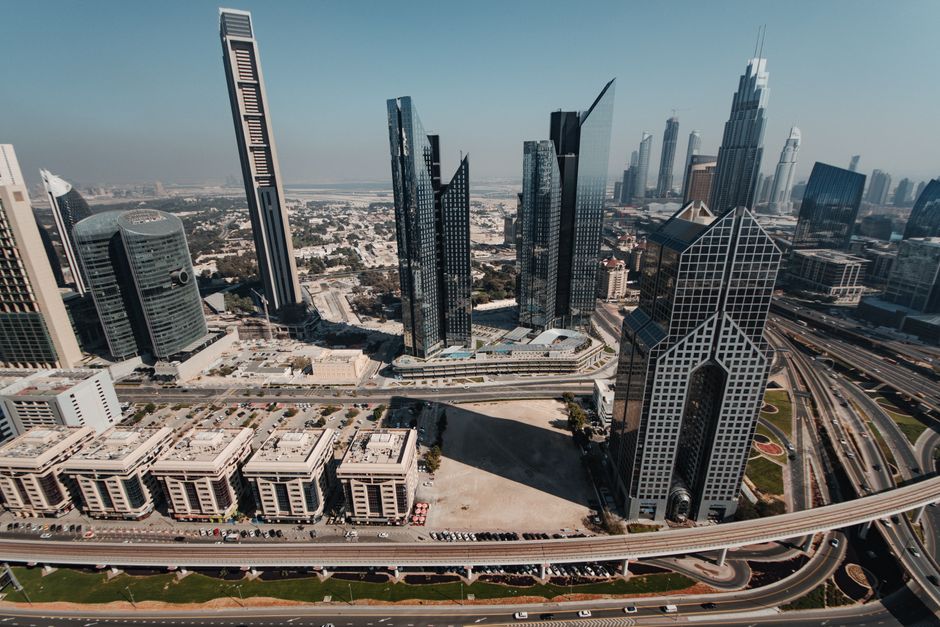
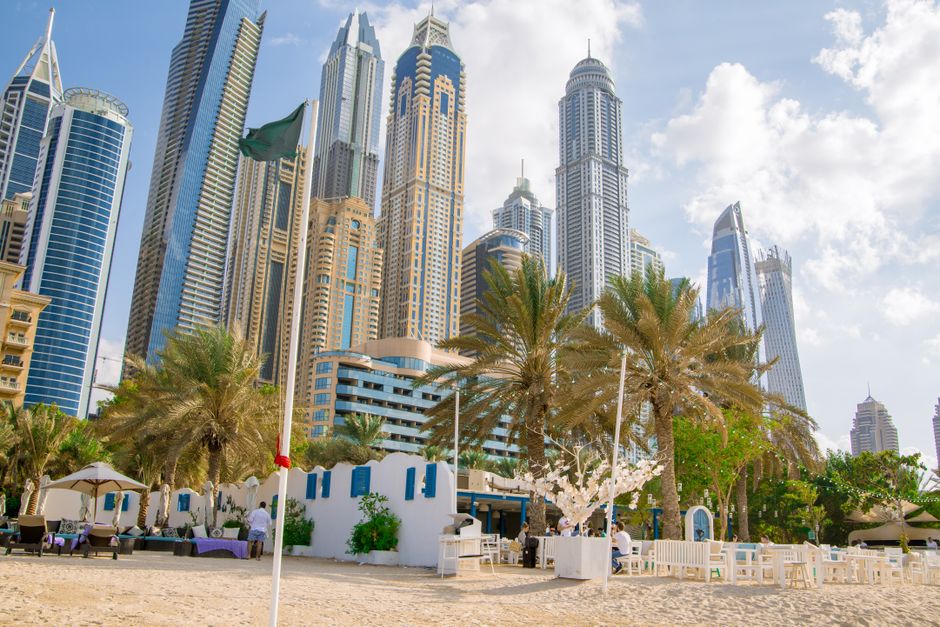
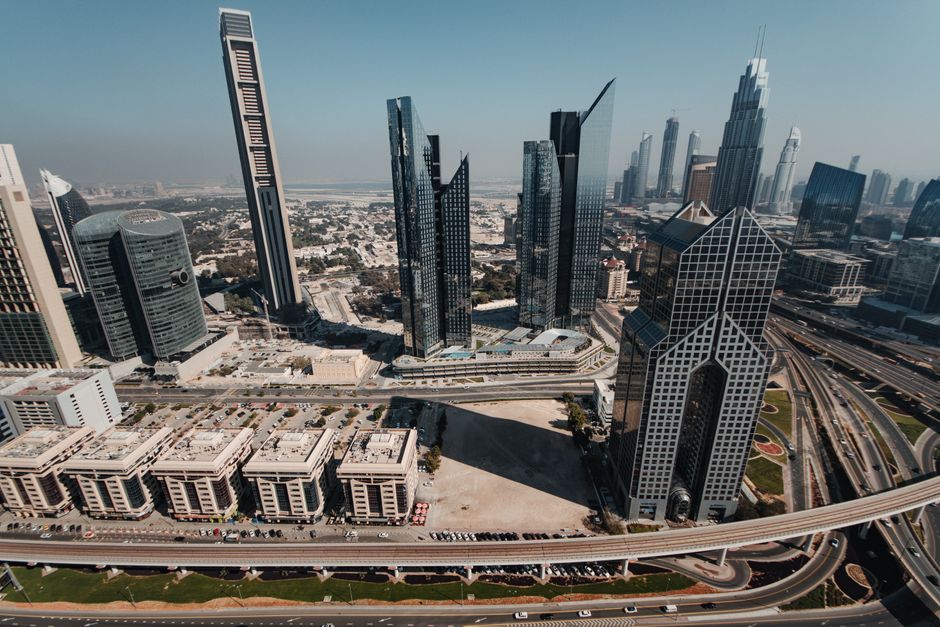
The decision facing Rajesh Kumar, a construction supervisor working in Deira, mirrors a larger crossroads confronting Dubai's migrant workforce. After eight years building residential towers across New Dubai, he must now choose: accept a lower-paid contract under new visa conditions, invest in property ownership to secure long-term residency, or return to India before his current permit expires in December.
"Everyone is calculating their next move," Kumar says, reflecting sentiment shared across labour camps in Sonapur and industrial zones near Jebel Ali. This moment—defined by regulatory shifts, mounting housing costs, and evolving residency pathways—represents perhaps the most consequential juncture for Dubai's expat population since the 2008 financial crisis.
The trigger: recent amendments to UAE labour law and the introduction of tiered residency categories that distinguish between skilled professionals, mid-level workers, and service sector employees. While white-collar expats in Marina and Downtown Dubai contemplate new mortgage-linked residency options (villa prices averaging 3.5 million dirhams, apartment rents pushing 150,000 dirhams annually), manual workers face narrower choices.
Organizations like the Philippine Consulate in Dubai and the Indian Workers' Association report increased consultations about contract negotiations, pension portability, and return-home financial planning. The Indian consulate processed 34,000 visa-related queries in the first half of 2026—a 23 percent increase over the same period last year.
Key decisions loom for several constituencies. Skilled expatriates must evaluate whether the new permanent residency pathway—requiring property investment or professional credentials—justifies staying. Mid-level workers face pressure to upgrade qualifications or accept lateral moves. For service workers, the timeline is tighter: accepting modified terms or exploring Gulf alternatives in Qatar and Saudi Arabia, where competing labour recruitment intensifies.
Government announcements suggest more clarity is forthcoming. The General Human Resources Authority indicated additional policy guidance arriving by September, potentially addressing pension portability and family sponsorship thresholds—variables that could sway hundreds of thousands toward retention or departure.
Meanwhile, housing pressure compounds uncertainty. Real estate agents in Business Bay report accelerated interest from expats seeking purchase pathways to secure residency, while labour economists warn that sudden departures could create skills gaps in healthcare, construction, and hospitality sectors that employ nearly 1.8 million expatriates across the emirate.
For Dubai's multicultural fabric—woven by approximately 85 percent non-Emirati population—the next six months will determine whether the city retains its established migrant communities or experiences generational turnover that reshapes neighbourhoods, workplaces, and the broader economic ecosystem.
This article was compiled by AI from the sources linked above and screened before publishing. See our editorial standards.