By the Numbers: What Dubai's Latest Housing Data Reveals About Urban Planning Strategy
Fresh statistics on residential supply, affordability metrics and zoning expansion show how the emirate is recalibrating its approach to sustainable growth.
Fresh statistics on residential supply, affordability metrics and zoning expansion show how the emirate is recalibrating its approach to sustainable growth.
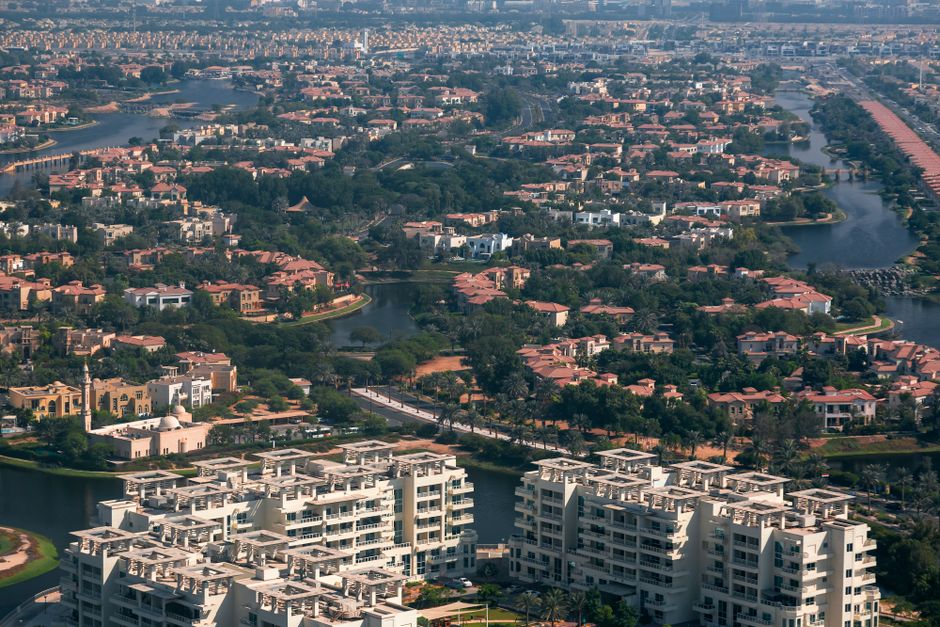
Dubai's real estate landscape is undergoing a measurable shift. According to data compiled by the Real Estate Regulatory Agency, residential unit completions across the emirate reached 28,400 units in 2025—a 19 percent increase from the previous year. Yet the numbers tell a more nuanced story than simple expansion: they reveal deliberate policy choices reshaping where and how the city builds.
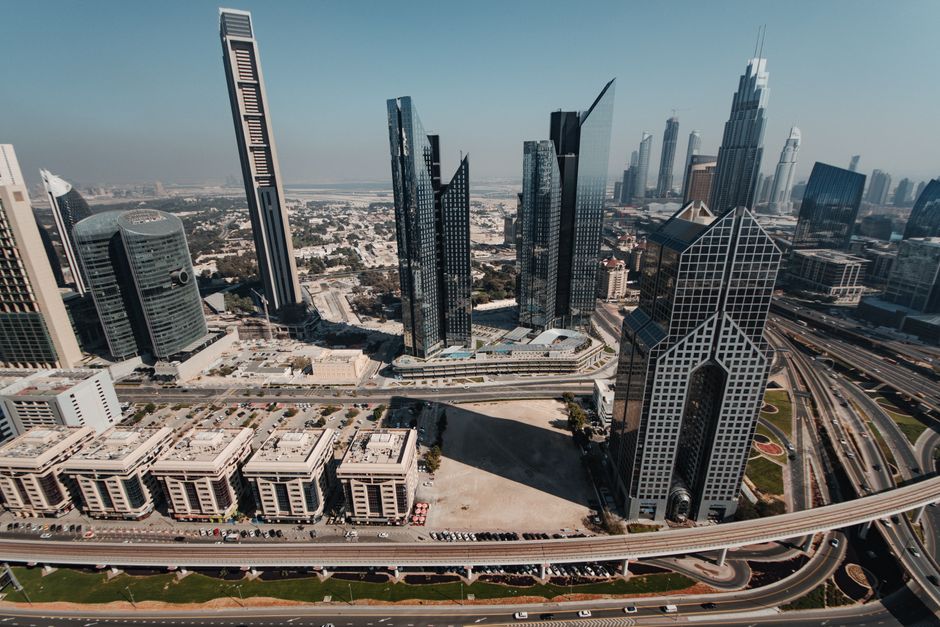
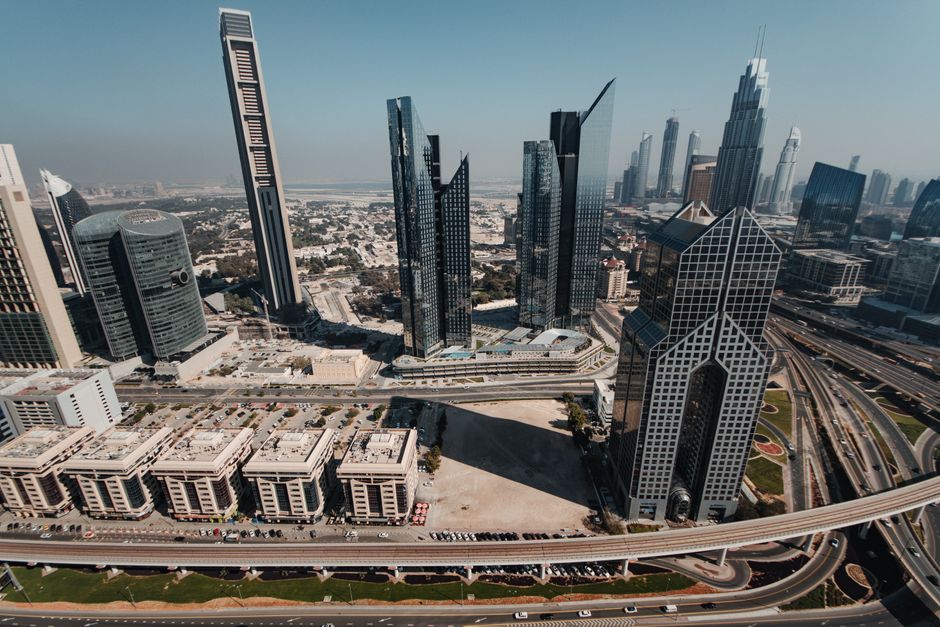
The downtown core, historically the emirate's primary development engine, accounted for just 12 percent of new completions this year. Instead, 34 percent of new housing emerged in secondary nodes like Sobha Hartland, Arabian Ranches 3, and Emaar South—developments positioned between 25 and 40 kilometres from the Sheikh Zayed Road corridor. Urban planners point to these figures as evidence of a conscious decentralisation strategy, spreading demand across the wider metropolitan area.
Affordability metrics paint another revealing picture. The median property price per square metre in established areas like Downtown Dubai and DIFC hovered around 14,500 AED in mid-2026. In newly zoned peripheral areas such as Dubai South and the Jebel Ali industrial expansion zones, comparable units traded between 6,800 and 9,200 AED per square metre—a 40 to 53 percent discount. This price differential has driven demographic shifts: first-time buyers represented 31 percent of purchasers in peripheral zones versus 18 percent downtown.
Population density data further illustrates planning priorities. The Dubai Municipality's latest zoning framework permits density ratios of 2.8 floor-area-ratio in established residential neighbourhoods like Al Safa and Jumeirah, but authorises 4.2 FAR in designated mixed-use precincts near Mohammed Bin Rashid City and the expanded Deira waterfront. These technical thresholds translate into tangible outcomes: mid-rise residential clusters are replacing lower-density villa enclaves in strategic transition zones.
Infrastructure investment figures underscore the planning logic. The Roads and Transport Authority allocated 8.7 billion AED to metro extension and bus rapid transit corridors serving peripheral developments in its 2026-2028 capital plan—a 34 percent increase from the previous cycle. Simultaneously, parking requirements in new downtown projects dropped from 1.2 spaces per unit to 0.8, reflecting assumptions about congestion and modal shift.
These interconnected data points—supply distribution, pricing stratification, density zoning, and transport investment—reveal Dubai's housing policy operating as a coordinated system rather than opportunistic development. Whether the numbers validate long-term sustainability or mask affordability challenges remains contested, but the statistical architecture underlying recent decisions is clear.
This article was compiled by AI from the sources linked above and screened before publishing. See our editorial standards.
How does this story make you feel?
Spread the word
About this article
Published by The Daily Dubai
Daily brief
Free, in your inbox before 7am. Weekdays.
More in News