Dubai stands at a pivotal moment in its infrastructure evolution. Three major transport and urban development projects have reached stages where strategic decisions made in the coming months will fundamentally reshape how residents and visitors navigate the emirate for the next decade.
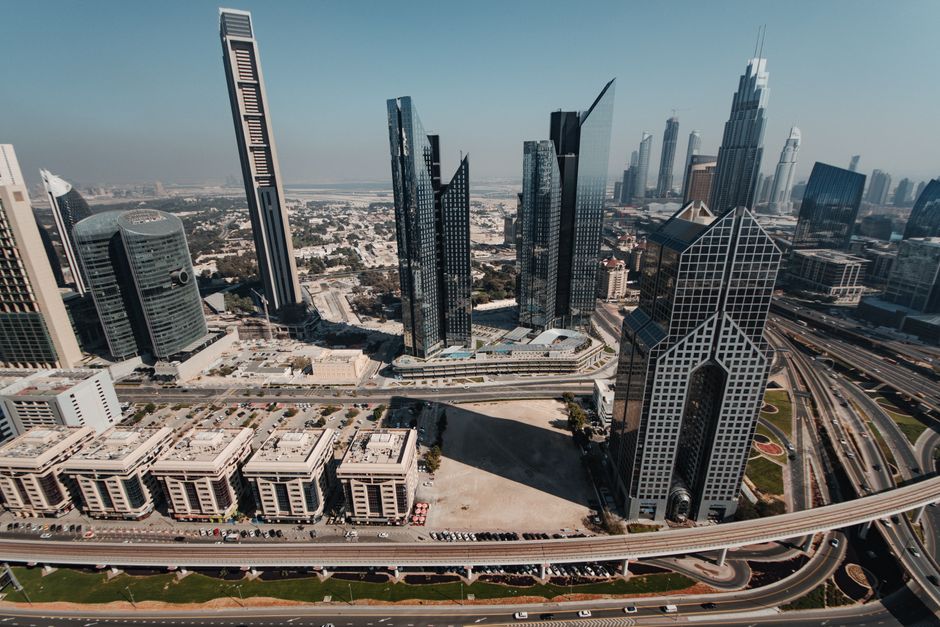
The most pressing decision concerns the Etihad Rail network's final phase into Downtown Dubai. The project, originally scheduled for completion in 2027, now faces a critical junction: whether to route the terminus near the Burj Khalifa precinct or extend it further towards the Al Khaleej neighbourhood. The choice carries enormous implications for congestion patterns across Sheikh Zayed Road, currently handling approximately 300,000 vehicles daily during peak hours. A Downtown terminus would alleviate pressure on the F11 interchange but risks overwhelming pedestrian infrastructure around the Fountain and Dubai Mall. Industry sources suggest the Roads and Transport Authority is leaning toward the extended route, though environmental impact assessments are still pending.
Meanwhile, the expansion of the Dubai Metro's Red Line towards Jebel Ali faces its own crossroads. The AED 50 billion question: do planners prioritize residential communities like Jumeirah Village Circle, or redirect focus toward Port Rashid and industrial zones? Each option serves different demographic needs. Residential expansion would serve the 180,000-plus residents already living in JVC, while the port option strengthens cargo logistics—crucial given the Suez Canal's ongoing geopolitical volatility.
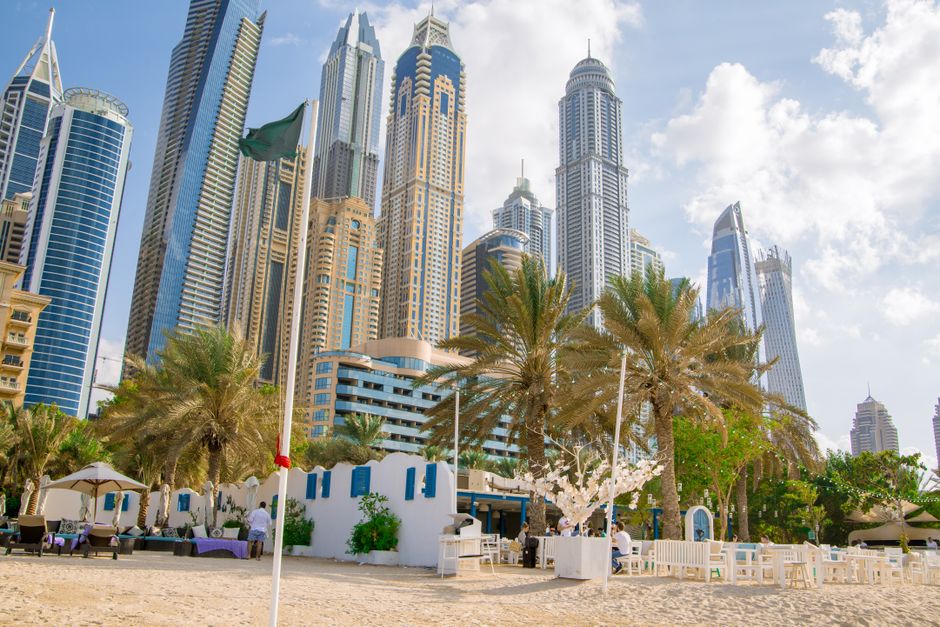
Equally consequential is the long-debated La Mer access improvements. The entertainment destination, which welcomed 15 million visitors in 2025, currently relies on the E11 and local arterial roads. The Public Works Department must decide whether to greenlight a dedicated transit corridor—potentially requiring significant property negotiations in Mina Seyahi—or upgrade existing roads at lower cost but greater disruption during construction.
Then there's the Downtown Dubai Strategic Mobility Plan, unveiled earlier this year. City planners must determine whether to implement congestion pricing on Al Manara and Mohammed bin Rashid Boulevard, introduce new tram lanes connecting the mall district to Business Bay, or pursue both simultaneously. Each carries budget implications exceeding AED 2 billion.
The Dubai Municipality, RTA, and private developers have committed to announcing key decisions by September 2026. Industry observers note that these choices will influence real estate valuations, commercial viability of emerging districts, and quality-of-life metrics for the 3.7 million residents. The decisions ahead are not merely technical—they are fundamentally strategic choices about what kind of city Dubai will be in 2031.
This article was compiled by AI from the sources linked above and screened before publishing. See our editorial standards.