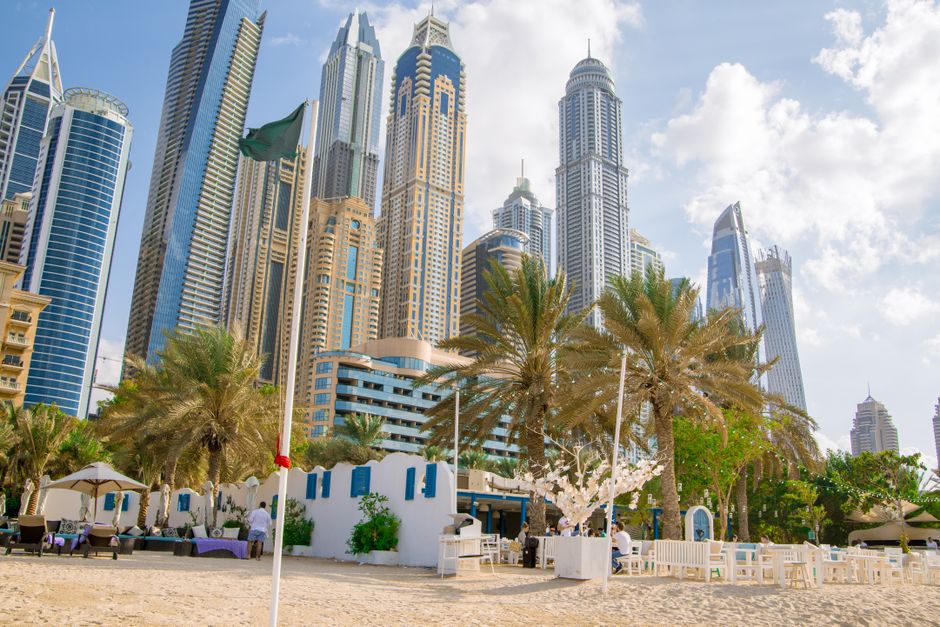
Walk along Sheikh Zayed Road in 2006, and you'd have witnessed a city consumed by expansion at almost any environmental cost. Glass towers rose without restraint. Air conditioning units hummed endlessly. Water consumption per capita soared to levels among the world's highest. Dubai was building its future, but the planet was paying the price.
That mindset has shifted dramatically. The turning point came gradually, driven by visible consequences that no marketing campaign could obscure. Rising temperatures—with summer highs consistently exceeding 50°C—began straining both infrastructure and workforce productivity. Coastal erosion threatened the Palm developments. Air quality indices regularly spiked during summer months, prompting health warnings for vulnerable populations.
The financial sector noticed first. By the early 2020s, international investors began scrutinizing Environmental, Social and Governance (ESG) metrics before committing capital to Emirati projects. Insurance premiums for developments without sustainability credentials climbed sharply. The message was unmistakable: green wasn't optional anymore—it was economically essential.
Dubai's response gained momentum through the mid-2020s. The emirate launched initiatives that transformed from tokenistic gestures into serious commitments. The Sustainable City development in Jebel Ali, once dismissed by sceptics as a marketing exercise, demonstrated that mixed-use neighbourhoods could achieve net-zero targets while remaining commercially viable. Projects like the Mohammed bin Rashid Al Maktoum Solar Park in Seih Al Dahal expanded capacity from 1,000 megawatts to over 5,000—fundamentally altering the city's energy profile.
Water desalination, historically the emirate's environmental Achilles heel, underwent radical rethinking. New reverse-osmosis facilities in Jebel Ali reduced energy consumption per cubic metre by nearly 40 percent compared to 2015 models. Wastewater recycling initiatives, particularly around Zabeel Park and Business Bay, reclaimed water that once seemed irretrievably lost.
But perhaps the most significant catalyst was demographic. A new generation of Dubai residents—many educated internationally, many prioritizing quality of life over consumption—demanded better urban planning. Property developers discovered that apartments in Al Quoz or Downtown Dubai sold faster when marketed with LEED certifications and proximity to green spaces.
Today's sustainability initiatives don't emerge from environmental altruism alone. They reflect hard-learned lessons about economic resilience, workforce attraction, and long-term viability. Dubai's shift toward genuine environmental stewardship represents not moral awakening, but pragmatic acceptance of biological reality: you cannot build endlessly on a finite planet without eventually facing the bill.
This article was compiled by AI and screened before publishing. See our editorial standards.