How Dubai's Property Portals Became Flooded With Fake Listings, And What Changed
The proliferation of duplicate and misleading property images on UAE real estate platforms triggered a regulatory reckoning years in the making.
The proliferation of duplicate and misleading property images on UAE real estate platforms triggered a regulatory reckoning years in the making.
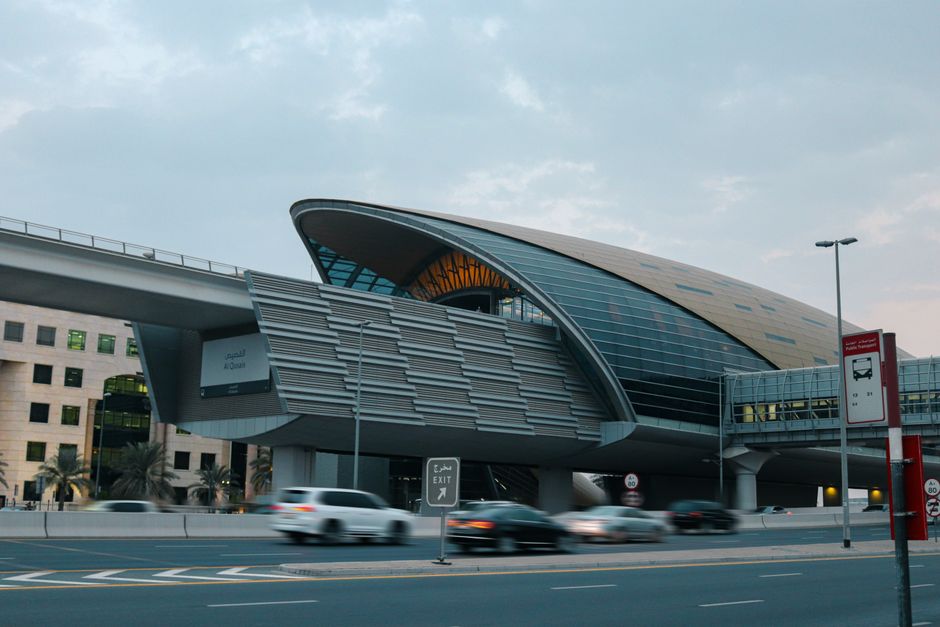
By mid-2026, the Dubai Land Department had already flagged duplicate image abuse as one of the three most cited complaints across verified listing platforms operating inside the emirate. The problem did not arrive suddenly. It built steadily over a decade of explosive inventory growth, and the path that led here runs directly through JBR beachfront towers, the off-plan corridors of Business Bay, and the resale chaos that followed Expo 2020's closure in March 2022.
Duplicate image replacement, the practice of reusing photographs from one property listing to advertise a different, often inferior or already-sold unit, became endemic as Dubai's residential market expanded faster than its verification infrastructure. Brokerages racing to fill online portals on platforms including Bayut and Property Finder recycled images across dozens of listings, sometimes showing a furnished show apartment in Downtown Dubai to market an unfurnished unit six floors below it in the same tower. Prospective tenants would arrive at a flat on Sheikh Zayed Road expecting the glass-partitioned study from the photographs and find a bare concrete box.
The mechanics were straightforward and, for years, largely unpunished. A single professional shoot of a model apartment in a development like Emaar's Creek Harbour or Damac's Safa Two could be reused across ten or twenty listings by the same agent or across competing brokerages entirely. Portals relied on brokers to self-certify listing accuracy. The Dubai Real Estate Regulatory Agency, known as RERA, required listing permits through its Trakheesi system from 2016 onward, but image verification sat outside that framework's original scope.
Trakheesi did impose permit numbers on each listing, which was a genuine structural improvement. However, a permit confirms a broker is licensed to sell or rent a unit, it does not confirm that the photographs attached to the listing actually show that unit. That gap became the loophole. Agents operating out of offices in Deira and Al Barsha ran entire books of business on recycled imagery, and prospective tenants, many of them newly arrived workers navigating a tight rental market, had little immediate recourse beyond walking away after wasting a viewing trip.
The scale of churn accelerated after 2022. Golden visa expansions brought a wave of high-net-worth arrivals who primarily searched online before physically relocating. International buyers purchasing off-plan units from Hong Kong, London, or Riyadh were wholly dependent on digital listings for their first impressions. The stakes of misleading imagery rose accordingly, and so did the complaints.
RERA introduced updated listing quality standards in late 2024, requiring brokers on approved portals to submit image metadata confirming the date and GPS coordinates of photographs. Property Finder announced its own internal AI-driven image duplication detection rollout in the first quarter of 2025, targeting listings where the same image hash appeared across more than three separate permit numbers. Bayut followed with a parallel verification layer within six months.
The Dubai Land Department's Real Estate Self-Transaction platform, known as REST, added a visual verification checkbox for landlords listing directly in early 2025, giving property owners a direct channel to flag if their unit's images had been appropriated without consent. That feature alone generated more than 1,200 flagged cases in its first eight months of operation, according to figures the DLD published in its 2025 annual real estate activity report.
For anyone still navigating the market in July 2026, the practical upshot is this: listings on Bayut and Property Finder carrying a blue Verified badge have undergone an in-person inspection by a portal-employed agent within 30 days of publication. Renters should request the Trakheesi permit number independently and cross-check listing images against the DLD's REST portal before committing to a viewing. Off-plan buyers dealing with developer sales teams in locations like Dubai Hills or the Expo City district should ask for dated photography with visible unit and floor references included in the frame. The infrastructure to protect them now exists. Using it is still, for the moment, largely voluntary.
How does this story make you feel?
Spread the word
About this article
Published by The Daily Dubai
Daily brief
Free, in your inbox before 7am. Weekdays.
More in News


