news
Dubai Cracks Down on Fake Property Listings, Reshaping Real Estate Market
A crackdown on duplicate and manipulated real estate images is reshaping how Dubai's booming property market presents itself online, and the stakes are high.
How we reported this
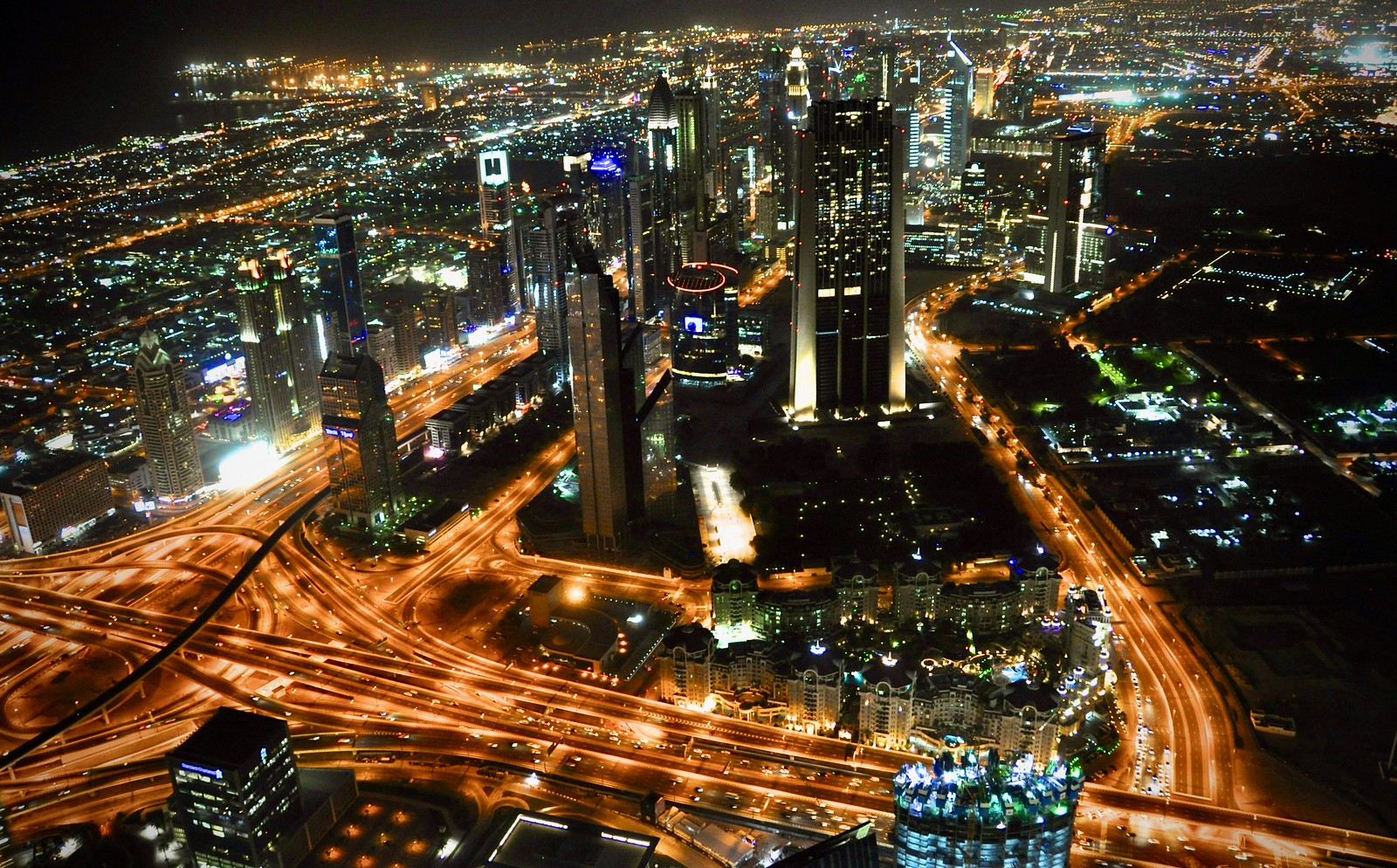
Dubai's Real Estate Regulatory Authority has stepped up enforcement against duplicate image fraud in property listings, a practice where the same photographs, sometimes digitally altered, are recycled across dozens of listings to misrepresent units that either don't exist as shown or have already been sold. The move comes as transaction volumes in the emirate's property market remain near record levels, with developers and brokers competing fiercely for buyer attention on platforms serving millions of users globally.
The timing is deliberate. Dubai registered more than 180,000 real estate transactions in 2024, according to RERA data, and the figure for 2025 was widely reported to have surpassed that. With that volume comes a proportional surge in online listings, and in the opportunities for bad actors to flood portals with misleading content. Buyers relocating from London, Mumbai and Riyadh increasingly make shortlist decisions based purely on digital imagery before ever setting foot on a site visit, making image integrity a foundational issue rather than a cosmetic one.
Experts working with Dubai's property technology sector say the problem is structural. Listing portals like Bayut and Property Finder, both headquartered in Dubai and dominant across the Gulf, have invested in automated image-matching tools designed to flag photographs that appear across multiple listings simultaneously. Property Finder publicly committed to an enhanced verification framework in early 2025, requiring agencies registered on its platform to comply with stricter upload protocols tied to their RERA broker licence numbers. Bayut has operated a TruCheck verification badge system, which uses agent-confirmed availability to reduce ghost listings.
Where the Pressure Is Coming From
The loudest voices pushing for tighter standards are not regulators alone. Institutional investors, including family offices based in DIFC and sovereign-adjacent funds that have increased direct real estate exposure since Expo 2020, have raised concerns through industry bodies about reputational risk. When a fund manager conducts due diligence on a Downtown Dubai tower or a Jumeirah Village Circle mid-rise and finds that listing photographs have been reused from a different completed project, the credibility gap damages confidence far beyond a single transaction.
RERA's Real Estate Self Transaction platform, known as REST, has become central to the enforcement conversation. The system ties each listing to a verified title deed or Oqood registration, making it technically harder, though not impossible, to run a fraudulent image alongside a legitimate number. Industry figures have argued publicly that mandatory image watermarking linked to REST registration IDs would close the remaining loopholes. No formal regulation mandating that practice has been gazetted as of the date of publication, but the Dubai Land Department has signalled that further digital compliance requirements are under active review.
What Comes Next for Buyers and Brokers
For buyers, the practical advice circulating among reputable brokerage firms along Sheikh Zayed Road is consistent: cross-reference any listing photograph using reverse-image search tools before committing to a viewing fee or a reservation deposit. Deposits in Dubai's off-plan market frequently start at 10 percent of purchase price, meaning a Dh2 million apartment carries a Dh200,000 exposure at the earliest stage, enough incentive to verify every image in the deck.
For brokers, the compliance cost is real. Agencies operating out of Business Bay and Dubai Marina report that updated photography requirements, including geotagged shoots and timestamped uploads, add between Dh500 and Dh1,500 per listing to operating costs, depending on unit size and location. Smaller outfits with ten or fewer agents say the cumulative expense is meaningful, though larger firms treat it as a standard cost of maintaining RERA good standing.
The broader context matters here. Dubai is actively positioning its financial and real estate ecosystem against competing hubs, and the credibility of its property data infrastructure is part of that pitch. A market where listing images are routinely duplicated or manipulated undermines the transparency argument that regulators and developers have spent years building. The enforcement push is, at its core, as much about investor confidence as it is about any single fraudulent photograph.