news
Dubai Officials Face Choices on Neighborhood Activation and Policy Direction
Decisions on legacy districts, visa rules and construction oversight will shape how residential areas develop in the coming period.
How we reported this
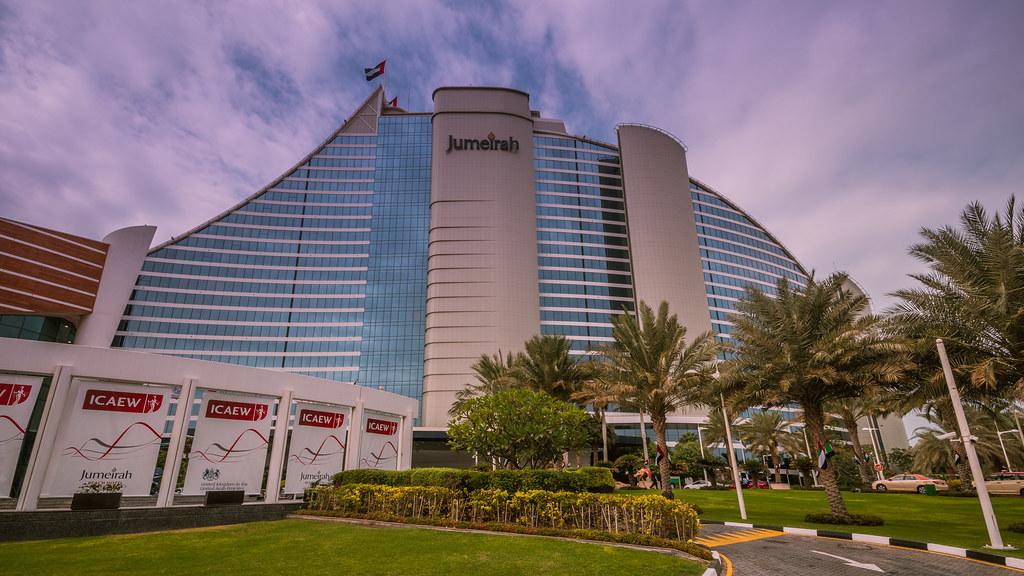
Dubai's neighborhood planning teams are now sorting through options for bringing underused districts into active use while balancing multiple regulatory pressures at once.
The timing stands out because construction activity across the emirate continues at a steady pace and international competition for financial services remains intense. Local governance under Sheikh Mohammed bin Rashid has long emphasised measured expansion, yet current conditions require choices about how quickly to move on older sites and how strictly to apply new standards for worker conditions and digital finance rules.
Legacy sites and visa adjustments in focus
Activation of the Expo 2020 district sits at the centre of these choices. Planners must decide whether to prioritise residential conversion, commercial leasing or mixed-use projects that integrate with surrounding communities. Golden visa expansions add another layer, since wider eligibility could draw new residents into specific neighbourhoods and alter demand for housing stock and local services.
At the same time, pressure to improve migrant worker welfare intersects with these plans. Any acceleration of building work will need to align with updated oversight mechanisms already under discussion, while crypto regulation updates may influence which firms choose to locate offices in newly activated zones rather than in established financial districts.
Competition and practical next steps
Dubai continues to measure itself against other global hubs on regulatory clarity and project delivery speed. Officials will therefore weigh how far to extend incentives in new neighbourhoods without undermining existing commercial cores. The outcome will determine whether certain districts become primarily residential or retain a stronger business orientation.
Residents and developers can track announcements from the relevant municipal bodies on zoning adjustments and licensing timelines. Reviewing updated guidelines on worker accommodation standards and financial technology permits will help stakeholders prepare submissions once those frameworks are released. Regular consultation with planning offices remains the clearest route for obtaining current details on any given site.