news
Dubai Infrastructure Path: How Governance Choices Shaped Current Projects
Leadership priorities over time have guided the emirate toward its present mix of transport links, utilities and urban expansion.
How we reported this
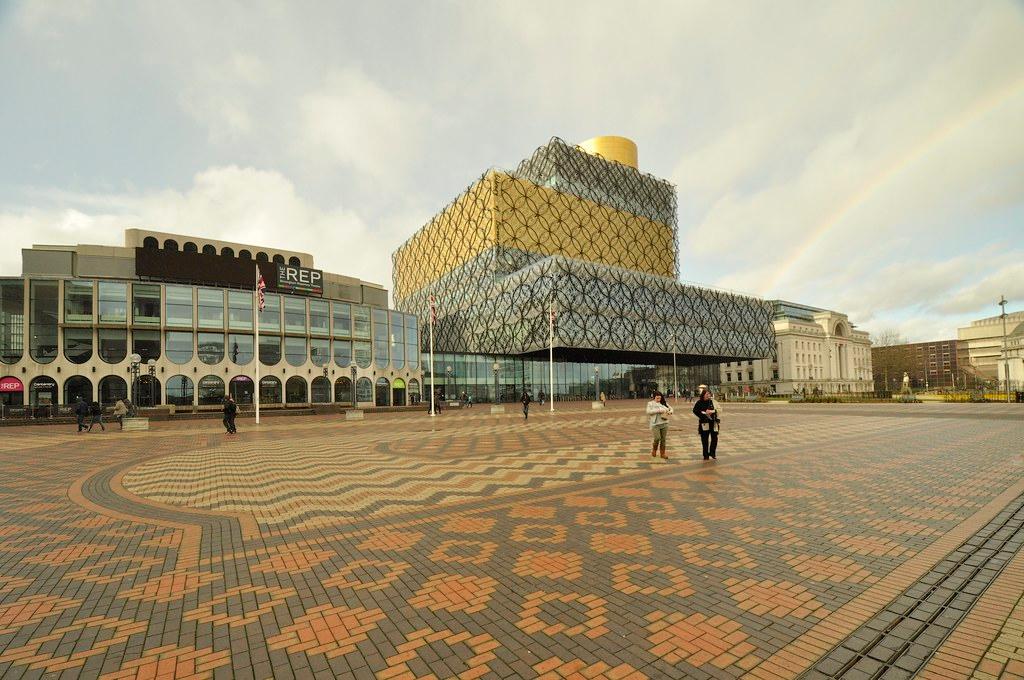
Dubai's infrastructure work continues to rest on earlier decisions about economic direction and urban growth. Planners have followed a sequence of steps that began with basic port and road upgrades and moved into larger networks that support trade and residency programs.
Steps That Built the Present Network
Sheikh Mohammed bin Rashid's approach to governance set an early emphasis on connectivity as a foundation for business. That choice led to successive rounds of investment in airports, highways and power systems that now handle daily movement of goods and people across the city. Each phase added capacity without discarding what came before, creating a layered system rather than isolated new builds.
Competition with other financial centers such as Singapore has kept attention on reliable utilities and quick transport options. Officials have adjusted project lists to keep pace with demands from companies that need stable power and fast links to ports. The same pressure has encouraged attention to worker conditions on sites, as welfare concerns affect the pace at which crews can complete work.
Legacy Elements Now in Use
The Expo 2020 site has become part of ongoing district plans, turning a single event into a longer-term node for offices and services. Golden visa rules have drawn residents who in turn require additional housing and road access near established neighborhoods. Crypto rules have added data-center demand, which feeds back into electricity and cooling projects already under way.
These elements did not appear at once. They accumulated through repeated policy updates that responded to trade volumes, population inflows and regional events. Construction activity today therefore carries the weight of those earlier choices rather than starting from a blank slate.
Future project lists will likely continue to balance the same factors. Observers can track how adjustments to migrant welfare rules or financial regulations alter the scale and timing of new contracts, since those policies directly affect labor supply and investor interest in built assets.