news
Dubai Invests Billions in Transport, Housing, Utilities for Residents
Investment in transport, housing, and utilities promises benefits but also challenges for local populations amid rapid development.
How we reported this
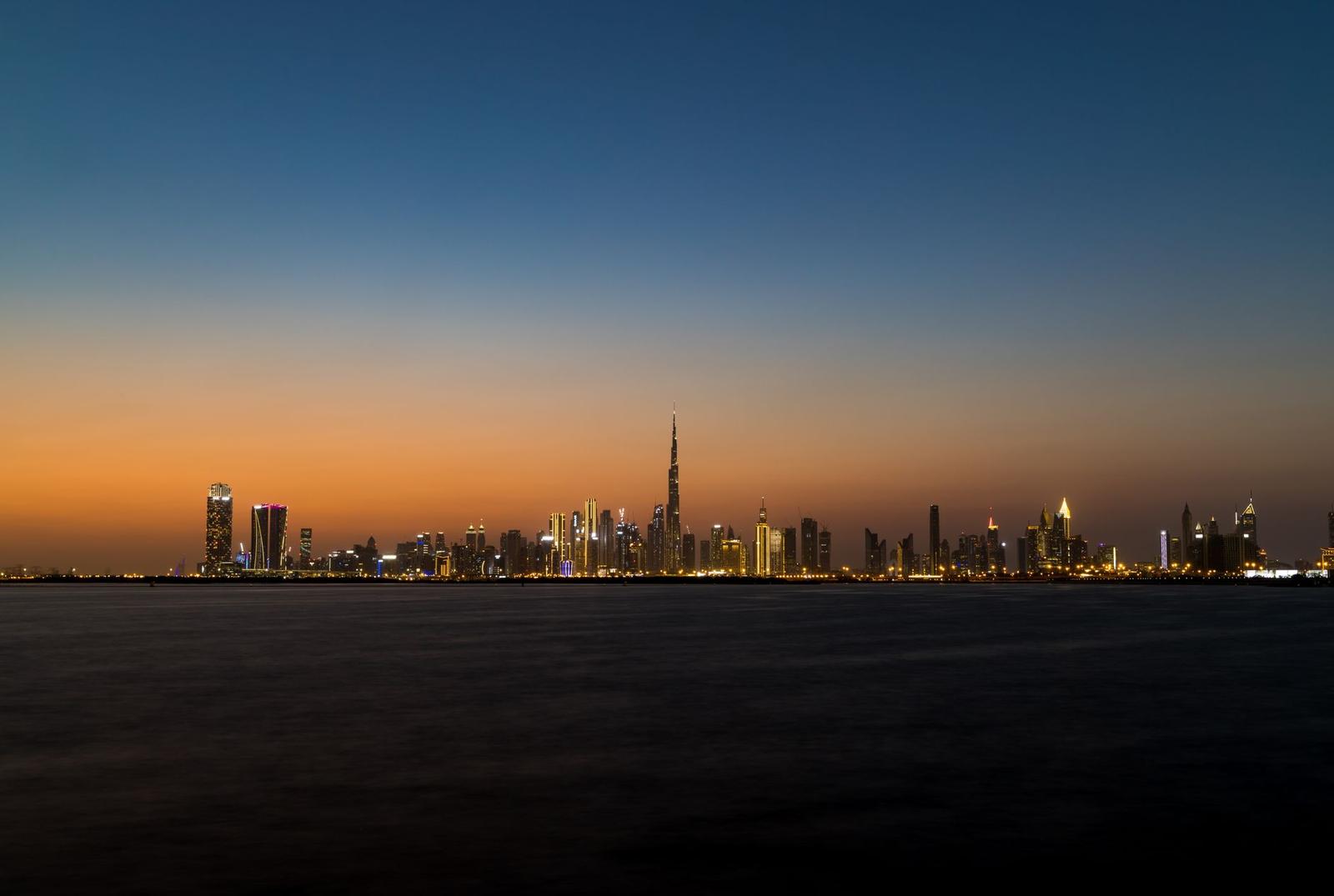
Dubai is in the midst of an expansive infrastructure rollout to support its burgeoning urban population and global ambitions, a development that directly affects daily life for residents across emirates. From transport enhancements to new housing projects, these efforts aim to alleviate congestion and improve connectivity, but they also raise concerns about social impact and community engagement.
Why Infrastructure Matters Now
The city’s rapid construction boom, highlighted by ongoing megaprojects and legacy plans stemming from Expo 2020, underlines a critical moment for urban planning and resident welfare. With Dubai’s migrant workforce and citizen population growing alongside increasing demands on utilities and public services, the infrastructure surge is a foundational response to maintain livability and economic competitiveness, especially against hubs like Singapore.
Sheikh Mohammed bin Rashid’s governance model increasingly focuses on sustainable urban development, considering both economic growth and social dimensions. The government’s push for expanding the golden visa program further signals an intent to retain talent and skilled workers who require supportive environments including reliable transport, accessible housing, and enhanced public amenities.
Local Impacts and Community Considerations
Specific initiatives include upgrading roads and expanding metro lines in key residential zones, while development continues in areas linked to the Expo 2020 legacy district. These projects are designed to reduce commutes and enhance access to employment, healthcare, and recreation. However, the pressure on migrant workers’ housing and welfare remains a complex challenge amid rising living costs and dense urban environments.
Further, as Dubai’s financial sector faces competition from Singapore and others, city planners emphasize smart infrastructure-including regulated crypto hubs-that support innovation ecosystems without compromising community well-being. The long-term sustainability of these efforts depends on balancing rapid construction with integration of social services and green spaces.
The emphasis on welfare reform for migrant workers reflects acknowledgment of past criticisms but also sets new expectations for private sector compliance and governmental oversight. The cumulative effect of these infrastructure undertakings is hoped to foster more inclusive urban experiences, though tangible progression in resident quality of life will require ongoing commitment from developers and policymakers.
What Residents Should Expect Going Forward
While completion timelines vary, locals can anticipate incremental improvements in transport availability and housing diversity over the next few years based on current plans. Public consultations and community feedback sessions are increasingly incorporated into project cycles, offering residents some avenues to shape outcomes.
For those navigating these changes, staying informed on official announcements and infrastructure updates is advisable to adapt effectively, particularly for daily commutes and housing decisions. Authorities are also urging developers and service providers to enhance transparency around construction schedules and social impact measures.
Ultimately, Dubai’s ambitious infrastructure expansion carries the potential to elevate living standards substantially, but the real measure will be how inclusively those benefits reach the city’s diverse population.