news
Dubai Invests AED 47.8 Billion in 2026 Infrastructure Expansion
Dubai’s ambitious infrastructure projects in 2026 reflect a robust AED 47.8 billion investment, shaping transport, drainage, and aviation for a growing population.
How we reported this
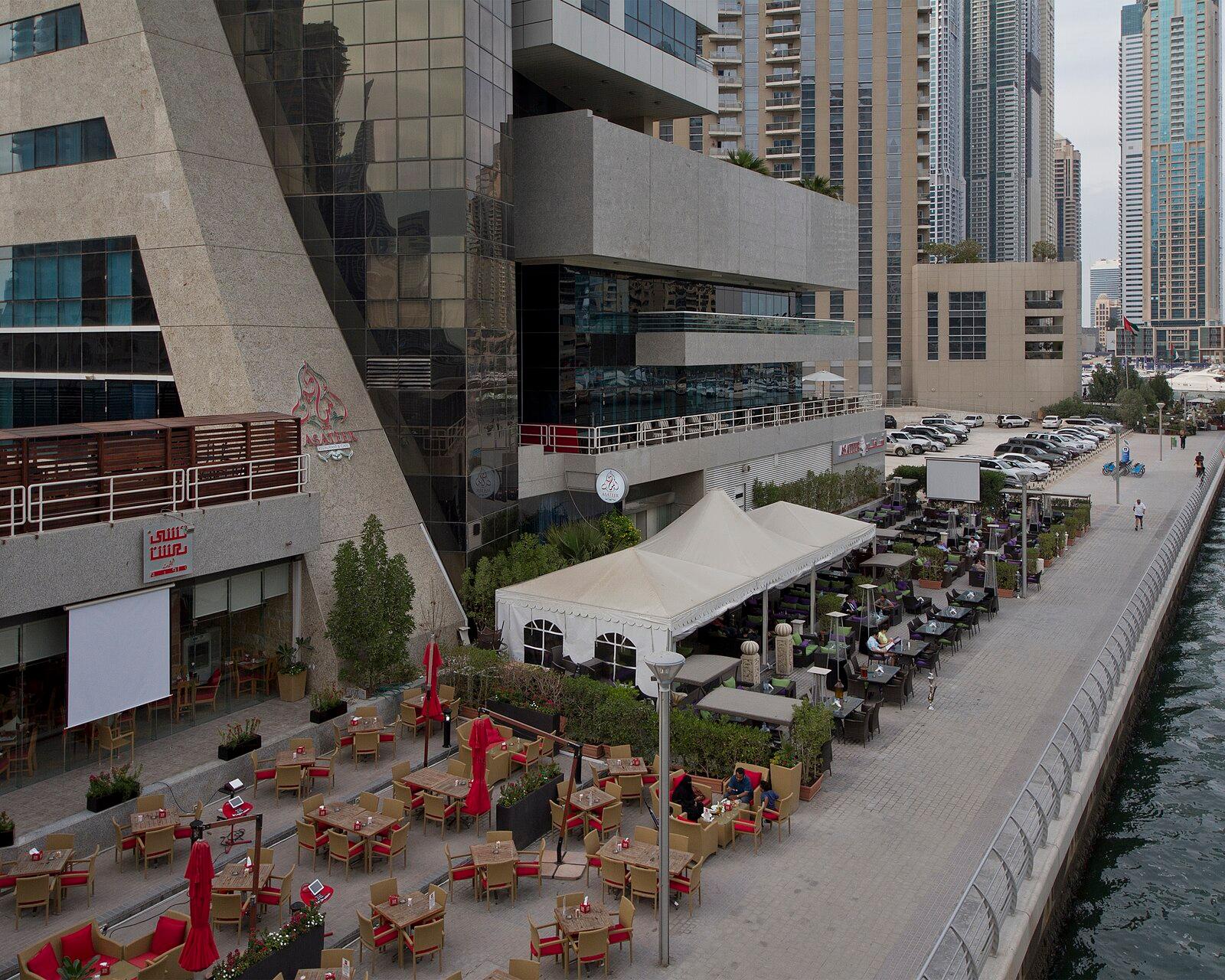
Dubai’s infrastructure spending for 2026 hits AED 47.8 billion ($13 billion), marking a 20% increase within its record AED 99.5 billion emirate budget. These funds underpin several major projects, including new metro lines, airport expansions, stormwater networks, and road infrastructure upgrades, signaling a strategic push to support the city’s rapid growth and mobility needs in the coming decade.
Metro, Airport, and Roadwork: The Numbers Tell the Story
Main tunnelling works began in May 2026 for the Dubai Metro Blue Line, a AED 20.5 billion ($5.6 billion) project spanning 30 kilometres with 19 stations. The first phase is expected to open by mid-2026, with full completion targeted for the end of 2029. This line will be the city’s third metro route, directly easing congestion and enhancing connectivity.
Meanwhile, plans to restart the AED 120 billion ($33 billion) expansion of Al-Maktoum International Airport, Dubai World Central, are underway following design approvals in April 2024. The long-term vision includes migrating all Dubai International Airport operations to this expanded facility within 10 years, reconfiguring the emirate’s aviation landscape.
On the road front, Dubai’s Executive Council has approved a AED 18 billion ($4.9 billion) development plan for First Al Khail Street. This project will create a 15-kilometre elevated carriageway running parallel to Sheikh Zayed Road. Construction is scheduled to begin in the third quarter of 2027, with an anticipated completion by end of 2030. The elevated route aims to alleviate traffic pressure on one of Dubai’s busiest corridors, facilitating smoother flow.
Supporting Infrastructure and Emerging Technologies
Stormwater management is equally high on Dubai’s agenda. Five contracts valued at AED 2.5 billion ($680 million) have been awarded as part of the second phase of the Tasreef programme. The focus is on developing stormwater drainage networks across 30 critical areas, projected to serve 3 million residents by 2040. This is a vital investment to bolster flood resilience amid increasing urban density.
Complementing ground infrastructure, Dubai also eyes innovation in transportation technology. Commercial flying taxis, or electric vertical take-off and landing vehicles (eVTOL), are set to launch in 2026, marking a pioneering step in urban aerial mobility. Additionally, Etihad Rail passenger services linking Dubai and Abu Dhabi are expected to begin operation this year, enhancing intercity connectivity across 11 cities.
All these projects fall under a broader AED 47.8 billion infrastructure allocation for 2026-accounting for 48% of Dubai’s total projected expenditure. This significant commitment covers roads, bridges, public transport, renewable energy, and waste management, reflecting the emirate’s prioritization of integrated urban systems as it prepares for population and economic growth.
Dubai Municipality has also introduced an overhauled Contractor and Engineering Consultancy Rating System in early 2026. This move aims to improve performance, accountability, and construction quality across all infrastructure projects, ensuring that high standards are maintained amid the city’s accelerating development pace.
Looking Ahead: Construction Timelines and Urban Impact
With several headlines projects either commencing or expected to open within this year, residents and businesses can anticipate easing traffic congestion and expanded transport options within the decade. The phased rollout of metro stations starting mid-2026 will directly impact daily commutes in key areas, while the airport expansion sets the stage for Dubai’s role as a global aviation hub in the years ahead.
Those living or working in the emirate can also expect enhanced stormwater infrastructure to safeguard neighborhoods against seasonal floods. Road infrastructure improvements, particularly the First Al Khail elevated carriageway, will begin shaping traffic patterns from late 2027 onwards.
In transport innovation, the arrival of eVTOL taxis opens a new chapter for urban mobility, promising faster and greener options complementary to existing networks. The Etihad Rail passenger services will further knit together the UAE’s major cities, supporting economic integration.
Dubai’s infrastructure agenda for 2026 is a data-rich blueprint for growth-backed by billions of dirhams and bold timelines-that underscores its ambition to build a resilient, modern city primed for the future.