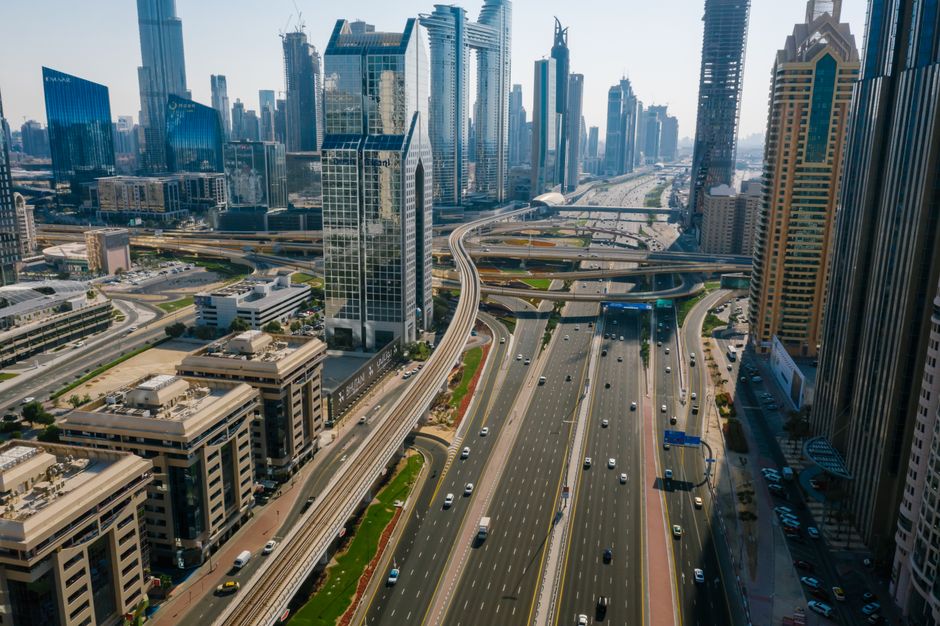
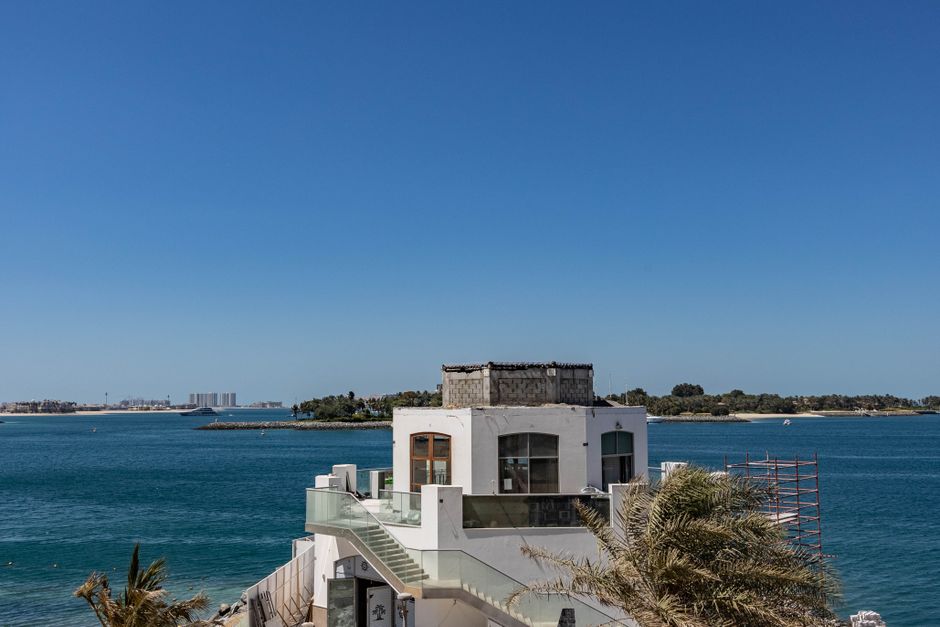
Dubai's planning authority has quietly introduced revised density coefficients that are already rippling through the development pipeline, forcing architects and investors to recalibrate designs across some of the emirate's most active corridors.
The changes, embedded in updated Dubai Municipality guidelines issued earlier this year, lower permissible floor-area ratios (FAR) in mid-density zones and impose stricter setback requirements on buildings exceeding 15 storeys. While officials frame this as a quality-of-life measure, developers are absorbing the financial hit—projects that previously pencilled in 2.8 FAR allocations now face 2.3 caps in areas like Jumeirah Lake Towers and the Jumeirah Village Circle precinct.
"We're seeing a fundamental recalibration," explains one prominent Dubai-based development consultancy, noting that several approved schemes along Al Wasl Road and near the JVC retail spine are being resubmitted with reduced unit counts and increased communal spaces. A typical mid-range residential plot in JVC that might have yielded 450 units under the old framework now tops out around 370—roughly an 18 per cent reduction that cascades directly into yield compression for investors banking on density arbitrage.
The implications extend beyond unit economics. Design now favours horizontal breathing room over vertical stacking. New regulations mandate 8-metre side setbacks (up from 5) and expanded ground-floor percentages dedicated to landscaping and public realm. For a neighbourhood already yielding 7 per cent-plus returns on mid-range residential, these buffers eat into the efficiency calculus that made JLT and JVC attractive to yield-hunting institutional investors.
Waterfront precincts—particularly the evolving stretches along the Dubai Water Canal corridor linking Business Bay to Arabian Ranches III—see even tighter constraints. Maximum heights in mixed-use zones have been capped at 25 storeys, forcing developers to pursue horizontal sprawl rather than vertical consolidation.
The timing is telling. As Dubai's average asking price hovers around AED 1,600 per square foot, and with golden visa appetite sustaining foreign buyer momentum, planners appear intent on preventing the kind of tower-cluster saturation that defined earlier Downtown and Palm cycles. The council's move signals confidence in the market's resilience—they're betting quality-controlled scarcity beats speculative density.
For investors accustomed to reading Dubai's supply side through a lens of maximum-allowable built-up area, the new regime demands patience and spatial thinking. The development landscape isn't shrinking; it's simply becoming more deliberate.
This article was compiled by AI from the sources linked above and screened before publishing. See our editorial standards.