How Dubai's New Zoning Rules Are Reshaping the Ultra-Luxury Market
Recent planning amendments in Downtown and Palm Jumeirah are forcing developers to recalibrate strategies, with ripple effects across the AED 5m-plus segment.
Recent planning amendments in Downtown and Palm Jumeirah are forcing developers to recalibrate strategies, with ripple effects across the AED 5m-plus segment.
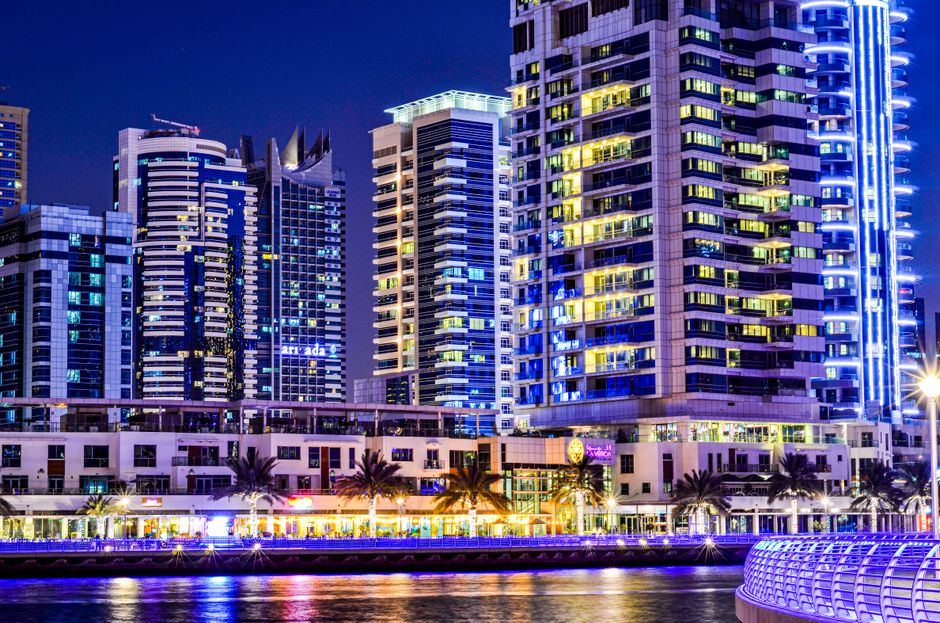
Dubai's ultra-luxury property sector is experiencing a subtle but significant realignment following the Dubai Municipality's revised planning guidelines announced earlier this year. The changes—affecting plot ratios, setback requirements, and mixed-use density across premium zones—are reshaping investment calculus for developers and high-net-worth buyers alike.
The most visible impact has emerged in Downtown Dubai, where new floor-area-ratio (FAR) restrictions have effectively capped tower heights on remaining vacant plots along Sheikh Zayed Road and near the Burj Khalifa precinct. Previously, developers could achieve FAR of 5.0 to 6.0 on prime waterfront sites; the revised cap of 4.2 has forced several major projects into redesign phases. One prominent developer quietly shelved plans for a 65-storey residential tower near DIFC in favour of a 48-storey mixed-use scheme that maintains profitability while respecting new parameters.
Palm Jumeirah has faced different pressures. Enhanced environmental and infrastructure assessments—now mandatory before approvals—have extended planning timelines from 8–12 months to 14–18 months. This lag has cooled speculative activity on the crescent's prime villa plots, though established projects like those marketed through Damac and Emaar continue commanding prices around AED 25,000–30,000 per square foot for waterfront villas.
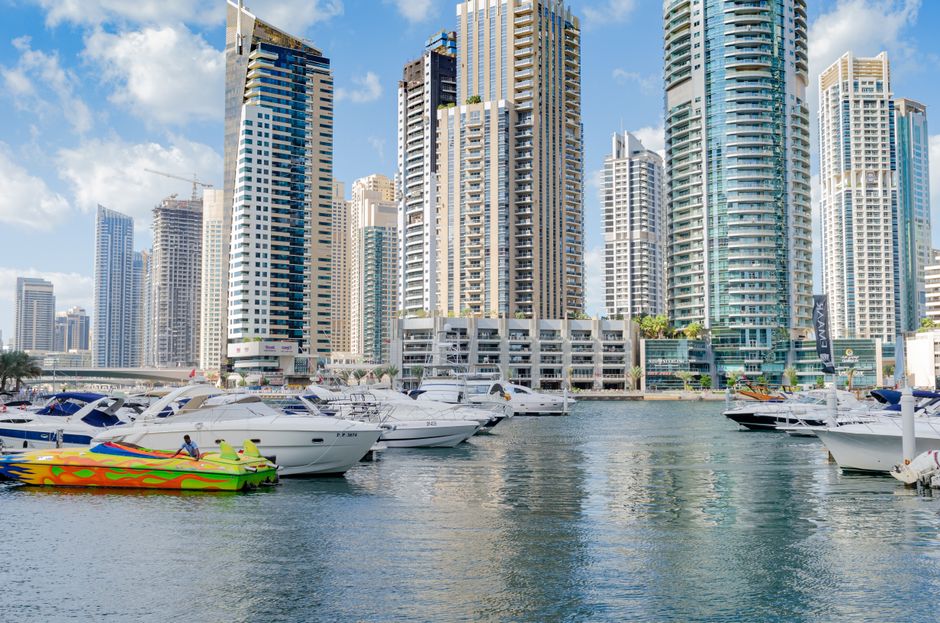
The JBR waterfront precinct tells another story. Zoning amendments permitting greater residential density have unlocked pent-up demand for high-rise luxury apartments, with penthouse units now fetching AED 12m–16m (approximately $3.2m–$4.3m USD). The policy shift is attracting institutional money previously reluctant to commit without certainty on future development density.
Industry sources indicate that the golden visa initiative—extending 10-year residency for property investors holding assets above AED 2m—has insulated the luxury market from policy-induced volatility. Foreign investors increasingly view regulatory tightening as a sign of maturation rather than constraint. Dubai's average price point of AED 1,600 per square foot remains modest globally, suggesting pricing power even amid planning restrictions.
The broader takeaway: Dubai's luxury segment is graduating from pure volume-driven growth to quality-and-sustainability-focused development. Developers are investing heavily in architectural differentiation and amenity packages to offset reduced unit yields. For buyers, the window for pre-regulation deals has largely closed, but the new framework promises stronger long-term asset stability—precisely the messaging that appeals to serious wealth-preservation strategies among the ultra-high-net-worth demographic.
This article was compiled by AI from the sources linked above and screened before publishing. See our editorial standards.
How does this story make you feel?
Spread the word
About this article
Published by The Daily Dubai
Daily brief
Free, in your inbox before 7am. Weekdays.
More in Property