Dubai's rental landscape is experiencing a quiet but significant realignment. The Real Estate Regulatory Agency's revised guidelines on annual rent escalation—capped at 5 per cent in most communities—combined with stricter zoning enforcement in mixed-use areas, have created uneven vacancy patterns that tell a complex story about investor behaviour and tenant choice.
The impact is most visible in established mid-range nodes. Jumeirah Lake Towers, historically a reliable 4–5 per cent yield generator, is seeing vacancy creep toward 8 per cent in studio and one-bedroom units as landlords adjust pricing expectations. Properties asking AED 55,000–65,000 annually for a one-bed—up from last year's AED 50,000—are sitting longer on agency books. Agents working the community report extended holding periods, particularly for buildings along Cluster D and E where supply density is highest.
Jumeirah Village Circle tells a different story. The authority's decision to enforce residential-only use in designated tower clusters has eliminated the short-term Airbnb churn that previously masked true vacancy figures. Official data now suggests 6–7 per cent true availability, higher than pre-regulation estimates. Long-term tenant demand, however, remains steady at AED 45,000–52,000 for comparable stock, signalling a shift toward stability over speculation.
Downtown Dubai and Palm Jumeirah—anchored by luxury flagships like Burj Khalifa and One&Only The Palm—operate in a separate universe. Regulation has minimal friction here; international wealth and visa-linked demand sustain premium rents (AED 200,000–500,000+ annually for two-beds) with negligible vacancy. The 10-year golden visa initiative continues driving non-local investment into these nodes, insulating them from broader market corrections.
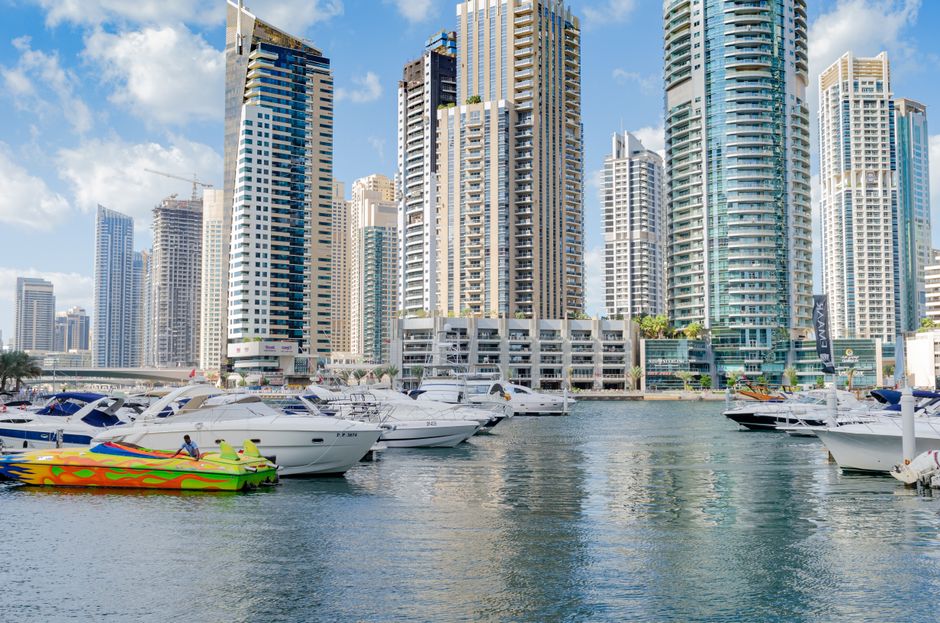
What planners are watching closely is the secondary ripple effect. JBR's waterfront corridor, traditionally competitive on price transparency, is experiencing modest vacancy uptick (7–9 per cent) as tenants migrate toward newly regulated communities with clearer, non-volatile pricing. This reflects a genuine shift in tenant psychology: predictability is becoming a rental amenity.
The Rental Dispute Centre reports a 12 per cent increase in tenant inquiries about regulatory protections since January, suggesting awareness of new rules is driving confidence—at least among informed renters. However, unregulated or newly developed communities remain opaque, creating two-tier information markets.
For investors, the calculus has sharpened: portfolio diversification across multiple communities now matters more than concentration. The days of chasing yield through aggressive repricing are effectively behind us. Expect stabilisation in peak communities by Q4 2026, but sustained softness in mid-tier stock until investor expectations fully recalibrate.
This article was compiled by AI from the sources linked above and screened before publishing. See our editorial standards.