Jumeirah Lake Towers: The Emerging Investment Hotspot ...
As landlords reassess their portfolios, JLT's blend of affordability, rental demand and infrastructure upgrades is reshaping the mid-range investment landscape.
As landlords reassess their portfolios, JLT's blend of affordability, rental demand and infrastructure upgrades is reshaping the mid-range investment landscape.
While Downtown Dubai and Palm Jumeirah continue to dominate luxury headlines, savvy property investors are quietly pivoting toward Jumeirah Lake Towers—a neighbourhood experiencing a subtle but significant resurgence that's reshaping mid-range yield expectations across the emirate.
JLT's investment appeal lies in its pragmatism. With average rental yields hovering between 5.5% and 6.5%—notably above the broader Dubai average of 4.2%—the neighbourhood offers what many landlords have been seeking: steady occupancy rates paired with reasonable entry prices. Studio and one-bedroom units typically trade between AED 400,000 and AED 650,000, a fraction of comparable properties in JVC or Downtown, yet generating comparable monthly rents of AED 2,000 to AED 2,800.
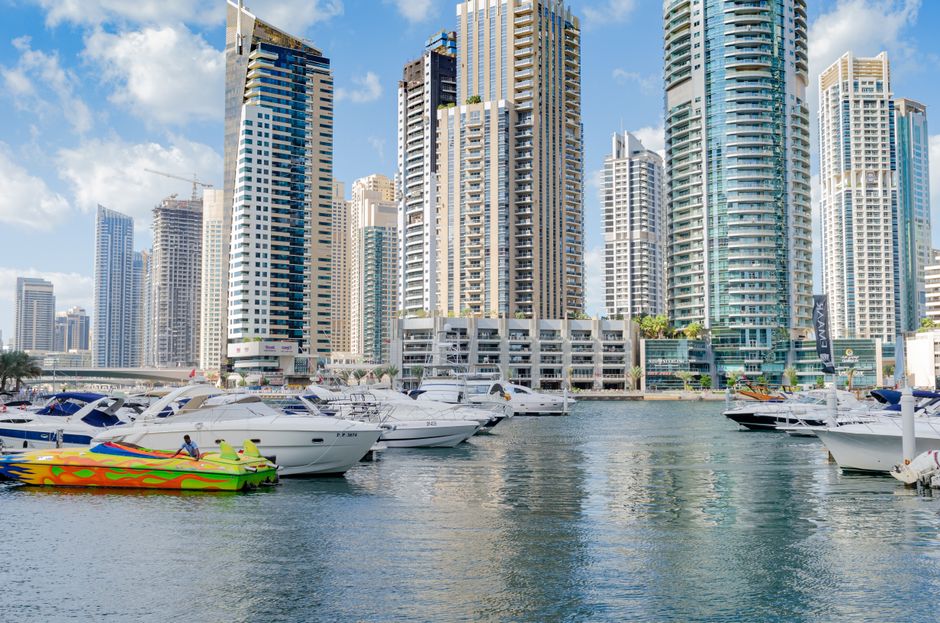
The catalyst for this shift is infrastructure maturation. The completion of the Jumeirah Lake Towers metro extension improvements, combined with ongoing accessibility enhancements along Sheikh Zayed Road, has reduced friction for both residents and workforce commuters. The neighbourhood's three artificial lakes—which give it its name—now serve as genuine community assets rather than mere aesthetics, with upgraded walking trails and park facilities attracting young professionals and small families seeking work-life balance.
Commercial activity around the towers has also evolved meaningfully. The cluster of mid-sized offices in the eastern blocks now houses growing tech and consulting firms, creating a self-contained economic ecosystem. Proximity to the Dubai Internet City corridor and DIFC means professional tenants increasingly view JLT apartments as convenient alternatives to the premium rates of Downtown or Business Bay.
For landlords specifically, several operational advantages have emerged. JLT's standardised tower layouts mean maintenance costs are predictable and competitive. Property management companies here have honed efficient service models, reducing the administrative burden that plagues smaller, fragmented communities. The neighbourhood's supply of skilled tradespeople and service providers is mature—critical when managing multiple units.
The 10-year golden visa programme has also indirectly benefited JLT. While many visa applicants targeted luxury assets initially, a secondary wave of mid-market purchasers now views JLT as a sensible hedge: retain residency eligibility while capturing rental yield without the capital intensity of Palm Jumeirah.
That said, landlords should remain cautious. New supply pipelines in nearby Dubai Silicon Oasis and JVC could apply downward pressure on rents if absorption stalls. Market selection within JLT itself matters—towers nearer to the lakes and newer developments command premium occupancy versus ageing clusters along the periphery.
For investors reassessing their Dubai portfolios in 2026, JLT represents a calculated middle ground: yield without speculation, location without hype.
This article was compiled by AI from the sources linked above and screened before publishing. See our editorial standards.
How does this story make you feel?
Spread the word
About this article
Published by The Daily Dubai
Daily brief
Free, in your inbox before 7am. Weekdays.
More in Property