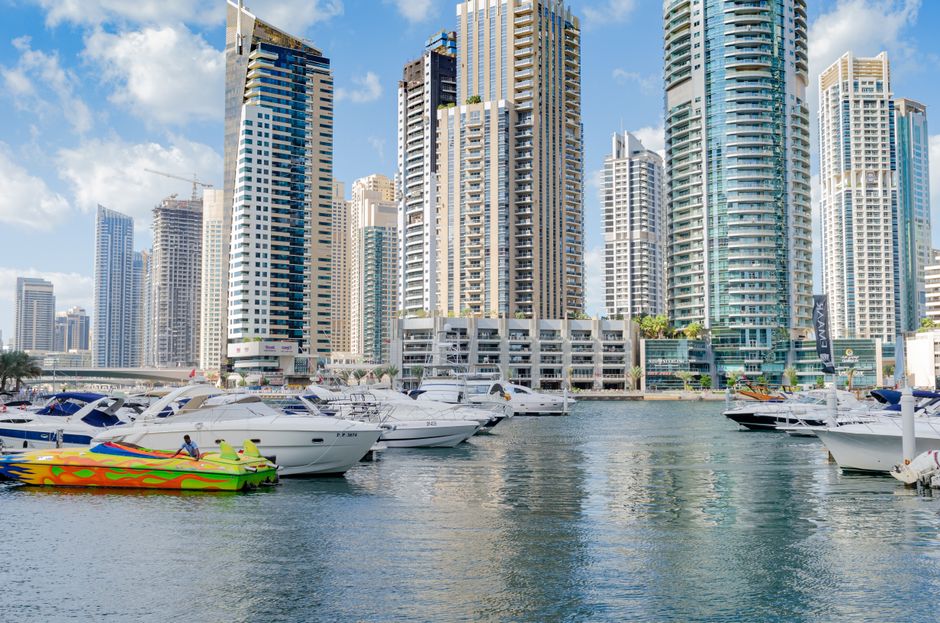
Dubai's luxury rental market is experiencing a rare moment of recalibration. Where landlords once held all the cards, today's softening conditions in premium neighbourhoods like Downtown Dubai, Palm Jumeirah, and Emirates Hills are forcing a fundamental shift in how high-end properties are leased—and to whom.
The numbers tell a cautionary tale. While the broader Dubai market maintains an average of AED 1,600 per square foot for sales, luxury rental yields have compressed significantly. Properties commanding AED 15,000–25,000 monthly in prestigious addresses now languish on platforms for 60–90 days before securing tenants. This marks a departure from the seller's market that prevailed through 2023, when luxury units in the Marina and Downtown disappeared within weeks.
For landlords with capital tied up in high-specification penthouses and waterfront villas, the pressure is acute. Many are absorbing furnishing costs, offering flexible lease terms, and reducing asking rents by 8–12 percent to attract the expatriate professionals and visiting executives who typically anchor luxury lettings. Some are converting long-term rental units to short-term holiday lets through platforms targeting the tourism sector—a hedging strategy that speaks volumes about confidence in traditional tenancy models.
Tenants, conversely, are discovering leverage. The scarcity of high-net-worth renters seeking Dubai addresses has given quality seekers room to negotiate. Requests for furnished-unfurnished flexibility, extended trial periods, and maintenance guarantees—once dismissed outright—now receive serious consideration. Professional families eyeing three-bedroom apartments in JBR's premium towers or townhouses near the Palm's water's edge are extracting meaningful concessions.
The 10-year golden visa programme has paradoxically complicated matters. While it has driven purchase demand, it hasn't proportionally increased rental demand among its beneficiaries. Many visa holders prefer ownership, leaving the rental segment dependent on transient corporate assignments and hospitality executives—groups more sensitive to economic cycles.
Real estate agencies operating across the Emirates Hills and Downtown corridors report a bifurcation: ultra-prime stock—villas exceeding AED 300,000 monthly, penthouses with private pools—remains contested. Everything below that threshold now faces genuine scarcity of demand relative to supply.
What emerges is a market shedding its mythology of perpetual ascent. Landlords are learning that Dubai's luxury sector, while resilient, responds to the same gravitational forces affecting property markets globally. For tenants, this window of negotiating power may prove fleeting. Smart money on both sides is treating this as a recalibration phase, not a collapse.
This article was compiled by AI from the sources linked above and screened before publishing. See our editorial standards.