Dubai's rental market has entered an unusual phase. After years of landlord dominance, the pendulum is swinging—and both sides of the lease are feeling the tremors.
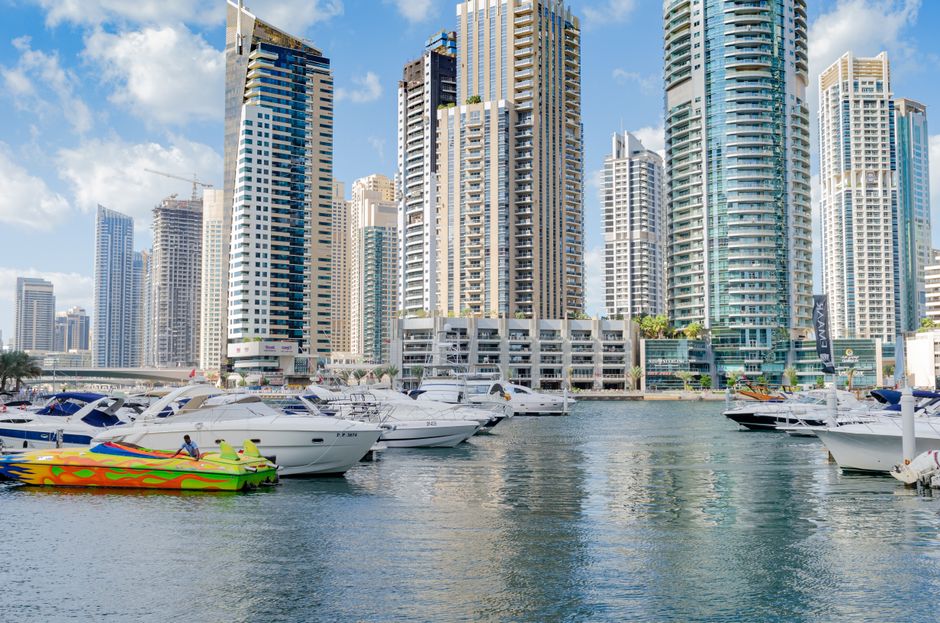
In established rental hotspots like Jumeirah Lake Towers and the Marina, landlords are offering concessions once unthinkable: rent reductions, furnished packages, and flexible lease terms. Average asking rents in JLT have plateaued around AED 1,400–1,600 per square foot annually, a far cry from the aggressive 5–8% annual escalations seen pre-2024. Similar pressure is evident along Sheikh Zayed Road, where office-to-residential conversions and oversupply have created genuine tenant leverage for the first time in a decade.
Tecom and Barsha Heights tell a different story. These mid-range zones are maintaining steadier occupancy rates, with landlords reporting 85–90% tenancy versus the 75–80% averages plaguing premium waterfront districts. The divergence is stark: while Palm Jumeirah penthouses languish on the market for 60+ days, a two-bedroom villa in Arabian Ranches or JVC commands reasonable rental yields within 30–45 days.
For tenants, the shift creates real opportunity. Renters in saturated submarkets now negotiate successfully—securing furnished units, waiving security deposit increases, or securing longer lock-in periods at fixed rates. Families relocating via employer sponsorship, particularly those benefiting from the 10-year golden visa programme, are experiencing genuinely competitive markets for the first time. Schools like JESS and GEMS Wellington, which anchor family decisions across JVC, now attract tenant interest partly due to rental affordability rather than scarcity premiums.
Yet landlords face harder choices. With mortgage servicing costs on development loans unchanged, smaller portfolio holders—those with one or two buy-to-let properties in JBR or Downtown Dubai—are absorbing narrowing margins. Some are converting short-term holiday rentals back to long-term leases just to stabilise cash flow. The downside risk of extended vacancy increasingly outweighs the upside of holding out for premium rates.
Industry bodies report growing enquiries about flexible lease structures and managed tenancy services. Property managers across the DIFC and Business Bay corridors note that landlord retention is becoming competitive; agencies are offering reduced commission structures to secure mandates.
The narrative isn't a wholesale crash—average villa rents in Arabian Ranches remain healthy around AED 150,000–180,000 annually—but rather a recalibration of expectations. For investors eyeing golden visa-linked neighbourhoods, the calculus now demands patience. For tenants, particularly expat families, this market offers genuine breathing room. That equilibrium, however, likely remains temporary.
This article was compiled by AI from the sources linked above and screened before publishing. See our editorial standards.