Days on Market Shrink as Dubai Sellers Cut Asking Prices to Seal Deals Faster
New data reveals vendors across Downtown, JBR and JVC are slashing discounts and reducing listing periods—signalling a subtle shift in buyer-seller dynamics.
New data reveals vendors across Downtown, JBR and JVC are slashing discounts and reducing listing periods—signalling a subtle shift in buyer-seller dynamics.
Dubai's property market is sending mixed signals about patience. While average asking prices remain anchored around AED 1,600 per square foot citywide, sellers are increasingly willing to negotiate faster exits rather than wait for full-price offers—a trend reshaping how transactions unfold across the emirate's most active neighbourhoods.
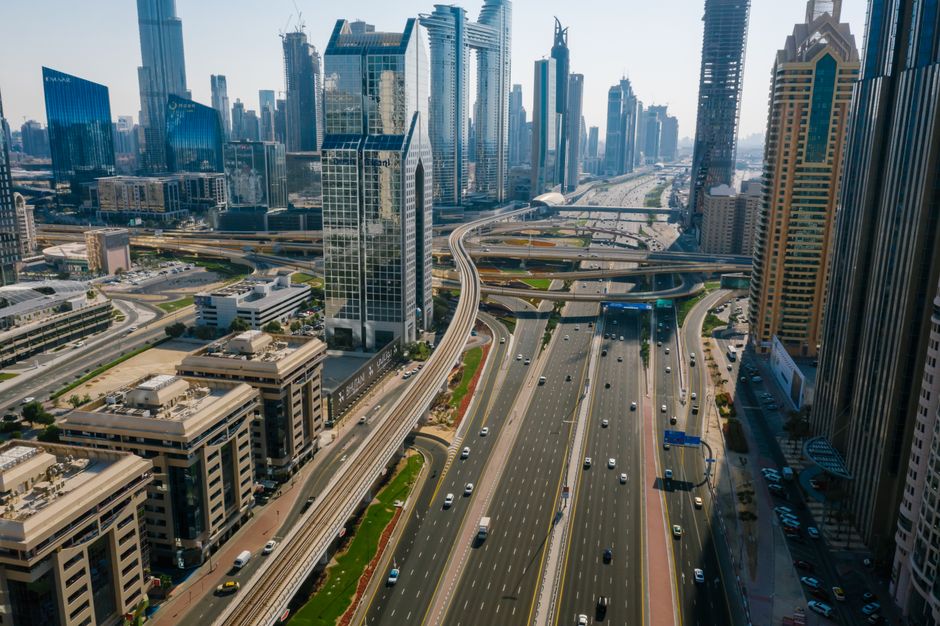
Residential units in Downtown Dubai and Palm Jumeirah, traditionally the hold-out zones for premium pricing, are now moving within 45–60 days on average, down from the 75–90 day cycle observed in early 2025. The shift reflects a pragmatic recalibration: vendors recognise that a 5–8% discount applied in week two of listing often outweighs the carrying costs and opportunity loss of waiting three months for a full-price buyer.
In the mid-range segments—Jumeirah Village Circle, Jumeirah Lake Towers, and Business Bay—the compression is even sharper. Properties yielding 7% or above are now shifting in 30–45 days, with asking-price reductions of 3–5% the norm. Estate agents operating along Sheikh Zayed Road report that golden visa holders, while still driving foreign buyer demand, are increasingly price-sensitive after initial purchase surge momentum cooled in Q1 2026.
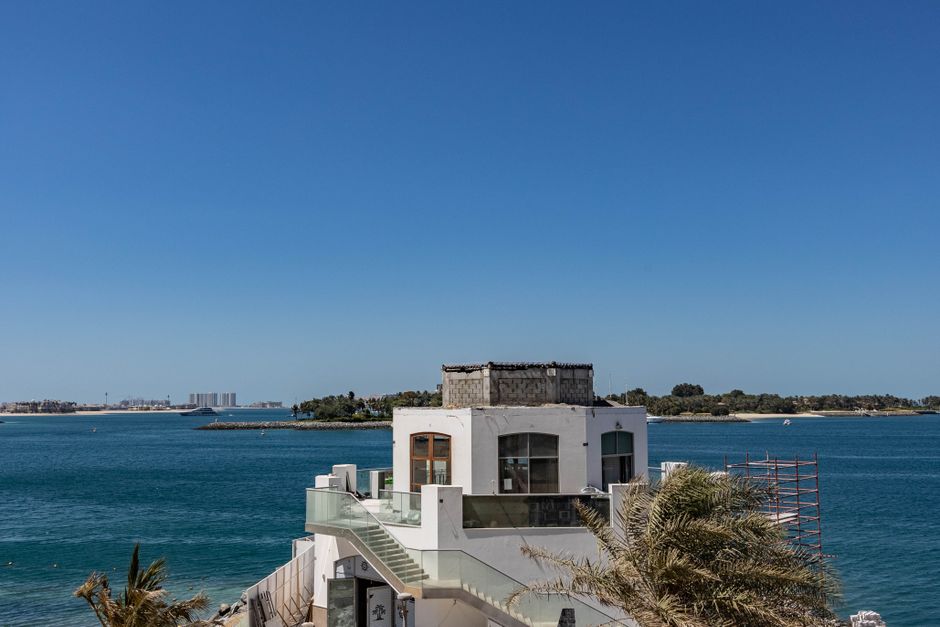
JBR waterfront units tell a subtly different story. Prime beachfront addresses along The Walk remain sticky—averaging 55 days on market—but secondary positions within the community are clearing 10–15 days faster when vendors drop prices by AED 50–100 per square foot early in the listing window.
What's driving this behaviour? Three factors converge. First, Dubai's regulatory environment and mortgage accessibility have stabilised, removing the urgency-premium that sellers could once command. Second, new supply—particularly in emerging zones like Mohammad Bin Rashid City extensions—has given buyers genuine optionality. Third, the cost of holding property—utilities, maintenance, and foregone rental income for investors—has made strategic discounting economically rational.
The data carries implications for both sides. Buyers benefit from shorter negotiation windows and realistic pricing sooner. Sellers who resist early adjustment risk extended vacancy and eventual forced discounting that exceeds their initial resistance. The sweet spot appears to be pricing 3–5% below comparable sales from the previous month, which typically generates multiple viewings within two weeks and an offer by week four.
For investors monitoring Dubai's golden visa inflows and rental yield fundamentals, this shift signals maturation rather than distress. The market is finding equilibrium—and that equilibrium values speed and certainty over speculative holding.
This article was compiled by AI from the sources linked above and screened before publishing. See our editorial standards.
How does this story make you feel?
Spread the word
About this article
Published by The Daily Dubai
Daily brief
Free, in your inbox before 7am. Weekdays.
More in Property