How Dubai's New Planning Rules Are Reshaping Investment Hotspots
Strategic zoning decisions and regulatory shifts are creating winners and losers across Emirates neighbourhoods—here's where savvy investors should be looking.
Strategic zoning decisions and regulatory shifts are creating winners and losers across Emirates neighbourhoods—here's where savvy investors should be looking.
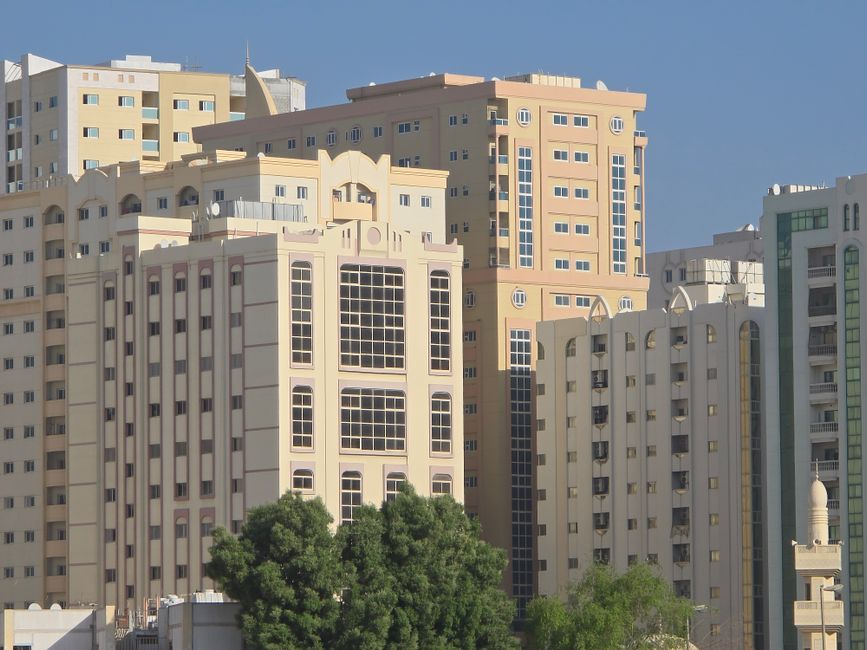
Dubai's property market has always been driven by supply and demand, but increasingly, it's policy that's writing the rules. The latest planning interventions from Dubai Municipality and the Roads and Transport Authority are quietly reshaping which neighbourhoods attract capital—and which ones stall.
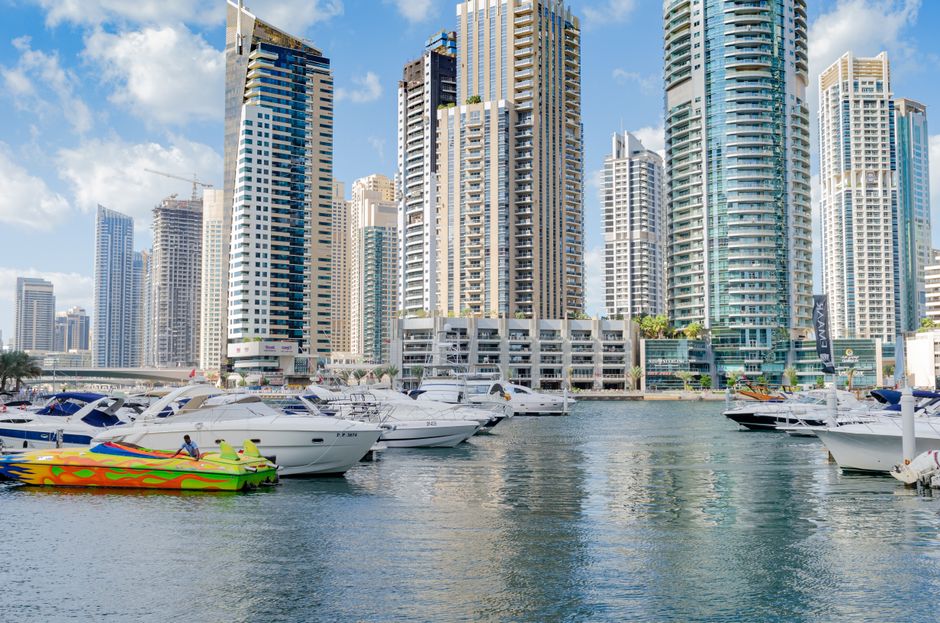
The most significant shift came with revised density regulations in Jumeirah Lake Towers and Lakeside Cluster, where new height restrictions capped future development. Early data suggests this policy move has stabilised prices in the 12,000–14,000 AED per sqft range, attracting long-term investors seeking scarcity value. Unlike the speculative froth that defined previous cycles, buyers here are calculating yield on rental demand from young professionals—JLT's proximity to DMCC and the upcoming Meraas projects making it predictably attractive.
Conversely, the decision to greenlight the Sobah mixed-use development corridor near Al Khawaneej has triggered cautious optimism in a previously overlooked area. What matters here isn't sentiment—it's infrastructure. The RTIA's commitment to extending metro connectivity and improving Sheikh Zayed Road access means mid-range apartments (1.2–1.8m AED) now offer both affordability and future utility. This is classic policy-driven upside: investors are positioning ahead of infrastructure completion, not after.
Downtown Dubai and Palm Jumeirah remain flagship addresses, but recent municipal decisions favouring pedestrian zones and limiting further luxury cluster expansion have altered the investment calculus. Fewer new supply announcements mean existing inventory holds premium positioning. However, yields remain compressed—typically 3–4% annually—making these primarily capital appreciation plays dependent on continued foreign buyer inflow and tourism growth.
The 10-year golden visa scheme continues driving demand across mid-range segments, but planners are quietly reshaping which areas benefit. New regulations around villa developments in Arabian Ranches and Meadows emphasise larger plot sizes and heritage design standards, supporting prices but limiting volume. Investors seeking liquidity should note: stricter approval timelines mean fewer quick-flip opportunities.
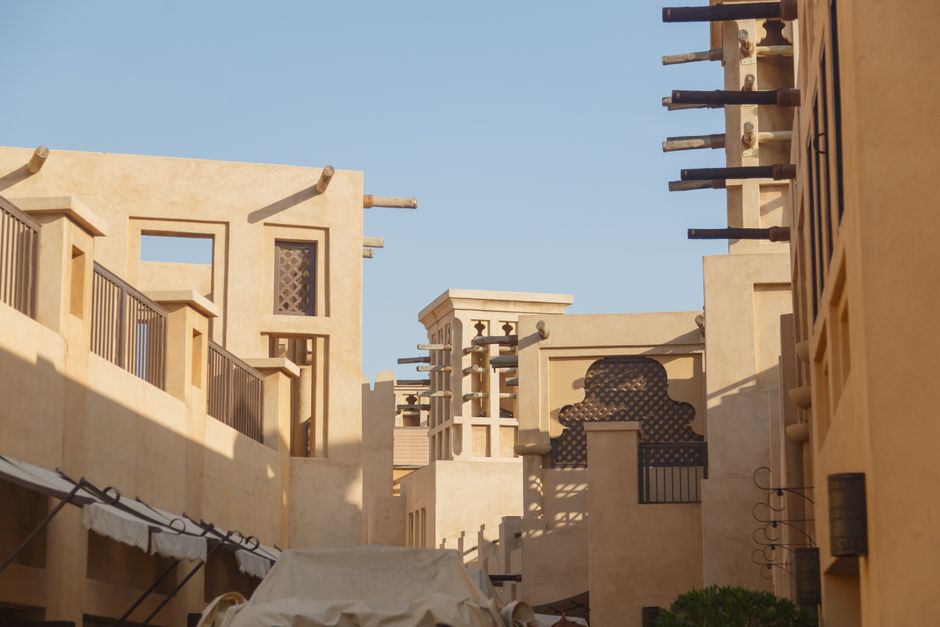
Deira and Bur Dubai's heritage district regeneration plan represents perhaps the most intriguing policy play. While apartment yields remain marginal, the government's commitment to cultural tourism infrastructure suggests long-term commercial viability. Early movers acquiring conversion-ready properties here are betting on policy-backed gentrification—a higher-risk, higher-reward calculus.
For investors, the lesson is clear: track planning calendars and regulatory filings as closely as price trends. Dubai's market is maturing. The days of pure speculation are fading. Policy now determines geography.
This article was compiled by AI from the sources linked above and screened before publishing. See our editorial standards.
How does this story make you feel?
Spread the word
About this article
Published by The Daily Dubai
Daily brief
Free, in your inbox before 7am. Weekdays.
More in Property