New Developments Are Reshaping Dubai's Rental Market: Who Wins, Who Loses?
A wave of construction approvals in emerging pockets is creating winners among landlords while intensifying affordability pressures on tenants seeking mid-market rentals.
A wave of construction approvals in emerging pockets is creating winners among landlords while intensifying affordability pressures on tenants seeking mid-market rentals.
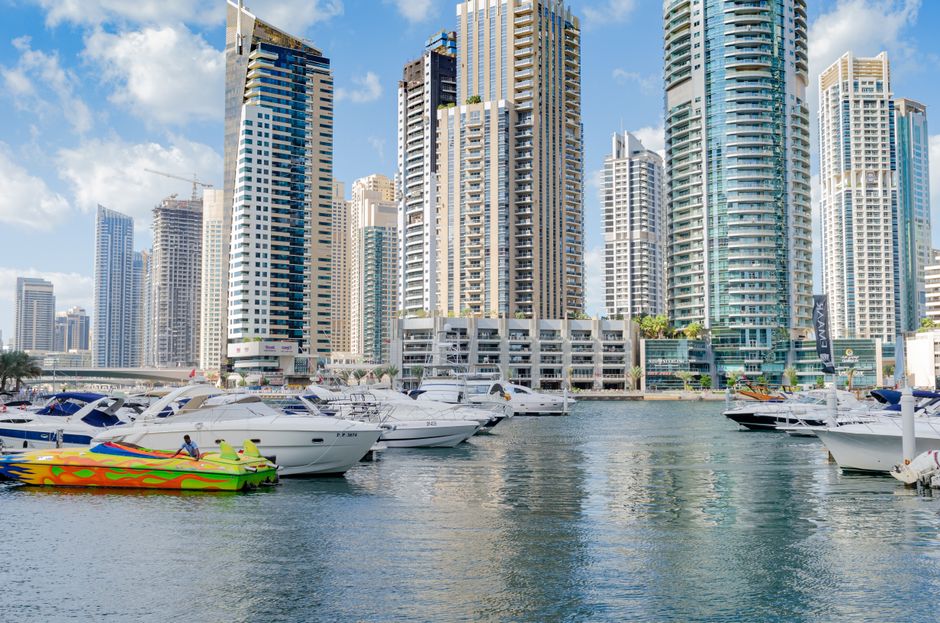
Dubai's property approval pipeline has rarely looked busier. From the waterfront extensions along Dubai Marina to the ambitious mixed-use zones emerging in Sobha Hartland and the latest green-field projects in Akoya and Arabian Ranches 3, developers are racing to add supply. Yet this construction bonanza is creating starkly different realities for the two sides of the rental equation.
For landlords in established neighbourhoods like JBR and JLT, the news is sobering. New completions flooding the market—particularly in areas like Creek Harbour and Dubai South—are introducing modern amenities and competitive pricing that older stock struggles to match. A two-bedroom apartment in JLT that commanded AED 110,000 annually two years ago now faces downward pressure, with comparable new units in nearby developments offering similar layouts at AED 95,000–100,000. Landlords are being forced to modernise, reduce expectations, or accept longer vacancy periods.
The picture brightens considerably for those developing or holding land in emerging zones. The approvals machinery has accelerated for projects in Damac Hills 2, Emaar South, and the sprawling communities south of Arabian Ranches. These developments, targeting mid-market tenants—professionals on 10-year golden visas and young families—are commanding healthy rental yields of 5–6 percent, well above older, fully-stabilised neighbourhoods. New units here often rent 10–15 percent above comparable older stock, reflecting modern finishes, integrated amenities, and proximity to fresh commercial hubs.
Tenants, however, are caught in a squeeze. While new developments offer choice and modern living standards, the overall rental market hasn't softened meaningfully. Average Dubai rents hover around AED 1,600 per square foot, and new construction targets middle-income earners directly, pricing out budget-conscious renters. A studio in a new Emaar development in Dubai South, for instance, now starts at AED 35,000 annually—steep for many service-sector workers and younger professionals.
The regulatory push for density and mixed-use development—evident in recent approvals along the Dubai Canal, near Expo City, and the Deira Waterfront corridor—suggests this bifurcation will deepen. New stock will continue favouring developers and early-stage landlords, while traditional rental neighbourhoods face adjustment. For tenants without flexibility on budget or location, the expanding construction pipeline offers hope of eventual equilibrium, though that relief may not arrive quickly enough for those already stretched.
The rental market, in short, is being rewritten by bricks and steel—benefiting some stakeholders far more than others.
This article was compiled by AI from the sources linked above and screened before publishing. See our editorial standards.
How does this story make you feel?
Spread the word
About this article
Published by The Daily Dubai
Daily brief
Free, in your inbox before 7am. Weekdays.
More in Property