Dubai's yield reality check: What investor returns ...
Despite flat price growth, mid-market neighbourhoods continue delivering double-digit rental yields—but geography is everything.
Despite flat price growth, mid-market neighbourhoods continue delivering double-digit rental yields—but geography is everything.
Dubai's property market is telling two very different stories depending on where you buy. While headline prices have stalled around the AED 1,600 per square foot citywide average, investor returns paint a more nuanced picture that explains why capital continues flowing into selective pockets of the emirate.
The numbers are compelling in mid-range zones. Jumeirah Village Circle and Jumeirah Lake Towers—traditionally the stalwarts of buy-to-rent strategies—are still generating yields exceeding 7 per cent. A one-bedroom apartment in JVC renting for AED 45,000 annually on a AED 600,000 purchase price delivers exactly that kind of return. Compare that to global benchmarks: London averages 3 per cent, Sydney 4 per cent. By international standards, Dubai's mid-market remains exceptional value for yield-focused investors.
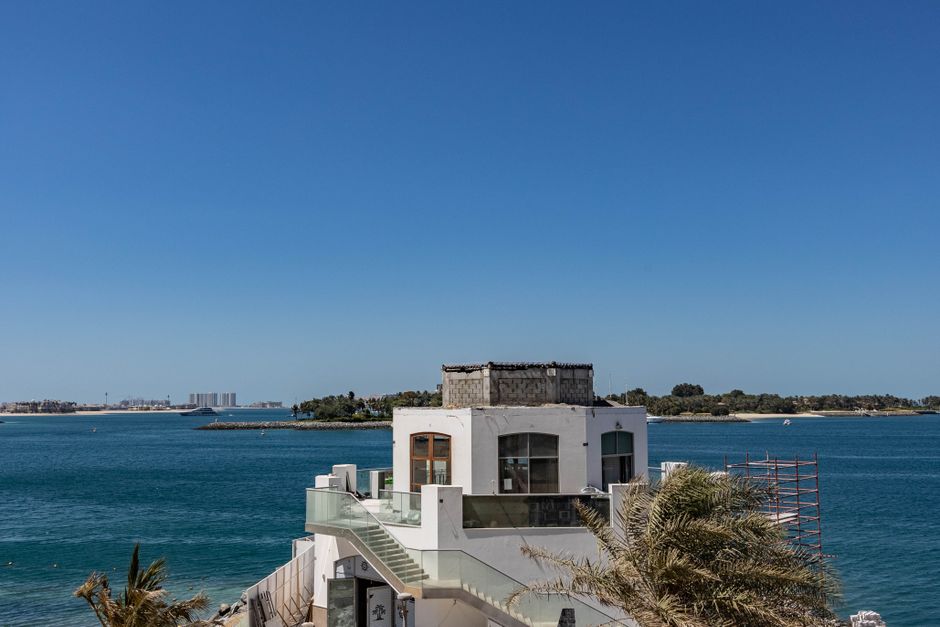
But the luxury segment tells a different tale. Downtown Dubai and the Palm Jumeirah, where penthouses and villas command AED 3 million-plus, are seeing yields compress toward 3–4 per cent. Capital appreciation has stalled; many investors bought in 2022–23 expecting price growth that never materialised. They're now sitting on flat or slightly negative real returns when factoring in holding costs and service charges.
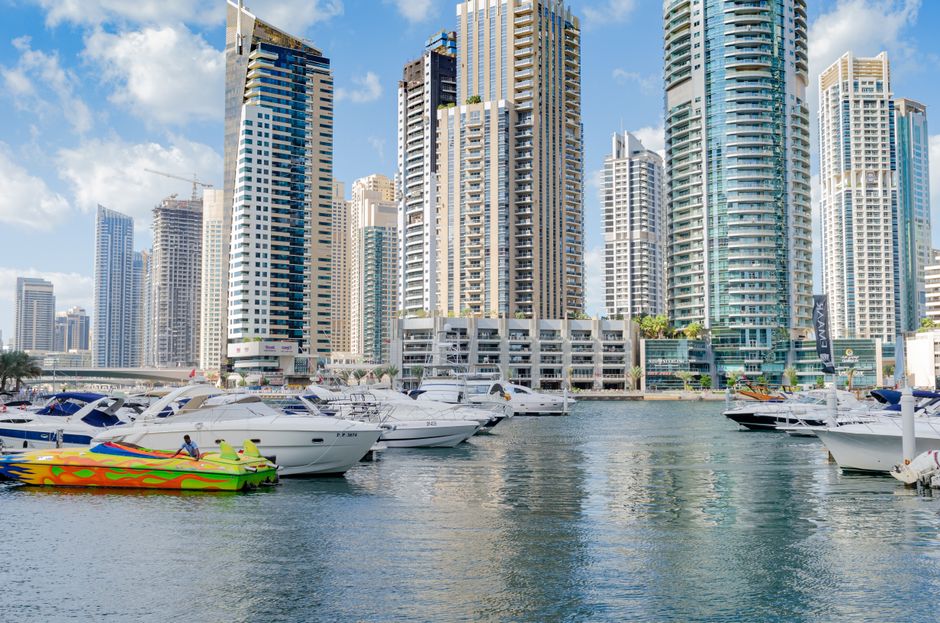
What's driving this divergence? Supply and demand dynamics at opposite ends of the market. JBR's waterfront apartments remain migration hotspots for corporate expats—families rotating through Dubai on three-year contracts fuelling predictable rental demand. Meanwhile, luxury stock has multiplied faster than the ultra-high-net-worth buyer pool willing to relocate permanently. Premium buyers are increasingly viewing Dubai property as a wealth store rather than an income generator.
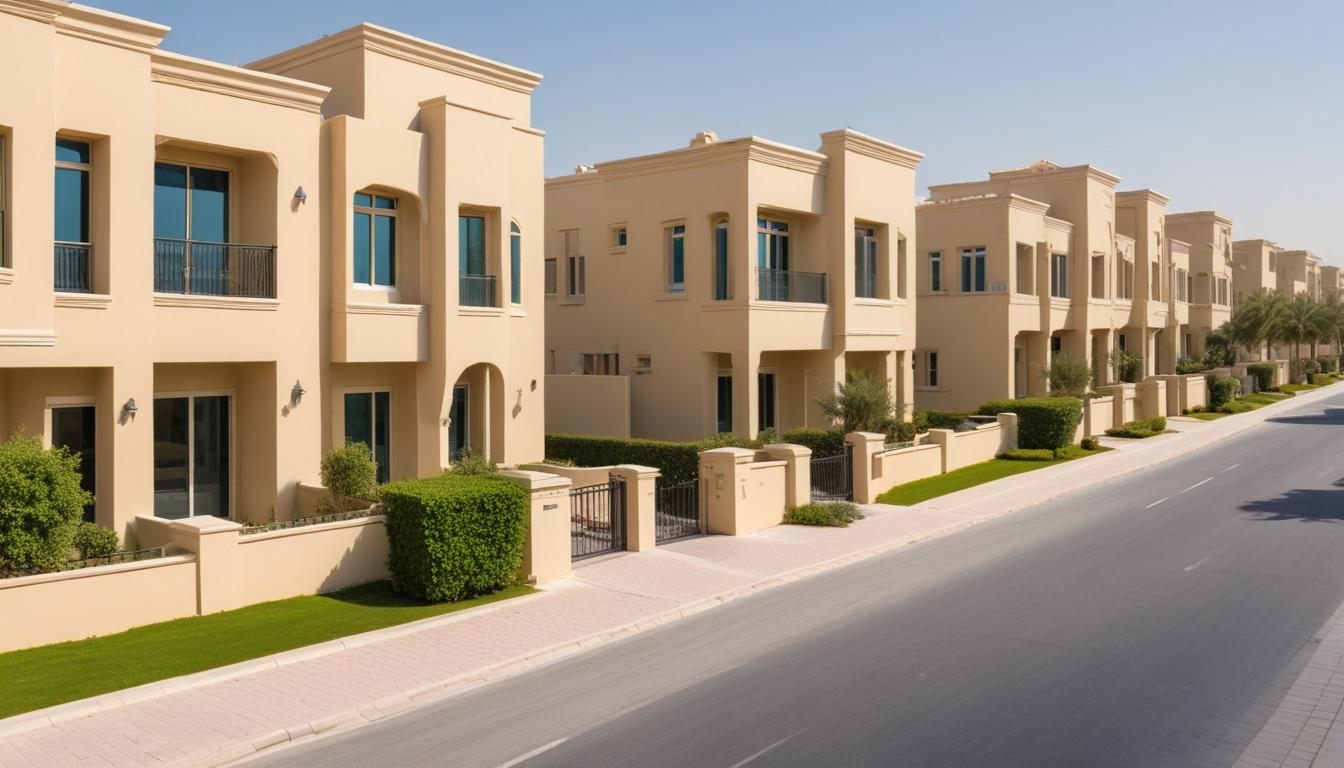
The golden visa scheme deserves credit for stabilising mid-market demand. Three-year residency visas issued since 2023 have created a consistent tenant base in communities like Arabian Ranches and Dubai Sports City, where yields hover between 5.5 and 6.5 per cent. New residents need homes immediately; landlords benefit from steady, professional-grade tenants.
Interest rates and regulatory costs matter more than ever. A property investor's true yield must account for mortgage servicing, DEWA bills, maintenance, and agency fees—often totalling 1.5 per cent of annual rental income. After stripping those out, a headline 7 per cent yield becomes 5.5 per cent net.
The takeaway: Dubai's investment case in mid-2026 isn't about price appreciation. It's about predictable cash flow in specific neighbourhoods where rental demand remains inelastic. Investors chasing luxury or speculative upside are learning an expensive lesson.
This article was compiled by AI from the sources linked above and screened before publishing. See our editorial standards.
How does this story make you feel?
Spread the word
About this article
Published by The Daily Dubai
Daily brief
Free, in your inbox before 7am. Weekdays.
More in Property