The Numbers Game: What Investor Yields Really Show About Dubai's Property Market
As purchase prices climb, rental returns tell a starkly different story—and savvy investors are recalibrating their strategy.
As purchase prices climb, rental returns tell a starkly different story—and savvy investors are recalibrating their strategy.

Dubai's property market has defied gravity for three consecutive years, with average prices now sitting at AED 1,600 per square foot across the emirate. Yet beneath the headline-grabbing transactions and crane-filled skylines, investor yields have compressed into territory that demands serious scrutiny.
The yield compression is most acute in trophy addresses. Palm Jumeirah and Downtown Dubai—where apartments routinely fetch AED 2 million and above—now deliver gross rental yields between 2.5 and 3.2 percent. A AED 3 million penthouse on the Palm might generate AED 90,000 annually in rent. The math, for growth-chasing investors, remains compelling. But for yield-focused portfolios, it's increasingly thin.
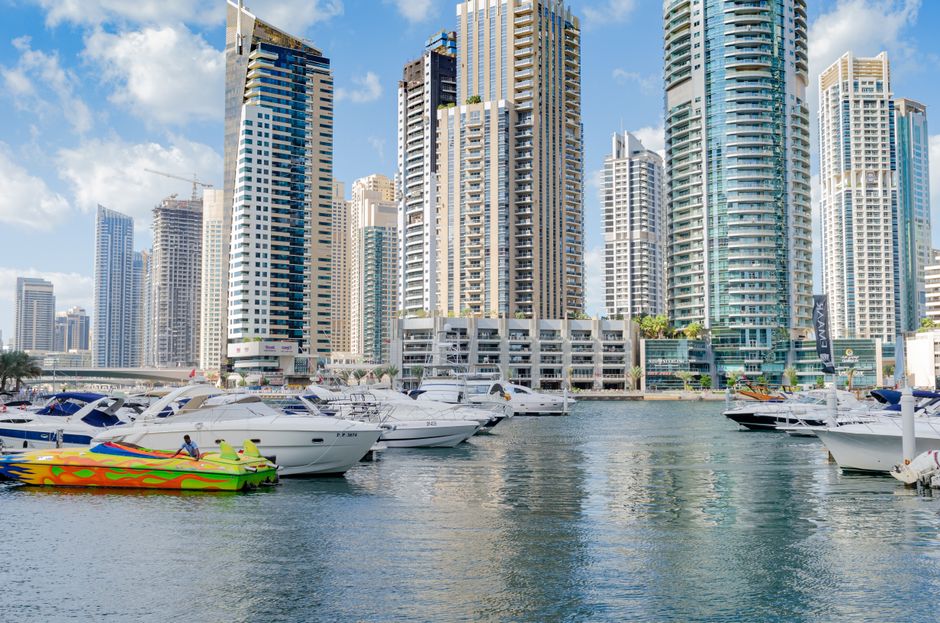
The mid-market tells a different story. Jumeirah Beach Residence, JBR, where two-bedroom units hover around AED 1.2 to 1.4 million, continues to attract investors hunting 4 to 5 percent returns. Waterfront supply is finite; tourism and expatriate demand remains sticky. Similarly, Jumeirah Lake Towers and JVC—the traditional engines of rental income—still yield between 4 and 5.5 percent, though prices have risen 12 to 15 percent year-on-year.
What's changed is buyer composition. The 10-year golden visa programme has introduced a cohort of long-term owner-occupiers, fundamentally altering demand. These investors aren't sweating yields; they're buying residency, stability, and geographic diversification. That dynamic has pushed prices upward while keeping rents tethered to historical norms—a classic affordability squeeze.
For traditional buy-to-let investors, the picture is sobering. A AED 1.5 million apartment in International City might still yield 5.5 to 6 percent—respectable returns—but capital appreciation has flatlined. Downtown or the Palm? Capital gains remain the thesis, not monthly cashflow. The risk-adjusted return, after accounting for transaction costs, maintenance, and vacancy periods, narrows considerably.
Market data from the last six months shows transaction volumes remain robust, but the composition has shifted decisively toward end-users and visa-driven buyers. Rental demand has grown, but not fast enough to arrest yield compression in prime locations.
Smart investors are now bifurcating strategy: capturing appreciation plays in constrained-supply zones like Beachfront communities and the Palm, while hunting yields in emerging micro-markets along the Dubai Hills, Arabian Ranches, and secondary JLT districts. The days of dual wins—capital growth plus strong yields—appear to be behind us. The numbers, as always, are the honest broker.
This article was compiled by AI from the sources linked above and screened before publishing. See our editorial standards.
How does this story make you feel?
Spread the word
About this article
Published by The Daily Dubai
Daily brief
Free, in your inbox before 7am. Weekdays.
More in Property