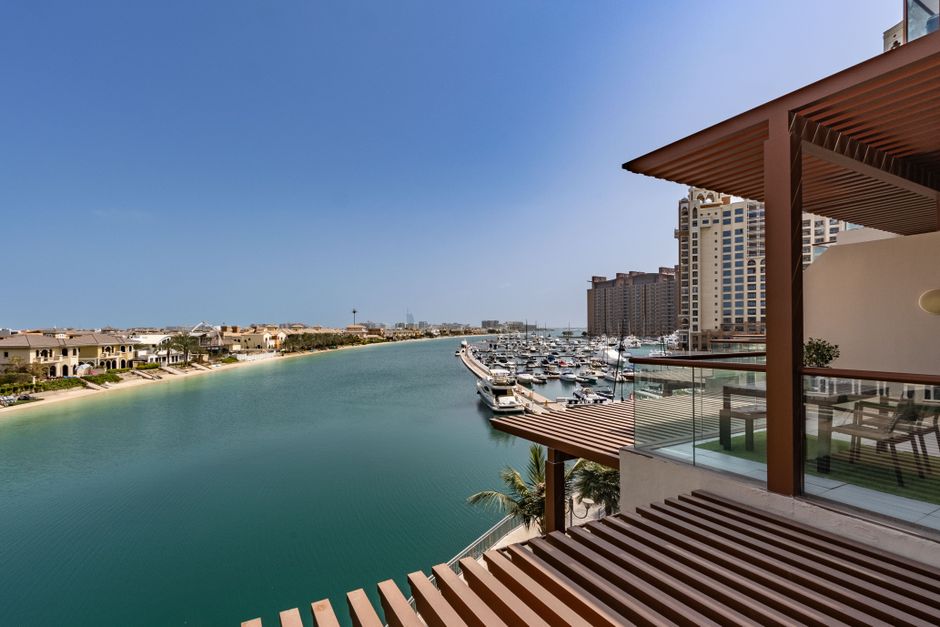
Dubai's luxury rental market is experiencing a sharp recalibration. While the city's broader property landscape has remained resilient—buoyed by the ten-year golden visa programme and sustained investor appetite—the premium segment tells a more nuanced story, one where landlords and tenants find themselves increasingly misaligned.
Properties in Downtown Dubai and Palm Jumeirah, historically the city's most sought-after addresses, are sitting vacant longer than at any point in the past five years. Luxury penthouses that once commanded 5% annual yields are now struggling to attract tenants willing to pay AED 250,000 to AED 400,000 annually for three-bedroom units. The average lease renewal cycle has extended from 45 days to nearly 120 days—a critical shift for landlords reliant on consistent cash flow.
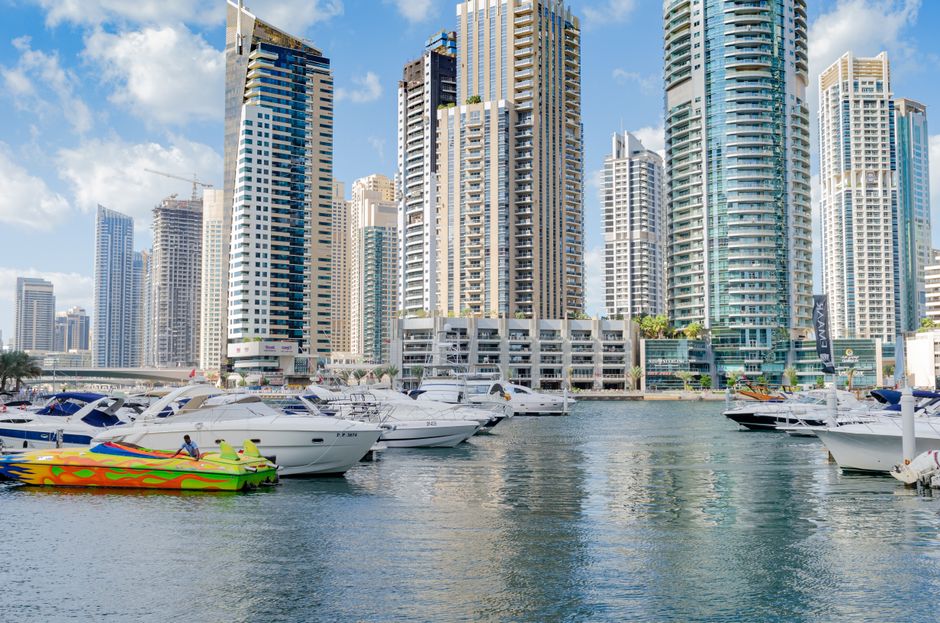
The squeeze is real. New supply in DAMAC-developed towers along the Sheikh Zayed Road corridor and the continued completion of ultra-premium projects in the Marina has fragmented tenant demand. Simultaneously, expatriate families—typically the anchor demographic for high-end rentals—are showing greater price sensitivity. Many are relocating to emerging alternatives like Jumeirah Golf Estates or opting for mid-range communities such as JVC and JLT, where rents remain stable and justify the commute trade-off.
"Landlords are being forced to compete on amenities, not just address," explains the rental dynamics within residential towers. Those offering flexible lease terms, furnished options, or bundled services—gym access, concierge, parking—are filling units. Traditional, unfurnished luxury offerings languish.
For tenants, this represents genuine leverage. Negotiation is now expected rather than exceptional. Rent reductions of 10-15% are commonplace; landlords are accepting shorter lease periods to secure occupancy. The power dynamic has inverted entirely from 2023, when tenant demand outstripped supply.
Transaction data supports this shift. Properties across Downtown's high-rise clusters show extended holding periods before securing tenancy, while secondary luxury markets—Emaar Beachfront, Dubai Hills Estate—report stronger rental absorption and stickier lease renewals.
The implications extend beyond individual transactions. Dubai's premium segment, long a bellwether for economic confidence, now signals caution. Landlords are reassessing their portfolio composition; some are converting rental units back to sale-ready stock, banking on capital appreciation rather than rental yields.
As Dubai enters the latter half of 2026, the luxury rental narrative remains one of correction—not collapse, but meaningful adjustment. For those willing to adapt pricing and expectations, opportunity persists. For holdouts clinging to pre-2024 rental benchmarks, the vacancy calendar continues to grow.
This article was compiled by AI from the sources linked above and screened before publishing. See our editorial standards.