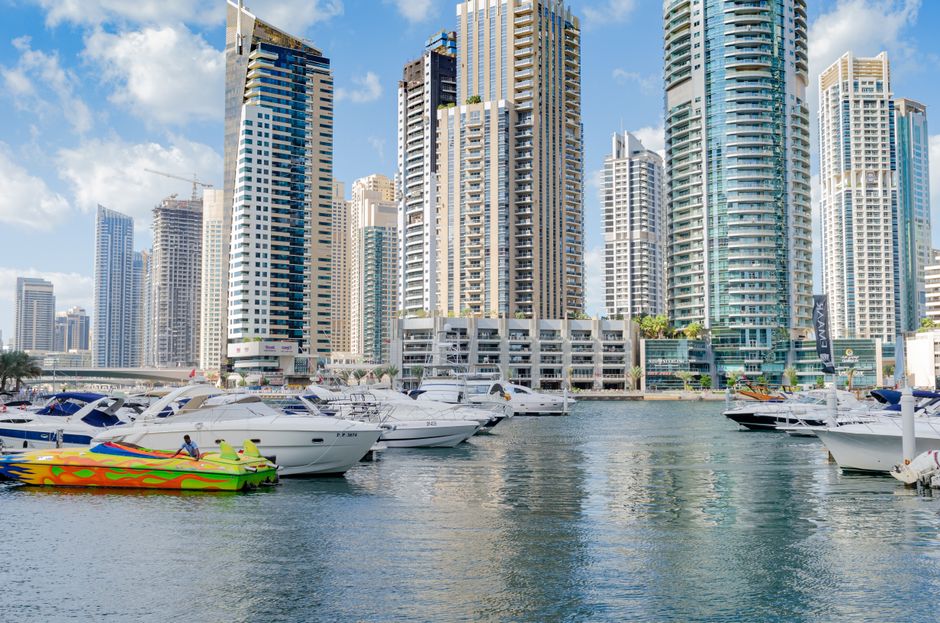
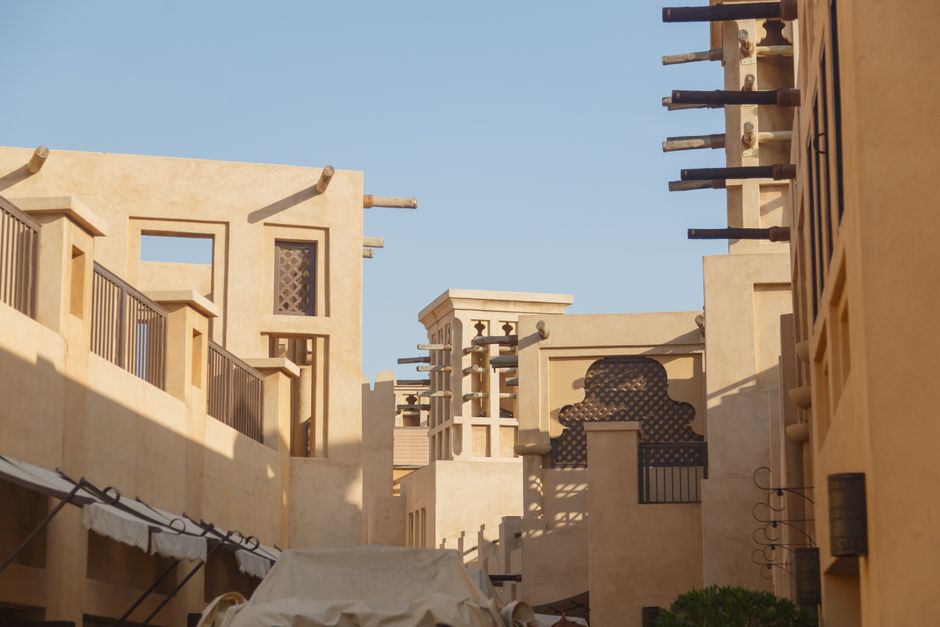
Dubai's residential market has entered a curious inflection point. While the emirate's 10-year golden visa programme continues to unlock demand from global wealth-seekers, a parallel surge in new supply across emerging communities is fragmenting price growth in ways that defy the old Downtown-centric narrative.
The numbers tell a nuanced story. At AED 1,600 per square foot citywide, the headline rate masks wild disparities. Downtown Dubai and Palm Jumeirah luxury towers command AED 2,100–2,800/sqft, their scarcity and iconic status non-negotiable. Yet just across Sheikh Zayed Road, JLT and JVC stabilised around AED 1,200–1,400/sqft, offering yield-hungry investors a 4.5–5.2% gross rental return that increasingly attracts long-term residents securing visas.
The golden visa effect cannot be overstated. Applicants seeking five- and ten-year permits have fundamentally rewritten buyer psychology. Rather than treating property as a short-term flip, these residents now anchor themselves. This shift favours larger layouts and family-friendly locations—explaining brisk uptake in Arabian Ranches III, Damac Hills, and the waterfront JBR neighbourhoods, where AED 1,400–1,600/sqft feels more palatable for primary residences.
New supply, however, is the hidden pressure valve. Communities like Akoya Oxygen and Ras Al Khor have released thousands of units priced AED 1,100–1,350/sqft—undercutting established middle-market hubs. Developers are also flooding the market with affordable apartments (AED 900–1,150/sqft) in periphery zones near Dubai South and Al Furjan, capturing first-time buyers and younger visa applicants whom older projects couldn't reach.
What buyers must grasp now: location arbitrage is collapsing. The gap between a JVC apartment and a nascent community offering similar finishes has narrowed to 10–15%, eroding the premium once enjoyed by established neighbourhoods. Renters face inverse pressure—new supply has flattened rental growth, making investment yields flatter than they were three years ago.
For end-users, the influx creates opportunity. First-time buyers exploring Dubai's residential ladder should benchmark against peers in emerging zones before anchoring to premium addresses. Investors seeking yield must weigh rental saturation in JBR and JLT against construction risk in emerging pockets. And golden visa applicants planning decade-long stays would be wise to prioritise location fundamentals—transport links, school proximity, retail amenity—over price momentum, which may not persist as supply stabilises.
The 2026 market rewards informed decision-making over speculation. Dubai's housing story isn't one of uniform growth anymore; it's one of winners and laggards, separated by clarity about what you're buying and why.
This article was compiled by AI from the sources linked above and screened before publishing. See our editorial standards.