First-Time Buyers' Playbook: Navigating Dubai's Market Without Getting Lost
With golden visa demand reshaping neighbourhoods from JVC to Downtown, here's how newcomers can secure their foothold in one of the world's fastest-moving property markets.
With golden visa demand reshaping neighbourhoods from JVC to Downtown, here's how newcomers can secure their foothold in one of the world's fastest-moving property markets.
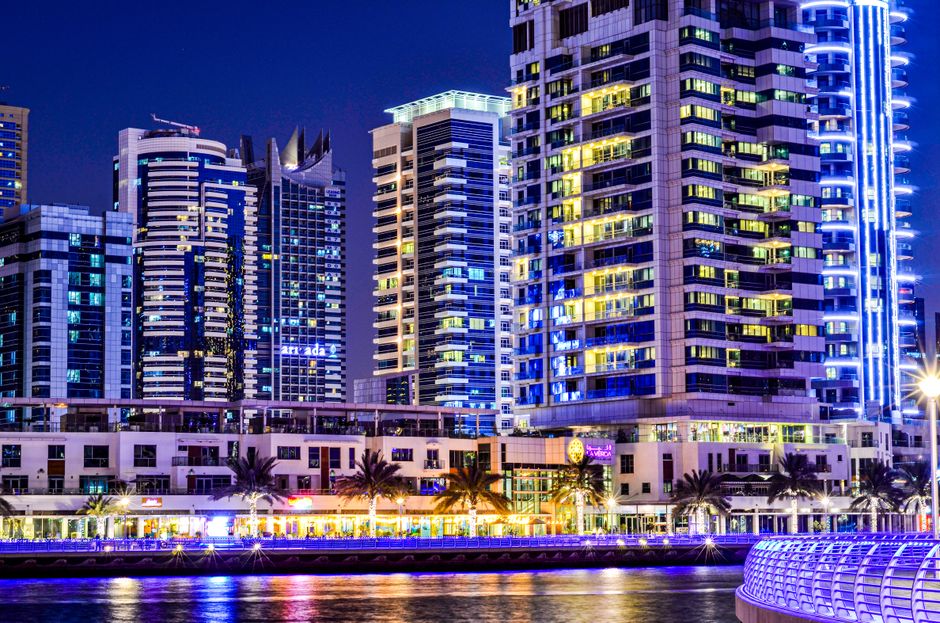
Dubai's property market moves at breakneck speed, and first-time buyers often find themselves racing against both rising prices and their own uncertainty. With the average price sitting around AED 1,600 per square foot, understanding your options—and your finances—has never been more critical.
The 10-year golden visa scheme has fundamentally changed Dubai's buyer demographic. Investor families are now competing alongside owner-occupiers, pushing prices upward across every segment. But opportunity still exists if you know where to look and what to ask for.
Start with realistic neighbourhood mapping. Downtown Dubai and Palm Jumeirah remain luxury territory, with units regularly exceeding AED 3,000 per square foot. For first-timers, JVC (Jumeirah Village Circle) and JLT (Jumeirah Lake Towers) offer more measured entry points, with yields hovering around 4-5 percent annually—attractive for those balancing investment with livability. JBR's waterfront appeal continues to command premiums, but supply is steadier here than in ultra-compact pockets like DIFC.
Finance is where most buyers stumble. UAE banks typically offer 80-85 percent loan-to-value ratios for primary residences, meaning you'll need 15-20 percent down. Your salary must support a debt-to-income ratio of 50 percent or less. Many lenders now require proof of income for three years, not two, so documentation matters. Compare offers from FAB, Emirates NBD, and DIB—rates fluctuate, but shopping around can save hundreds of thousands over a 25-year mortgage.
Grants and subsidies? Dubai doesn't offer first-time buyer rebates like some global markets, but Abu Dhabi's mortgage fee waiver (up to AED 50,000 for qualifying buyers) occasionally applies to cross-Emirate purchasers. Check with the Real Estate Regulatory Agency (RERA) website for updates; policy shifts happen quietly, and missing them costs real money.
Transaction costs hit around 4 percent of purchase price: 2 percent RERA registration, 1 percent to your broker, plus modest legal and inspection fees. Build this into your budget from day one—it's not optional, and it's often overlooked by eager buyers.
Finally, timing matters. Mid-year peaks (May-July) see higher volumes but also stiffer negotiating positions from sellers. August through October, when expatriates are abroad and locals focus on back-to-school, sometimes yields better terms.
Dubai's market rewards preparation. Know your budget, understand your neighbourhood, secure finance pre-approval, and budget for hidden costs. The difference between a rushed first purchase and a calculated one often determines whether you're building equity or chasing depreciation.
This article was compiled by AI from the sources linked above and screened before publishing. See our editorial standards.
How does this story make you feel?
Spread the word
About this article
Published by The Daily Dubai
Daily brief
Free, in your inbox before 7am. Weekdays.
More in Property