Dubai's affordable housing sector is at an inflection point. While average property prices across the emirate hover around AED 1,600 per square foot, the gap between market rates and genuinely affordable units has become harder to ignore—and understanding what's driving that gap is now critical for aspiring homeowners.
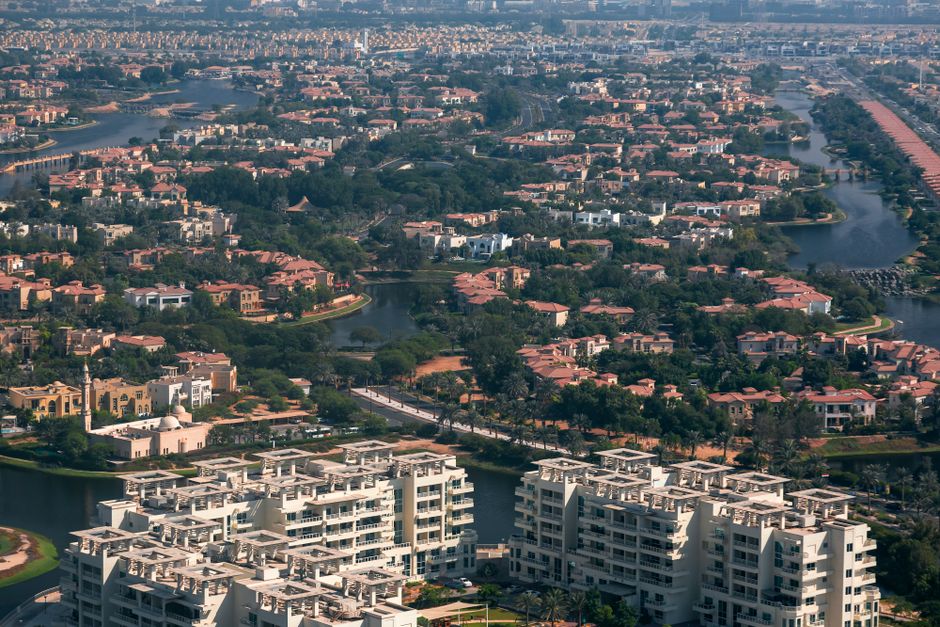
The primary culprit: regulatory compliance and construction standards. Since the Real Estate Regulatory Agency tightened building codes for social housing developments, particularly in emerging communities like Jumeirah Village Circle and the southern expansion zones near Dubai South, developers have absorbed higher material and labour costs. These expenses filter directly into unit pricing, even when projects carry the 'affordable' label. A modest two-bedroom apartment in JVC now commands AED 650,000–750,000—a significant jump from pre-2025 benchmarks.
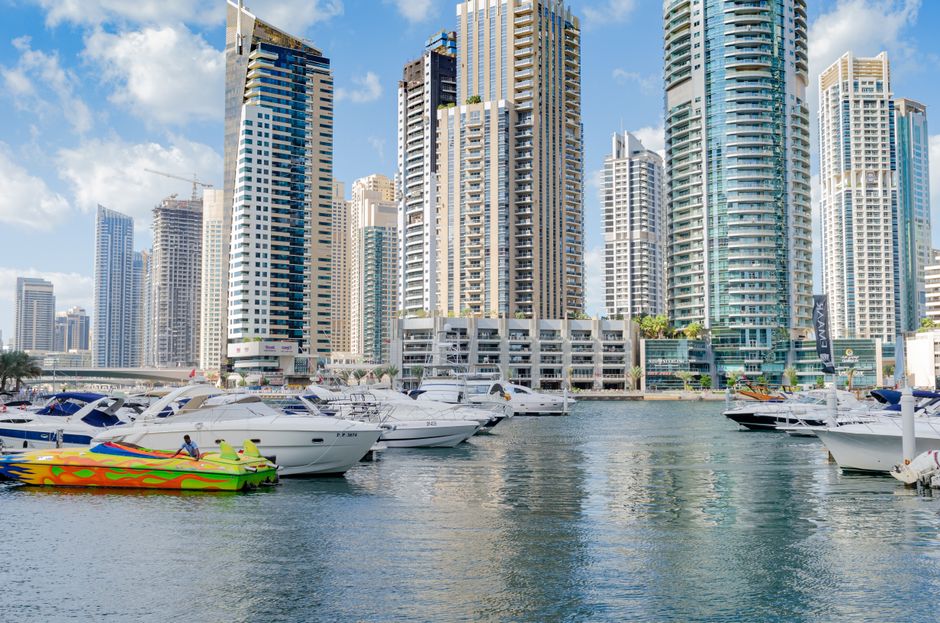
Land acquisition costs tell another story. Recent Government of Dubai auctions for designated affordable housing plots have seen spirited bidding, pushing per-square-foot land prices to AED 800–1,000 in peripheral areas. Developers pass these costs along, narrowing the margin between 'affordable' developments and mid-market offerings in established neighbourhoods like Jumeirah Lake Towers and Deira waterfront precincts.
The 10-year Golden Visa programme has inadvertently inflated demand across all segments. Overseas investors seeking residency rights have competed aggressively for entry-level units, particularly in communities with established amenities—schools, healthcare, retail—that affordable housing projects now prioritise. This has pushed prices upward faster than supply can respond.
What should buyers know right now? First, 'affordable housing' no longer means basement-level pricing. Expect to budget AED 700,000–1.2 million for a family home in designated zones. Second, location matters enormously. Units near metro connectivity, like those planned for Expo City Dubai extensions, command premiums over remote developments. Third, payment plans vary wildly; scrutinise terms carefully, as some developers now front-load construction milestones differently than in previous cycles.
The Dubai Municipality's ongoing focus on delivering 40,000+ affordable units by 2030 suggests supply will improve, potentially stabilising prices by 2027–2028. But this year, first-time buyers face a compressed window: early projects offer better value, while later phases will reflect cumulative cost inflation.
The message is clear: act with eyes open. The affordability crisis isn't solved, but informed buyers—those who understand the mechanics behind pricing—remain best positioned to find genuine value in Dubai's expanding housing market.
This article was compiled by AI from the sources linked above and screened before publishing. See our editorial standards.