What Dubai's Price Data and Auction Results Are Signalling About the Market Right Now
Recent transactions across Downtown, JBR and emerging zones reveal where buyers are willing to spend—and where developers are having to adjust expectations.
Recent transactions across Downtown, JBR and emerging zones reveal where buyers are willing to spend—and where developers are having to adjust expectations.
Dubai's property market is sending mixed signals, and the data is becoming impossible to ignore. While headline figures suggest resilience—the city's average price hovering around AED 1,600 per square foot—the granular story told by actual auction results and off-market transactions reveals a market making subtle but significant corrections beneath the surface.
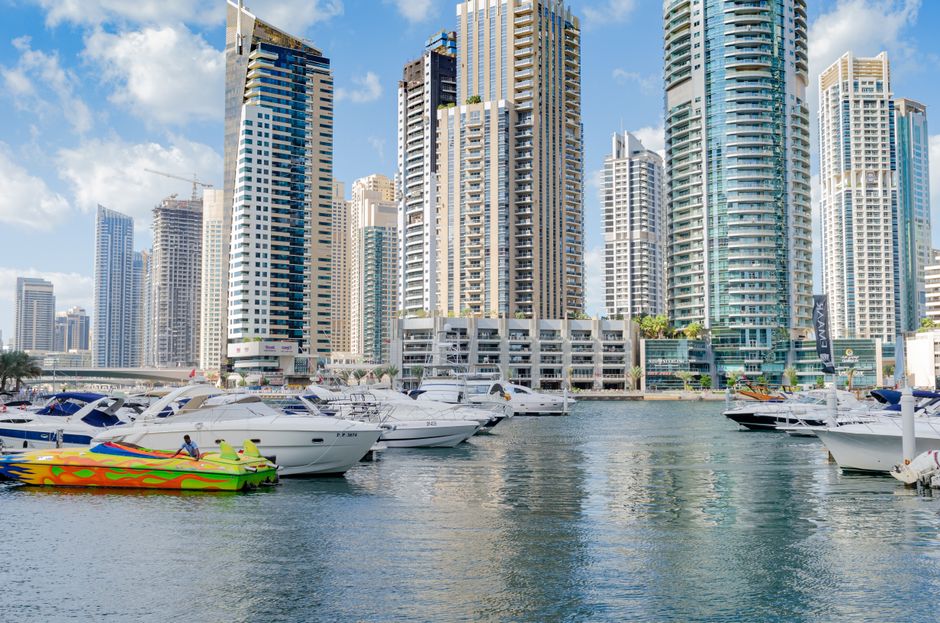
Recent sales activity in Downtown Dubai tells one story: ultra-prime residential still commands premium positioning. Land parcels in the Marina and Downtown core continue to attract institutional interest, with developers willing to bid aggressively for strategically located plots. Yet the broader auction circuit—Dubai Land Department's regular property sales—shows something different. Mid-range apartments in JVC and JLT, traditionally the city's yield-generating backbone, are moving slower and at prices that suggest buyer fatigue. Properties in the AED 800,000 to AED 1.2 million bracket, which powered the last three years of transaction volume, are taking longer to clear.
The Palm Jumeirah and Jumeirah Beach Residence (JBR) luxury waterfront sectors remain resilient—but here too, auction data reveals price discipline has returned. Villas that would have fetched AED 4m-plus in 2024 are now pricing more conservatively. This isn't collapse; it's recalibration. Buyers are present, but they're selective.
What's particularly telling is activity in secondary zones. Arabian Ranches, Damac Hills, and the developing corridors along Sheikh Zayed Road show transaction volumes holding steady, but at price points that reflect genuine affordability pressure. The 10-year golden visa initiative, which turbocharged demand from international investors and end-users seeking residency, has matured. The marginal buyer—the investor chasing momentum—has stepped back.
Auction data from the last quarter shows something critical: clearance rates on residential property have tightened. Properties listed for sale are taking 15-20% longer to move compared to 2024. This signals a market transitioning from seller-favourable to balanced. Developers holding inventory—particularly in established communities like JLT and Deira—are beginning to engage more earnestly on price.
The real message in the data isn't alarm; it's recalibration. Dubai's property market remains fundamentally sound, underpinned by population growth and economic diversification. But the days of automatic price appreciation and rapid turnover are behind us. Buyers, armed with auction results and comparative transaction data, are making rational, defensible choices about what properties are actually worth. Developers and agents who read the data will thrive; those dismissing it will struggle.
This article was compiled by AI from the sources linked above and screened before publishing. See our editorial standards.
How does this story make you feel?
Spread the word
About this article
Published by The Daily Dubai
Daily brief
Free, in your inbox before 7am. Weekdays.
More in Property